We're loading the full news article for you. This includes the article content, images, author information, and related articles.
A Nairobi widow and her young son are demanding KES 700 million from the government after the Court of Appeal declared the 2017 police shooting of businessman Bunty Shah unconstitutional, setting the stage for a landmark compensation battle.
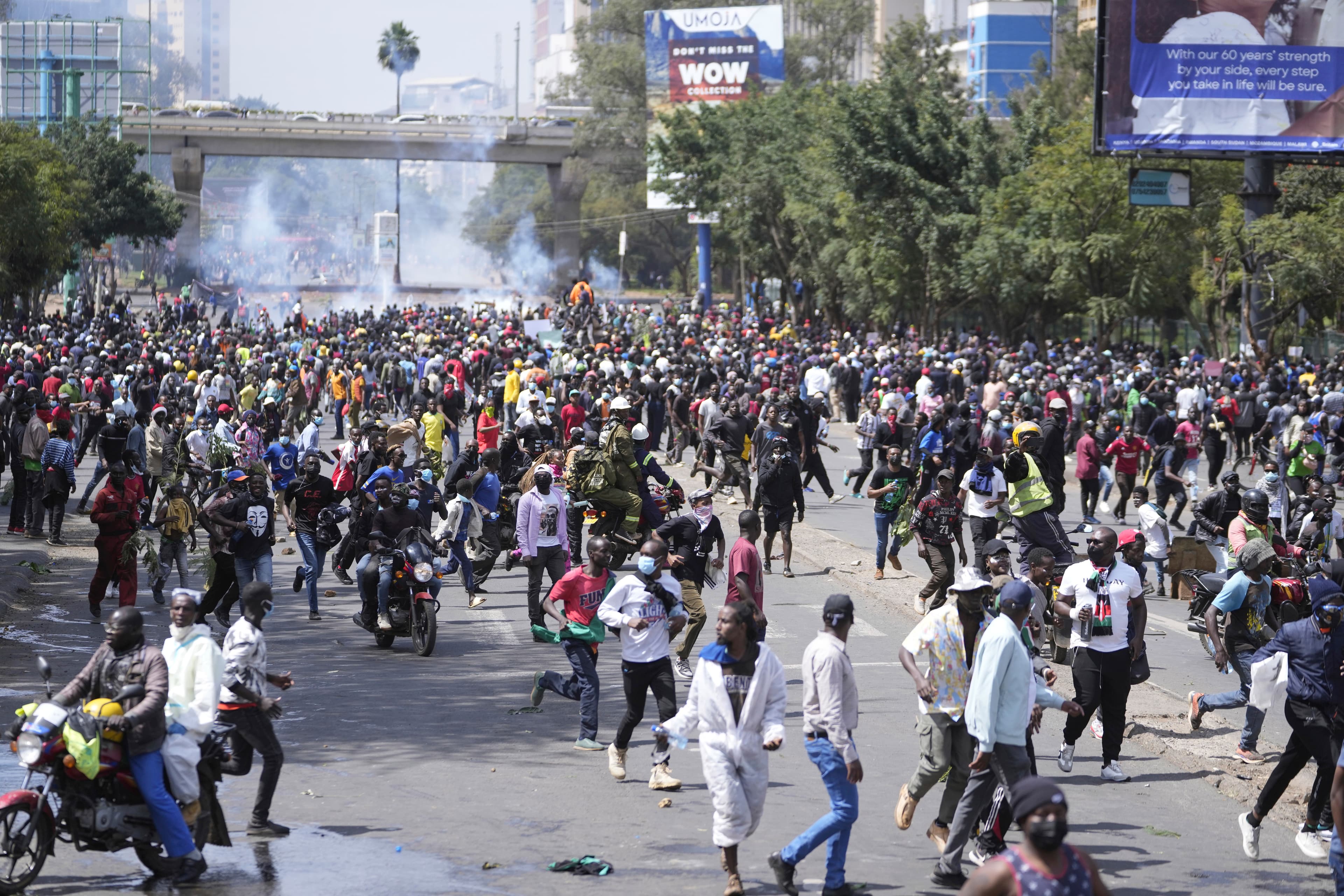
A seven-year-old boy, who was just a babe in arms when his father was killed, is now at the center of a KES 700 million (approx. $5.4 million) lawsuit against the Kenyan government. The suit follows a decisive Court of Appeal ruling that found the National Police Service unlawfully killed Westlands businessman Bunty Bharat Kumar Shah during a botched raid on his home eight years ago.
This case is more than a quest for compensation; it is a stark examination of police accountability in Kenya. The appellate court has already settled the question of liability, declaring the state responsible for Shah's death on October 21, 2017. The matter now before the High Court is not if the state should pay, but how much a life cut short is worth.
In the pre-dawn hours of that Saturday in 2017, a contingent of heavily armed police, numbering between 20 and 40 officers and supported by armoured personnel carriers, stormed the family's Westlands residence. Awakened by the commotion, Shah, 32, opened a bedroom window to see what was happening. A single shot was fired, killing him instantly.
In court filings, his widow, Anjlee Parveen Kumar Sharma, alleged that police blocked an ambulance from entering the compound and later disabled CCTV cameras. The National Police Service later issued a statement claiming the raid was based on intelligence about a planned attack and that Shah was fatally injured in an exchange of fire after an unidentified person shot at officers. However, the courts have since dismissed this narrative, ruling the killing was an unlawful execution.
The family's KES 700 million claim is a meticulously calculated sum, intended to cover the immense loss and deter future misconduct. Their lawyer, Senior Counsel Ahmednasir Abdullahi, has presented a breakdown that includes:
The State, represented by the Attorney General, has argued that the damages sought are excessive, though it has not presented alternative figures for the court's consideration. This legal battle puts a spotlight on how the nation compensates victims of state-sanctioned violence, a topic of intense public debate. While some victims of police brutality have received compensation, the amounts vary wildly, and this case could set a significant precedent.
Sharma noted that despite lodging complaints with the Independent Policing Oversight Authority (IPOA) and the Director of Public Prosecutions, no meaningful action was taken, prompting the constitutional petition. The Court of Appeal's decision to hold the state liable is a critical victory for the family, but the final chapter is yet to be written. The High Court's impending decision on the compensation amount, expected on March 20, 2026, is being watched closely by human rights advocates and families of other victims of extrajudicial killings.
As the lawyer for the family argued in court, “This government has been killing its citizens. An innocent life was taken, depriving the deceased of his constitutional right to life, which the State is duty-bound to protect.” The final sum awarded will send a powerful message about the value of that duty and the cost of its failure.
Keep the conversation in one place—threads here stay linked to the story and in the forums.
Sign in to start a discussion
Start a conversation about this story and keep it linked here.
Other hot threads
E-sports and Gaming Community in Kenya
Active 9 months ago
The Role of Technology in Modern Agriculture (AgriTech)
Active 9 months ago
Popular Recreational Activities Across Counties
Active 9 months ago
Investing in Youth Sports Development Programs
Active 9 months ago
Key figures and persons of interest featured in this article