We're loading the full news article for you. This includes the article content, images, author information, and related articles.
The government has commenced a multi-billion public-private partnership road upgrade across six counties, shielding taxpayers from further debt while boosting infrastructure.
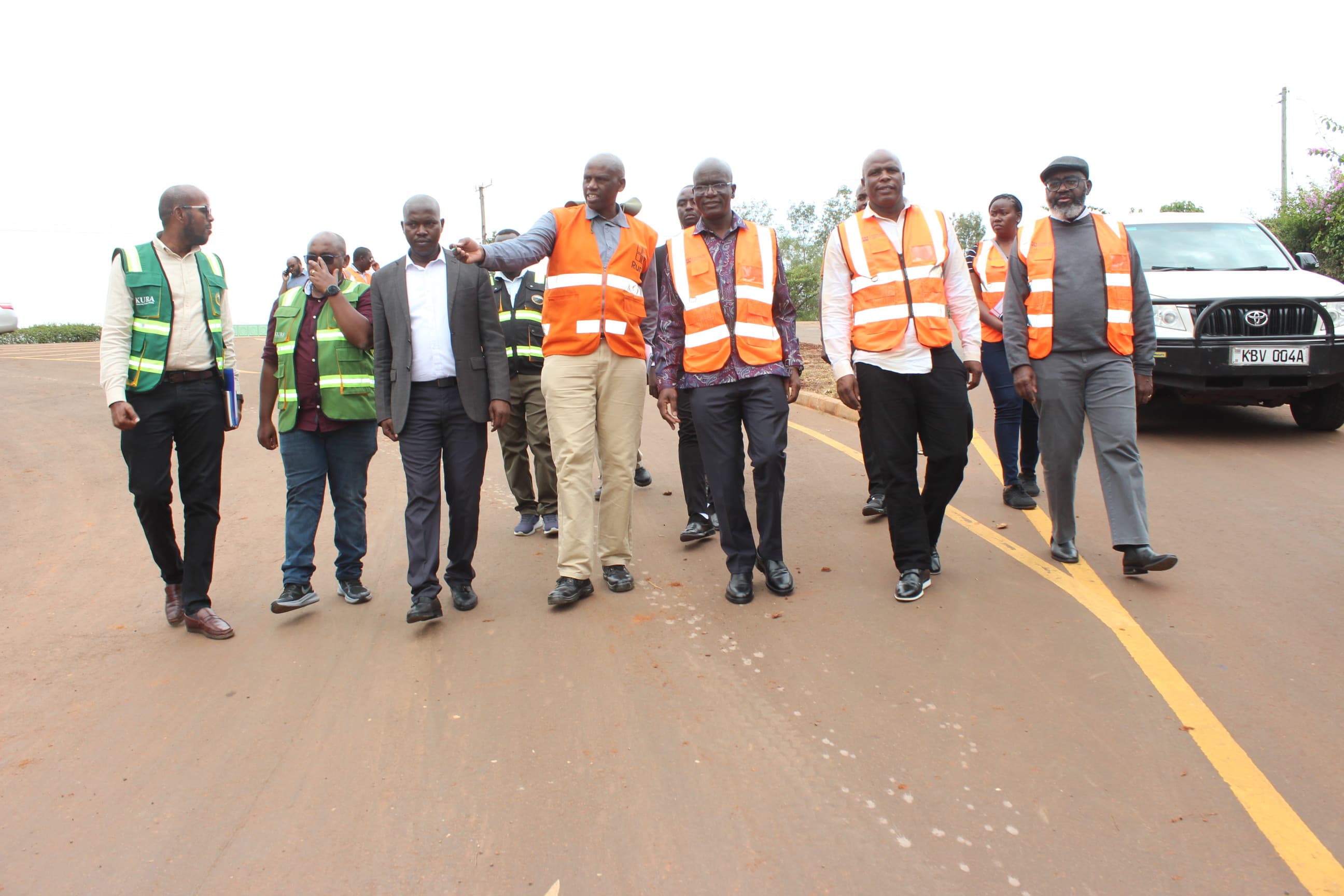
The Kenyan government has officially commenced the implementation of a monumental KES 8.09 billion (approx. $62m) infrastructure initiative aimed at tarmacking 45 kilometers of critical road networks across six counties in the Mount Kenya region.
Crucially, this transformative project is being executed under the Public-Private Partnership (PPP) framework. This strategic financing model represents a paradigm shift in how Kenya develops its infrastructure, explicitly shielding taxpayers from the immediate burdens of external borrowing and punitive tax increments.
The extensive development, officially designated as the Road Annuity Lot 15 project, spans a vast and economically vital geographical area. The meticulously planned allocation includes Nyeri (11.51km), Kirinyaga (4.1km), Murang'a (8.9km), Embu (10.06km), Tharaka Nithi (6.97km), and Laikipia (3.18km).
The Kenya Urban Roads Authority (KURA) has contracted the globally renowned private investor, Mota-Engil Kenya Company, to execute the project. Under the stringent terms of the PPP agreement, Mota-Engil assumes the comprehensive responsibility to design, build, finance, operate, and flawlessly maintain the road networks for a continuous period of 10 years.
This performance-based contract ensures absolute accountability. As emphasized during the inspection of the Ndikwe-Kiria road in Kiharu, the contractor's payments are intrinsically linked to the road's condition. If the surface, signage, or markings deteriorate below the agreed global standards, the state simply withholds payment, completely eliminating the notoriously poor workmanship of past state-funded projects.
Economic Planning Principal Secretary Boniface Makokha recently highlighted the profound macroeconomic genius of this approach. Historically, massive infrastructure projects have plunged the exchequer into deep deficits, forcing the government to either borrow heavily from international lenders or aggressively hike domestic taxes.
The PPP model circumvents this trap. By allowing the private sector to absorb the massive upfront capital costs, the state can spread the repayment over a manageable, long-term horizon. It is a sophisticated strategy that accelerates development while maintaining fiscal discipline, a balance Kenya desperately needs amid current economic pressures.
The economic impact of paving these specific 45 kilometers cannot be overstated. The Mount Kenya region is the undisputed agricultural engine of the nation, producing vast quantities of tea, coffee, dairy, and horticulture. Historically, the degradation of rural access roads during the rainy seasons has resulted in catastrophic logistical failures, leaving perishable goods rotting in the mud.
By transforming these arterial routes into all-weather, high-quality tarmac, the project ensures seamless, year-round connectivity to major urban markets and the Nairobi processing hubs. This logistical efficiency directly translates into higher profit margins for the local farmers, driving rural wealth creation and stimulating the grassroots economy.
"We have finally found a formula that builds our nation without breaking our citizens' backs; the era of debt-driven development is giving way to smart, private partnerships."
Keep the conversation in one place—threads here stay linked to the story and in the forums.
Sign in to start a discussion
Start a conversation about this story and keep it linked here.
Other hot threads
E-sports and Gaming Community in Kenya
Active 9 months ago
The Role of Technology in Modern Agriculture (AgriTech)
Active 9 months ago
Popular Recreational Activities Across Counties
Active 9 months ago
Investing in Youth Sports Development Programs
Active 9 months ago