We're loading the full news article for you. This includes the article content, images, author information, and related articles.
A boycott of President Ruto’s meeting by senior officials reveals a party at war with itself over its pact with the government and its future direction
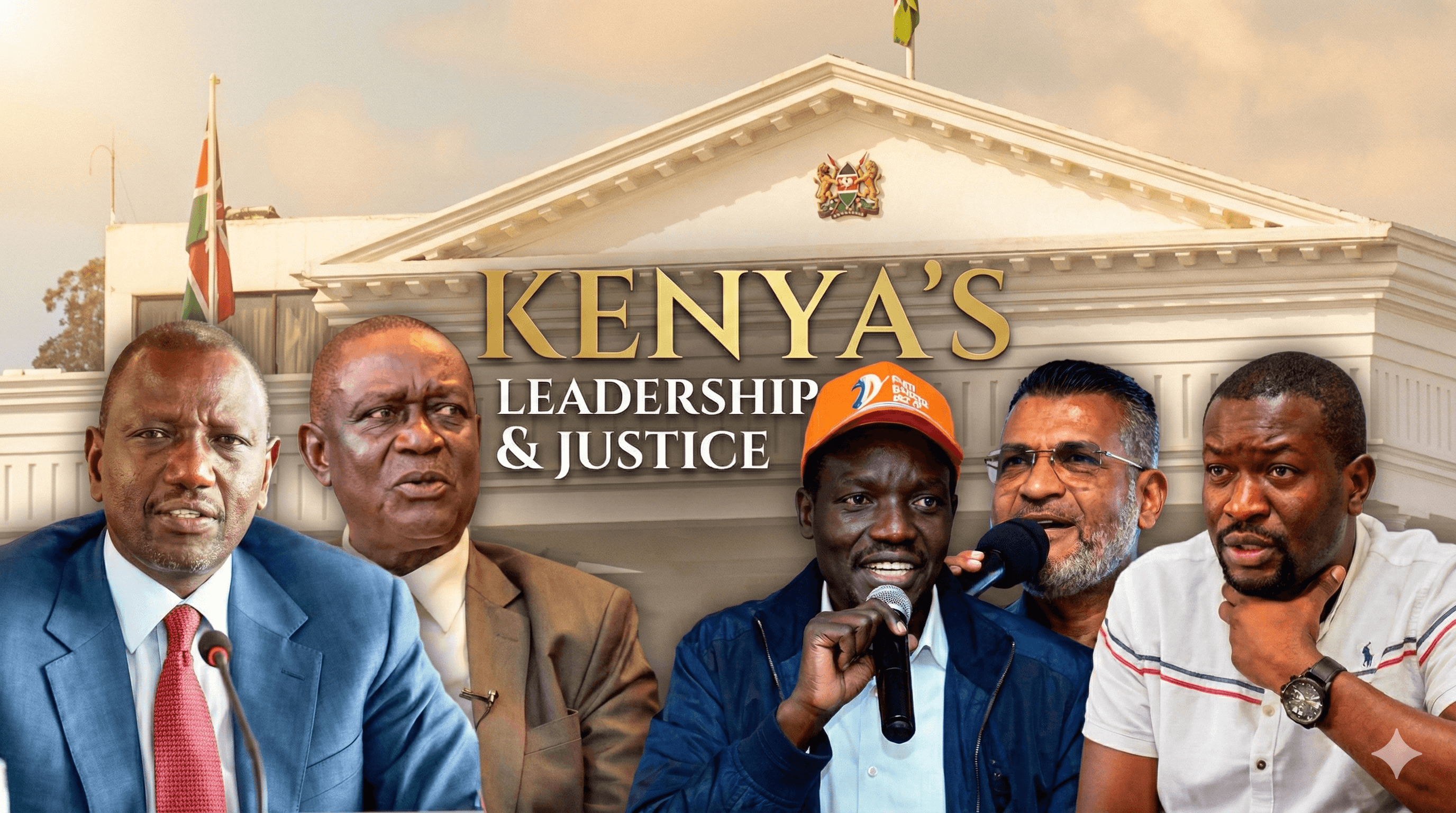
A deliberate snub of a State House meeting by senior Orange Democratic Movement (ODM) officials has thrown a harsh spotlight on the deep-seated divisions fracturing one of Kenya's largest political parties. The boycott, involving a meeting convened by President William Ruto for newly-elected MPs, was a calculated message, signaling a growing rebellion against the party's cooperation with the government.
This is more than a simple political disagreement; it is a battle for the soul of ODM. The party is grappling with its identity and future following a complex power-sharing deal with President Ruto's administration. This arrangement, insiders note, has created significant unease, cleaving the party into factions and threatening its long-held position as a formidable opposition force.
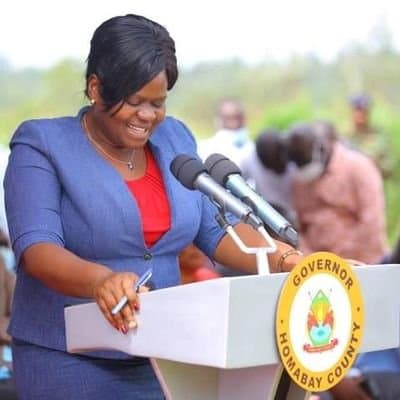
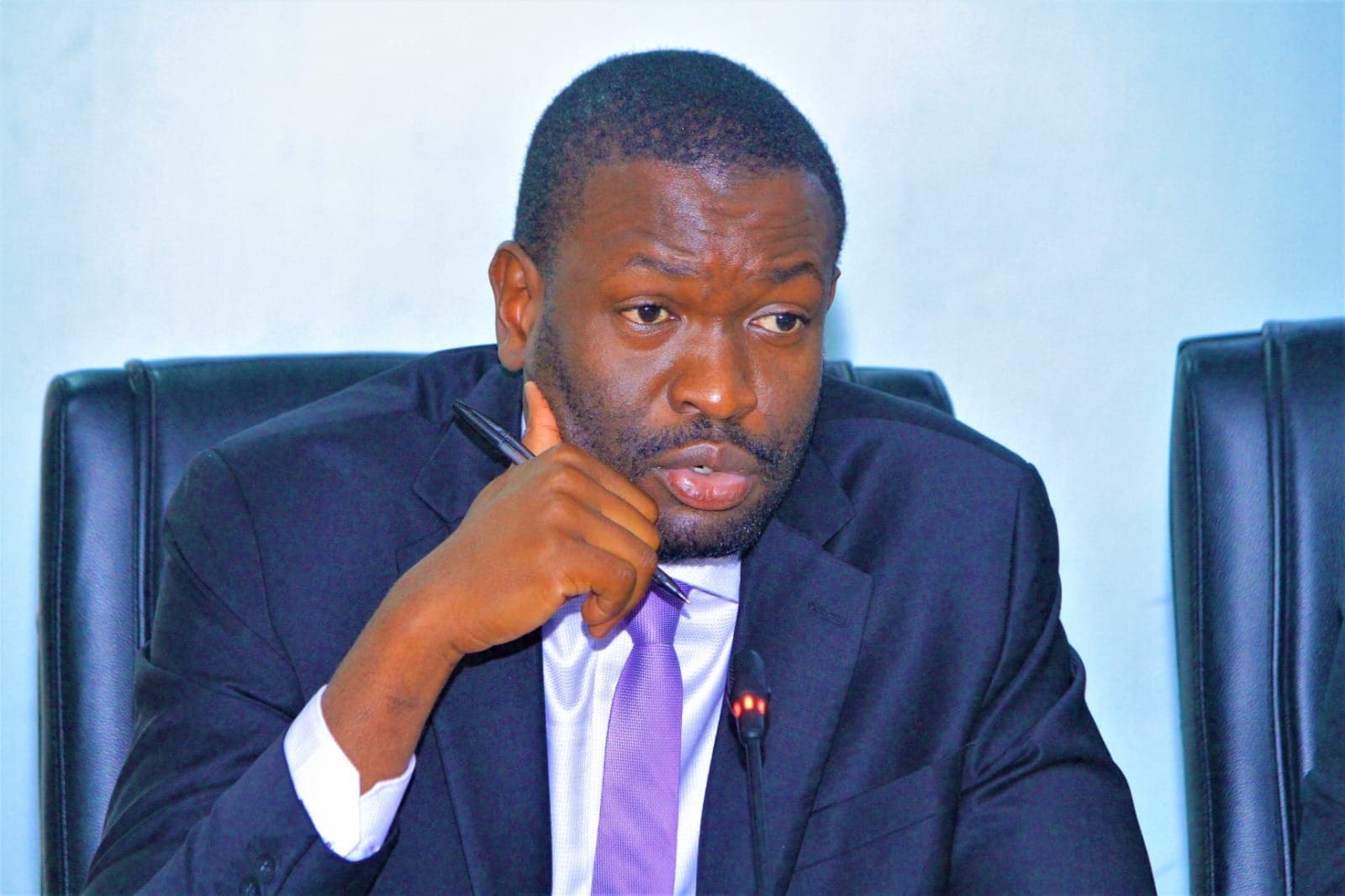
The fault lines are increasingly clear. One camp, reportedly aligned with Homa Bay Governor Gladys Wanga, supports the “broad-based government” agreement, arguing it is a pragmatic move for national stability. Opposing them is a faction, including Secretary-General Edwin Sifuna, that vehemently resists the pact, warning that it compromises ODM's credibility and betrays its supporters. This internal strife is not just ideological but also a struggle for control in a new political landscape.
The sequence of events leading to the boycott underscores the party's fragile state. Insiders point to a lack of clear protocols for engaging with State House, allowing for direct dealings with individual MPs that bypass and weaken the party's institutional structure. The silent protest by top leaders was a warning shot, demanding that ODM be treated as a unified entity, not a collection of individuals to be courted one by one.
Recent by-election fallouts have poured fuel on the fire. A bitter public feud between Governor Wanga and Interior Principal Secretary Raymond Omollo in Homa Bay has exposed the raw tensions between the established ODM leadership and influential figures aligned with the national government. Wanga accused Omollo of undermining the party by backing an independent candidate, a move seen as a direct challenge to ODM's dominance in its traditional strongholds.
These local skirmishes are symptomatic of a larger, national struggle. With the 2027 elections on the horizon, the dynamics within ODM are critical. The party's ability to navigate its internal turmoil and its relationship with the ruling administration will inevitably shape the country's political landscape. Analysts are divided on whether the party can resolve these deep-seated conflicts or if it risks a permanent fracture.
Adding to the mistrust, former Deputy President Rigathi Gachagua publicly claimed that President Ruto privately admitted he has no intention of fully implementing the National Dialogue Committee (NADCO) report, a cornerstone of the ODM-UDA cooperation agreement. This allegation has only deepened the skepticism among those in ODM who view the pact with suspicion.
As ODM stands at this crossroads, the critical question remains: can it forge a unified path forward, or will these internal power struggles lead to its implosion, fundamentally altering the balance of political power in Kenya?
Keep the conversation in one place—threads here stay linked to the story and in the forums.
Sign in to start a discussion
Start a conversation about this story and keep it linked here.
Other hot threads
E-sports and Gaming Community in Kenya
Active 9 months ago
The Role of Technology in Modern Agriculture (AgriTech)
Active 9 months ago
Popular Recreational Activities Across Counties
Active 9 months ago
Investing in Youth Sports Development Programs
Active 9 months ago
Key figures and persons of interest featured in this article