We're loading the full news article for you. This includes the article content, images, author information, and related articles.
Stanbic Holdings maintains a stable KES 13.7 billion profit for FY2025 as the lender bets on South Sudan recovery and increased dividend payouts.

Stanbic Holdings has reported a profit after tax of KES 13.7 billion for the fiscal year ended December 31, 2025, a figure that mirrors the performance of the previous year. While the headline number suggests a stagnant bottom line, the underlying financial metrics tell a story of aggressive balance sheet expansion and a successful pivot in regional strategy, particularly regarding the bank’s long-troubled operations in South Sudan.
The decision to maintain profit levels while increasing shareholder dividends to KES 22.35 per share serves as a crucial signal to the market. It indicates that despite a complex macroeconomic environment characterized by monetary policy normalization and volatile credit demand, the bank maintains robust capital adequacy and liquidity. This performance occurs against a backdrop of a shifting financial landscape, where traditional interest income is under pressure from the Central Bank of Kenya’s easing cycle.
A significant highlight of the 2025 results is the recovery of the South Sudan subsidiary, which had previously dragged on group performance. Following a 63 percent profit decline in 2024 due to intense geopolitical instability and halted oil exports, the unit has shown signs of stabilization. The subsidiary’s profit grew by 32 percent to KES 233 million, a recovery that suggests a stabilization in local operating conditions and a more effective risk management framework.
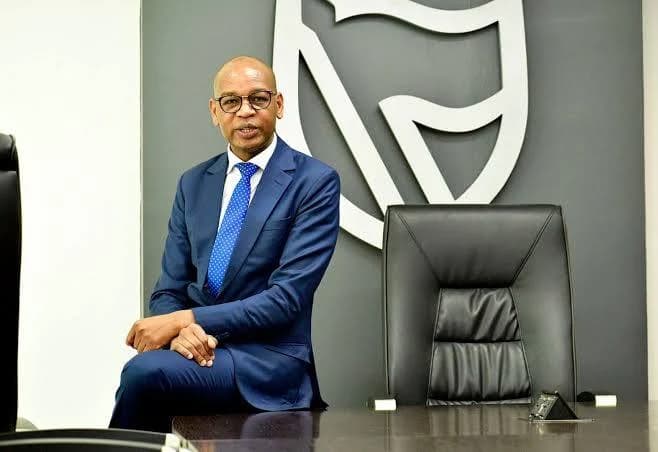
For investors, this reversal is a relief. The South Sudanese market remains one of the most complex in the region, yet it is vital for the bank’s Pan-African diversification strategy. The recovery supports the narrative championed by Group CEO Joshua Oigara, who has emphasized the need for a resilient regional presence to offset localized economic volatility.
Stanbic’s struggle to grow top-line earnings in 2025 was not a failure of business volume, but a reality of the interest rate environment. With the Central Bank of Kenya implementing a cumulative 225 basis point cut to the Central Bank Rate throughout the year, net interest income faced significant compression. Banks across the industry found it difficult to maintain margins as the cost of funds fluctuated against the lower-yielding asset environment.
To combat this, the bank shifted its focus toward non-funded income—fees, commissions, and transaction services. This pivot allowed the group to sustain its operational momentum even as interest rate spreads narrowed. Management’s decision to aggressively grow the balance sheet—pushing assets to KES 541.3 billion—reflects a long-term strategy to capture market share in a tightening competitive field.
The dividend hike to KES 22.35 per share is particularly notable. In a year where net profit growth stalled, the Board’s decision to return more value to shareholders serves as a vote of confidence in the group’s future earnings capacity. It effectively rewards the patience of investors who have watched the stock price climb significantly over the past twenty-four months.
Looking ahead, Dr. Oigara’s "reset strategy" remains the focal point for the bank. The plan centers on deepening digital integration and leveraging the wealth management segment, which saw assets under management surge to KES 5.3 billion. The institution is also navigating the integration of Environmental, Social, and Governance (ESG) principles, seeking to position itself as a sustainable financier in the East African energy and infrastructure sectors.
The challenge for Stanbic in 2026 will be maintaining this trajectory as regional economies grapple with inflationary pressures and the lingering effects of global geopolitical tensions. While the 2025 results reflect a year of transition and stability, the market will now look for evidence that the expanded loan book can generate the required yield to return the bank to double-digit profit growth.
Keep the conversation in one place—threads here stay linked to the story and in the forums.
Sign in to start a discussion
Start a conversation about this story and keep it linked here.
Other hot threads
E-sports and Gaming Community in Kenya
Active 9 months ago
The Role of Technology in Modern Agriculture (AgriTech)
Active 9 months ago
Popular Recreational Activities Across Counties
Active 9 months ago
Investing in Youth Sports Development Programs
Active 9 months ago
Key figures and persons of interest featured in this article