We're loading the full news article for you. This includes the article content, images, author information, and related articles.
As the US-Iran conflict enters its third week, the gap between Washington`s war aims and the grim reality on the ground creates a volatile global crisis.

Sixteen days of relentless precision bombing have failed to break the Islamic Republic. As US forces tighten their strategic posture, the conflict has calcified into a dangerous stalemate, forcing Washington to confront a stark, unintended reality.
The primary objectives of the United States—a curtailment of Iran's nuclear ambitions and the potential collapse of the hardline regime—appear further away than they did at the outset of hostilities. With global supply chains stuttering and the Strait of Hormuz operating under severe strain, this conflict is no longer a localized Middle Eastern issue it is an economic dragnet catching nations from Washington to Nairobi.
Washington entered this phase of the conflict with a triad of goals: the neutralization of nuclear production capabilities, the dismantling of regional proxy networks, and, ultimately, the collapse of the existing regime. However, the application of precision aerial bombardment has demonstrated a fundamental limitation in modern coercive diplomacy. While military assets have been degraded, the political cohesion of the Iranian leadership has not fractured.
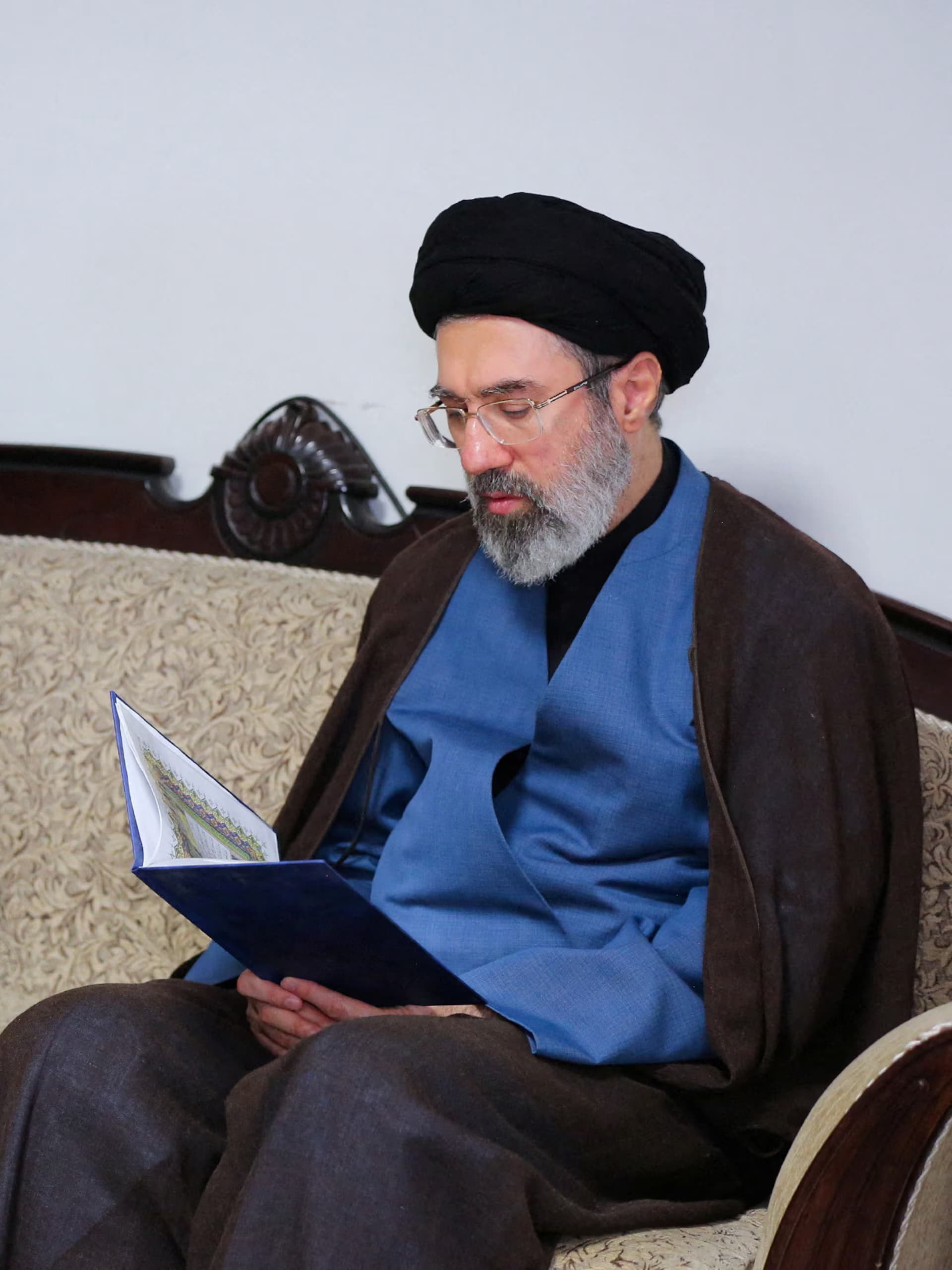
Intelligence reports and independent analysts note that the regime has utilized the current pressure to consolidate domestic support rather than weaken it. The selection of Mojtaba Khamenei as the new Supreme Leader has acted as a catalyst for hardline factions, effectively closing the door on the diplomatic openings that were tentatively being explored in Geneva. During the February mediation efforts hosted in Oman, Iran signaled a willingness to accept limits on nuclear development in exchange for sanctions relief. That window has now effectively slammed shut, replaced by a climate of nationalist defiance.
For nations across East Africa, including Kenya, the war in the Middle East is rapidly shifting from a foreign policy headline to a domestic economic emergency. The partial obstruction of the Strait of Hormuz is the primary transmission mechanism for this crisis. As roughly 20 percent of the world's total petroleum liquids pass through this narrow waterway, any disruption creates immediate, volatile upward pressure on global crude benchmarks.
In Nairobi, the ripple effects are already being felt in the logistics and manufacturing sectors. The price of refined petroleum products is a critical input cost for Kenyan transport, agriculture, and power generation. If global crude oil prices sustain their current trajectory, the impact on the local economy will be severe. The following data points highlight the specific vulnerabilities for the East African region:
Economists at the Central Bank of Kenya warn that the region lacks the strategic petroleum reserves necessary to buffer against a protracted blockage of the Strait of Hormuz. Consequently, any prolonged conflict in the Gulf will disproportionately punish developing economies that rely heavily on imported fossil fuels to drive their GDP growth.
The rise of Mojtaba Khamenei to the supreme leadership has significantly altered the US strategic calculus. Washington had hoped that by applying maximum pressure, the regime would either moderate its behavior or face a popular revolt. Instead, the transition of power has brought to the forefront a figure whose hardline credentials make a retreat from confrontation politically suicidal for the Iranian leadership.
Furthermore, the proxy networks that the US aimed to dismantle—including groups operating across Lebanon, Syria, and Yemen—remain largely intact. These organizations function as the regime's primary means of asymmetric retaliation. By maintaining their capability to threaten regional shipping and allied military bases, these proxies provide the Iranian leadership with the leverage it needs to endure the bombing campaign. The US now faces the uncomfortable reality that military force, in the absence of a viable local political alternative, may only serve to harden the very systems it seeks to destroy.
With domestic pressure mounting in Washington, President Donald Trump faces a shrinking political window. Calls from political opponents to de-escalate are growing, yet the President risks branding the campaign a failure if the conflict terminates without a clear capitulation from Tehran. The administration is now trapped between the desire for a swift, decisive victory and the tactical reality that such an outcome is statistically improbable with the current strategy.
As the drums of war continue to beat, the international community is left to contemplate the cost of a campaign that has arguably delivered the opposite of its stated aims. Stability in the region requires a diplomatic off-ramp, yet both sides remain locked in a posture where compromise is perceived as weakness. Whether this conflict ends in a brokered ceasefire or a prolonged, grinding war of attrition remains the single most important variable for global economic recovery in 2026.
Keep the conversation in one place—threads here stay linked to the story and in the forums.
Sign in to start a discussion
Start a conversation about this story and keep it linked here.
Other hot threads
E-sports and Gaming Community in Kenya
Active 10 months ago
Popular Recreational Activities Across Counties
Active 10 months ago
The Role of Technology in Modern Agriculture (AgriTech)
Active 10 months ago
Investing in Youth Sports Development Programs
Active 10 months ago
Key figures and persons of interest featured in this article