We're loading the full news article for you. This includes the article content, images, author information, and related articles.
When modern rescue missions fail, Homa Bay’s fishing communities turn to an ancient, eerie custom: hoisting the dead’s favorite clothes to guide them home.
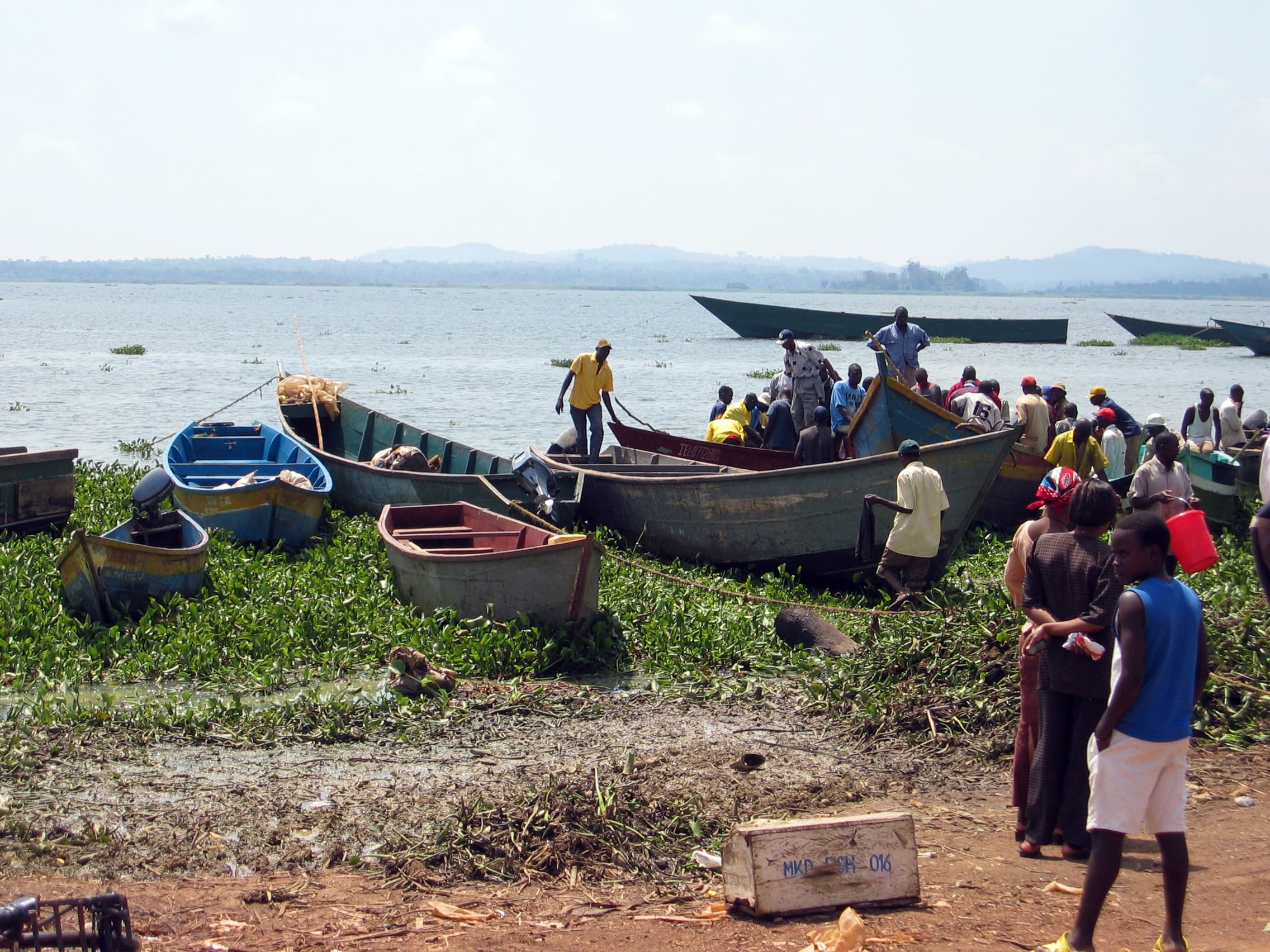
On the windswept shores of Sindo Beach, a tattered shirt flutters violently atop a bamboo pole. To the uninitiated, it looks like forgotten laundry or a makeshift scarecrow. But to the fishing communities of Homa Bay, this is a beacon. It is a desperate, spiritual GPS signal meant to guide a drowned man back to the surface.
When the dark waters of Lake Victoria swallow a fisherman and refuse to give him back, the search boats eventually run out of fuel, and the divers run out of breath. That is when the physics of rescue ends and the metaphysics of Luo tradition begins. The belief is absolute: the dead are not gone; they are merely lost, waiting for a familiar sign to show them the way home.
The ritual is born of grief and necessity. Following the recent tragedy where three fishermen perished after their boat was struck by a vessel near the Kenya-Uganda border, the community did not just rely on hooks and nets. They turned to the juogi—the spirits.
William Onditi, the Chairperson of the Suba South Beach Management Unit, explains the logic with the matter-of-fact tone of a man who has seen the lake claim too many sons. "There is a strong belief that bodies can be recovered more quickly if items that belonged to the deceased are placed in a public and visible location at the beach," Onditi noted.
The protocol is specific. The family must select an item the deceased was particularly fond of—a favorite shirt, a lucky hat, or a worn jacket. It is hoisted high on the beach, facing the vast expanse of the lake. The wind carries the scent and the sight across the water.
This practice is not merely superstition; it is a coping mechanism for a community under siege. Lake Victoria is the economic lifeblood of the region, yet it remains a treacherous workplace. According to the Lake Victoria Basin Commission, roughly 5,000 people drown in the lake annually across East Africa. For a Kenyan family, the loss of a breadwinner is a financial catastrophe, often compounded by the high cost of retrieving a body.
While the rituals provide psychological comfort, they highlight a grim reality: the lack of modern safety infrastructure. "Sometimes it takes up to four days for bodies to be retrieved," Onditi admitted. In the absence of well-equipped coast guards or sonar technology, the shirt on the pole becomes the most advanced technology available to a grieving widow.
The reliance on these rituals also underscores a dangerous gap in safety compliance. Despite government directives, many fishermen still venture out without life jackets, which cost roughly KES 2,500—a steep price for a casual laborer earning less than KES 500 a day. When a boat capsizes, the difference between a rescue and a ritual often comes down to that piece of foam.
Local elders warn that ignoring these traditions invites further misfortune, creating a complex tension between modern safety regulations and cultural adherence. Yet, as the sun sets over Rusinga Island, the silhouette of a shirt against the dying light serves as a somber reminder: on Lake Victoria, the line between the living and the dead is as thin as the water's surface.
"We do what we must," said a fisherman at Sindo, watching the waves. "The government brings laws, but the lake brings death. We must respect both."
Keep the conversation in one place—threads here stay linked to the story and in the forums.
Sign in to start a discussion
Start a conversation about this story and keep it linked here.
Other hot threads
E-sports and Gaming Community in Kenya
Active 9 months ago
The Role of Technology in Modern Agriculture (AgriTech)
Active 9 months ago
Popular Recreational Activities Across Counties
Active 9 months ago
Investing in Youth Sports Development Programs
Active 9 months ago