We're loading the full news article for you. This includes the article content, images, author information, and related articles.
Senior South African police officials face graft charges over a health tender, deepening a crisis of public trust in the national security apparatus.

The silence inside the Pretoria Magistrates Court on Wednesday stood in stark contrast to the thunderous implications of the proceedings unfolding at the bench. Twelve senior officers of the South African Police Service, once entrusted with the mantle of law enforcement, stood before the magistrate to face allegations of systematic graft, fraud, and a flagrant betrayal of public trust. The arrests, orchestrated by specialized anti-graft investigators, represent a precipitous collapse of institutional integrity, leaving the nation’s security apparatus reeling from yet another internal scandal.
This development marks a critical juncture for the South African Police Service, as the rot of corruption appears to have penetrated the very command structures responsible for safeguarding the well-being of the force itself. At stake is not merely the integrity of a single procurement contract, but the operational capability and moral standing of an entire national security institution tasked with protecting a population of over 60 million people. The arrests have ignited a firestorm of public debate regarding the efficacy of oversight mechanisms within government tender processes and the persistent culture of impunity among senior civil servants.
The core of the investigation revolves around a contract ostensibly designed to provide essential health and well-being services to police personnel. However, prosecutors allege that this contract was less about officer welfare and more about the enrichment of private actors and their complicit partners within the police hierarchy. The scheme allegedly involved the manipulation of bid evaluation processes to ensure that specific companies, including the firm Medicare24, were awarded contracts despite failing to meet the requisite criteria.
The evidentiary trail, according to the National Prosecuting Authority, points to a clear pattern of collusion between senior police leadership and external service providers. The following elements highlight the scope of the alleged illicit activity:
The failure of the bid committee to disqualify the company application, despite clear indicators of risk, demonstrates a systemic breakdown in the checks and balances intended to prevent the misappropriation of state funds. For the average South African taxpayer, this translates into millions of rand lost to corruption—funds that should have bolstered frontline policing rather than lining the pockets of those who violate the very laws they are sworn to uphold.
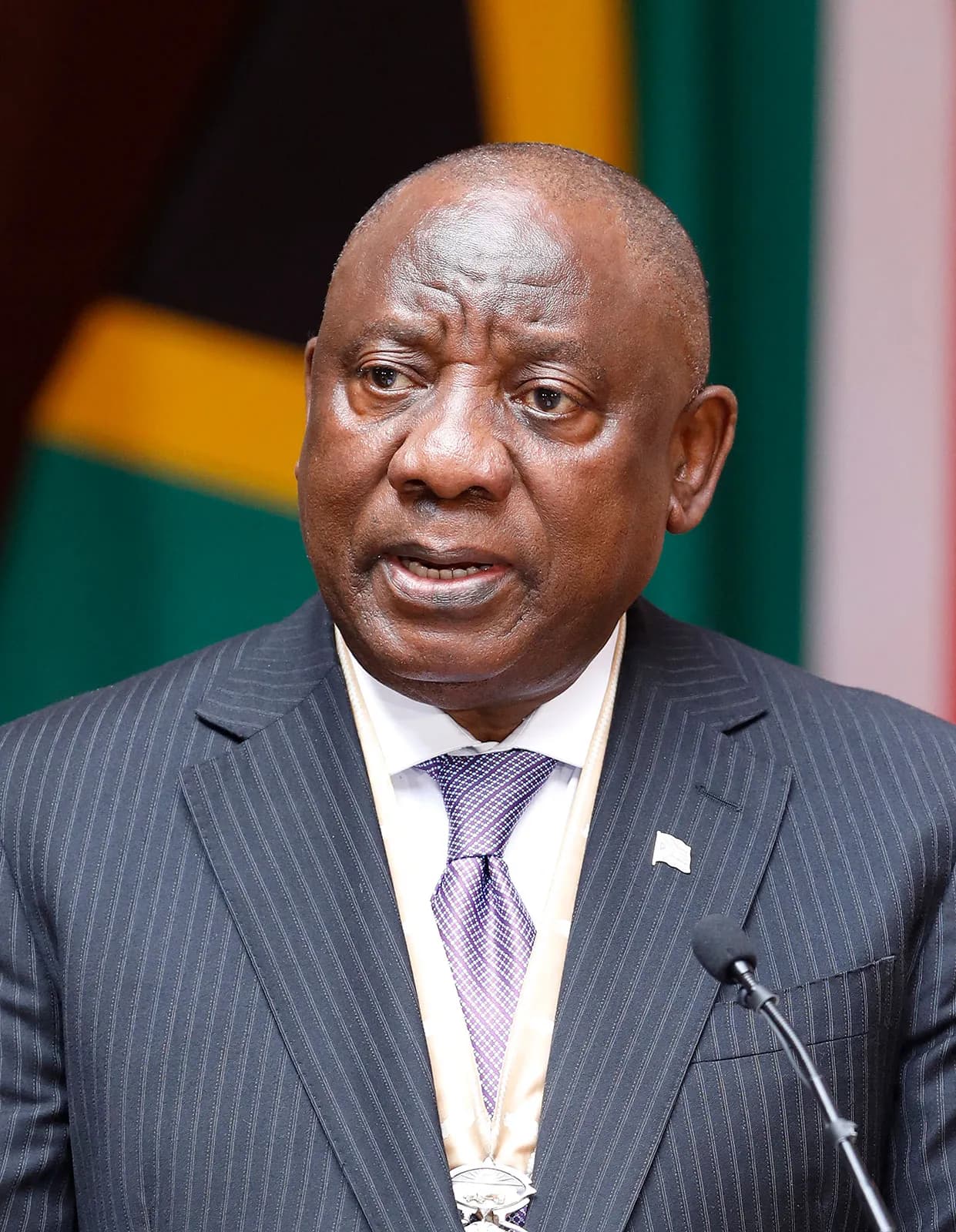
The situation escalated significantly when the National Police Commissioner, Fannie Masemola, was served with a court summons. This unprecedented move underscores the severity with which state prosecutors are approaching the case. The Commissioner is expected to appear in court next month, a development that places the entire police command structure under a microscope. This is not the first time the SAPS leadership has faced such scrutiny President Cyril Ramaphosa previously took the drastic step of suspending the Minister of Police, signaling a deep, state-wide recognition of the crisis within the force.
The implications for Masemola and his senior staff are profound. If the Commissioner is found to have had knowledge of, or involvement in, the approval of these fraudulent tenders, it would represent a catastrophic failure of leadership. Analysts at local research institutions argue that such high-level indictments are necessary to dismantle the entrenched patronage networks that have plagued the South African public sector for decades. However, they also warn that the vacuum created by these investigations could temporarily paralyze critical police administrative functions.
The challenges facing the South African Police Service are far from unique. Across the African continent, law enforcement agencies in various jurisdictions, including Kenya, have repeatedly grappled with the struggle to sanitize procurement processes and insulate security budgets from political interference and private graft. Experts in public administration often point to these recurring failures as a barrier to development, noting that when the security sector is compromised by corruption, the impact cascades through the economy.
For a reader in Nairobi, the Pretoria scandal offers a cautionary tale about the necessity of rigorous independent oversight. Procurement fraud in essential services—whether in police health, public health, or infrastructure—acts as a regressive tax on the poor, who rely most heavily on these services. When the state fails to deliver on the basics, and funds are diverted to private interests, the contract between the government and the citizen is irreparably damaged.
As the legal process unfolds, the South African public will be watching closely to see whether the judiciary can effectively hold the powerful to account. The arrests of these 12 officers are a necessary first step, but they are insufficient on their own. Institutional reform, the strengthening of independent anti-corruption bodies, and the complete overhaul of procurement evaluation standards are the only paths to restoring faith in the thin blue line.
The Pretoria Magistrates Court will remain the focal point of this national reckoning in the coming weeks. Whether this case leads to a genuine cleanup of the police service or remains an isolated incident in a broader pattern of impunity will depend on the resolve of the prosecutors and the independence of the bench. For now, the question lingering in the air is not just who will be convicted, but whether the system is capable of saving itself from the very people tasked with protecting it.
Keep the conversation in one place—threads here stay linked to the story and in the forums.
Sign in to start a discussion
Start a conversation about this story and keep it linked here.
Other hot threads
E-sports and Gaming Community in Kenya
Active 10 months ago
The Role of Technology in Modern Agriculture (AgriTech)
Active 10 months ago
Popular Recreational Activities Across Counties
Active 10 months ago
Investing in Youth Sports Development Programs
Active 10 months ago
Key figures and persons of interest featured in this article