We're loading the full news article for you. This includes the article content, images, author information, and related articles.
Soldiers were deployed to the streets of Johannesburg to help police fight gang violence and illegal mining in a critical test for state security.

The familiar hum of traffic in Johannesburg’s central business district was replaced on Wednesday by the rumble of military-grade armored vehicles. Soldiers, clad in tactical gear, took to the streets of South Africa’s largest metropolis, marking a significant escalation in the state’s increasingly desperate battle against runaway organized crime.
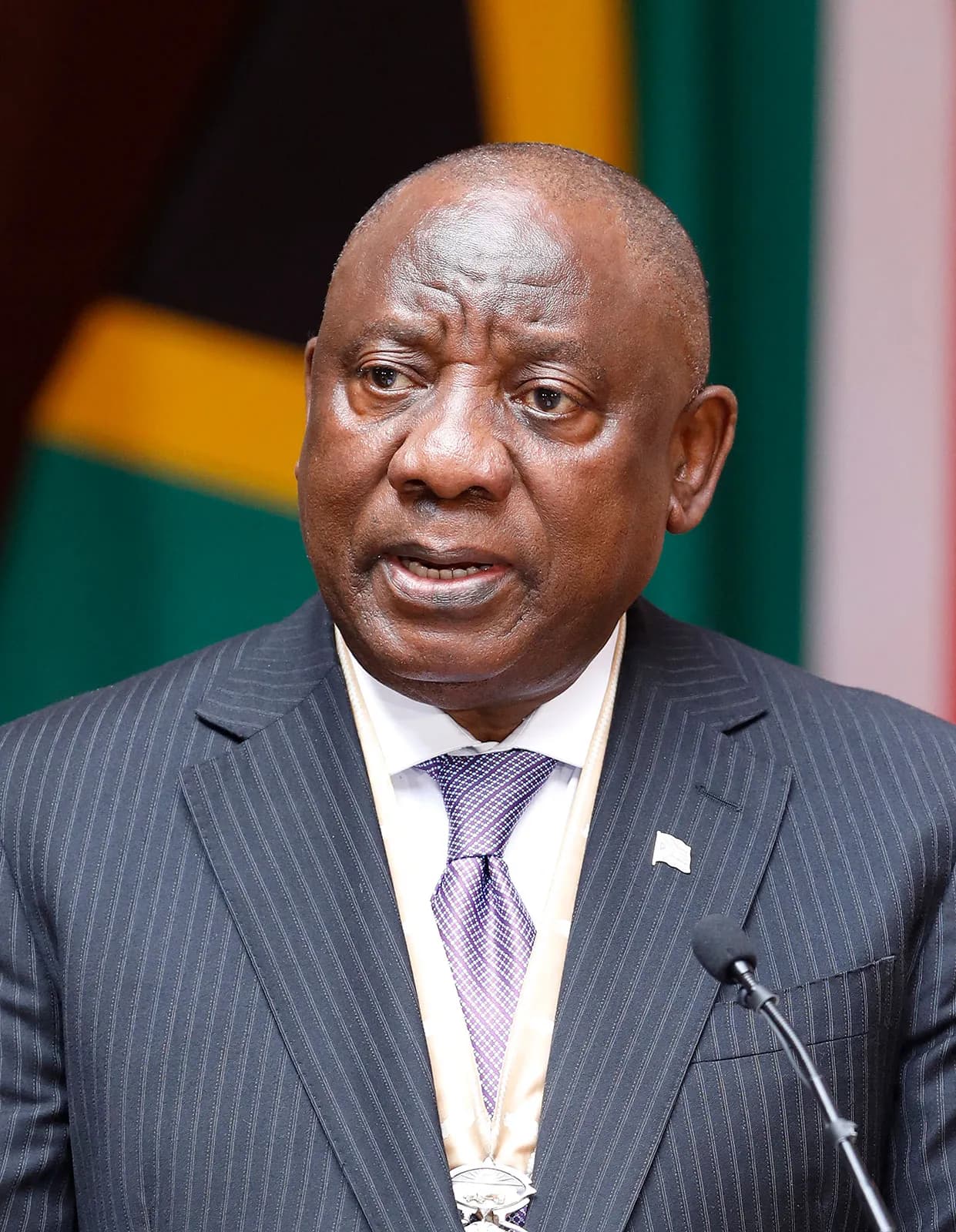
This deployment represents a critical inflection point for President Cyril Ramaphosa’s administration, which is grappling with a surge in violence that critics argue has compromised state authority. By drafting the South African National Defence Force (SANDF) to support police in operations against gang violence and illegal mining, the government is signaling that traditional law enforcement is no longer sufficient to secure the nation’s economic and social future.
The decision to mobilize the military follows a sustained period of systemic security challenges. South Africa remains one of the most violent countries globally outside of active war zones. According to recent crime data, the country recorded over 6,300 homicides in the final quarter of 2025 alone, averaging nearly 70 killings per day. Beyond the raw numbers, the nature of this violence has evolved into a sophisticated, cartel-like phenomenon that threatens critical infrastructure.
The state’s current tactical pivot, known as Operation Vala Umgodi, is designed to choke off the criminal value chains that have metastasized across Gauteng, the North West, and the Free State. Illegal mining syndicates, which have effectively seized abandoned shafts and threatened formal mining operations, are a primary target. The economic damage is massive authorities report that illicit activities in sectors like mining, fuel smuggling, and illicit trade are costing the economy billions annually. For context, recent government crackdowns on drug laboratories alone have netted seizures valued at over R324 million (approximately KES 2.43 billion), highlighting the staggering scale of the illicit economy.
Security analysts warn that the military’s arrival is a double-edged sword. While residents in violence-plagued neighborhoods like Riverlea and Westbury have expressed immediate relief—often viewing any state presence as better than none—the structural implications are deeply troubling for a democracy. Historically, South Africa’s transition from apartheid to democracy was built on the clear separation of the military’s external mandate from domestic policing. By blurring these lines, the government risks creating a long-term dependency on military force to compensate for chronic institutional weakness within the South African Police Service.
Academic research into previous domestic deployments suggests that the military provides only temporary, surface-level suppression. When soldiers withdraw, criminal networks often return, having simply shifted their operations to less-guarded precincts. Experts argue that without a concomitant strengthening of investigative capacity, witness protection, and corruption-clearing within the police force, the deployment acts as a bandage on a compound fracture. It addresses the symptom of visible violence but leaves the systemic corruption that enables syndicates to operate untouched.
For Kenyan observers, these developments echo familiar debates regarding the role of the Kenya Defence Forces (KDF) in domestic security. Kenya has frequently deployed the military to support police in operations against cattle rustling, banditry, and extremist threats in the northern regions and along the coast. Like their South African counterparts, Kenyan policymakers often face the same dilemma: the police are occasionally outgunned or lack the logistical reach to combat well-armed non-state actors. However, Kenya’s experience also underscores the risks. Military intervention, while effective at restoring order in the short term, requires a robust exit strategy and an immediate handover to civilian-led governance to prevent the "securitization" of public space.
The challenge for South Africa, much like Kenya, is whether this intervention will lead to lasting institutional reform. If the military presence is used as an excuse to delay the fundamental restructuring of the police service, the long-term cost to the democratic project could far outweigh the short-term stability. As one seasoned policy observer noted, a state that relies on its army to police its citizens is a state that has forgotten how to lead them.
As the soldiers maintain their patrols in Johannesburg, the question remains: will this deployment facilitate the dismantling of criminal hierarchies, or will it merely push the violence into the shadows, waiting for the day the military packs its bags and returns to the barracks?
Keep the conversation in one place—threads here stay linked to the story and in the forums.
Sign in to start a discussion
Start a conversation about this story and keep it linked here.
Other hot threads
E-sports and Gaming Community in Kenya
Active 9 months ago
The Role of Technology in Modern Agriculture (AgriTech)
Active 9 months ago
Popular Recreational Activities Across Counties
Active 9 months ago
Investing in Youth Sports Development Programs
Active 9 months ago
Key figures and persons of interest featured in this article