We're loading the full news article for you. This includes the article content, images, author information, and related articles.
South Africa's ambitious National Health Insurance (NHI) rollout faces an indefinite freeze as a barrage of constitutional court challenges halts the nation's most sweeping healthcare overhaul since 1994.

South Africa’s most ambitious healthcare overhaul since the end of apartheid, the National Health Insurance (NHI) Act, is effectively frozen amidst a barrage of constitutional court challenges.
This legislative paralysis leaves millions of citizens locked in a deeply unequal, two-tiered healthcare system. As Kenya rolls out its own Social Health Authority (SHA), Pretoria’s ongoing legal nightmare serves as a critical warning regarding the complexities of funding and implementing universal health coverage in a developing economy.
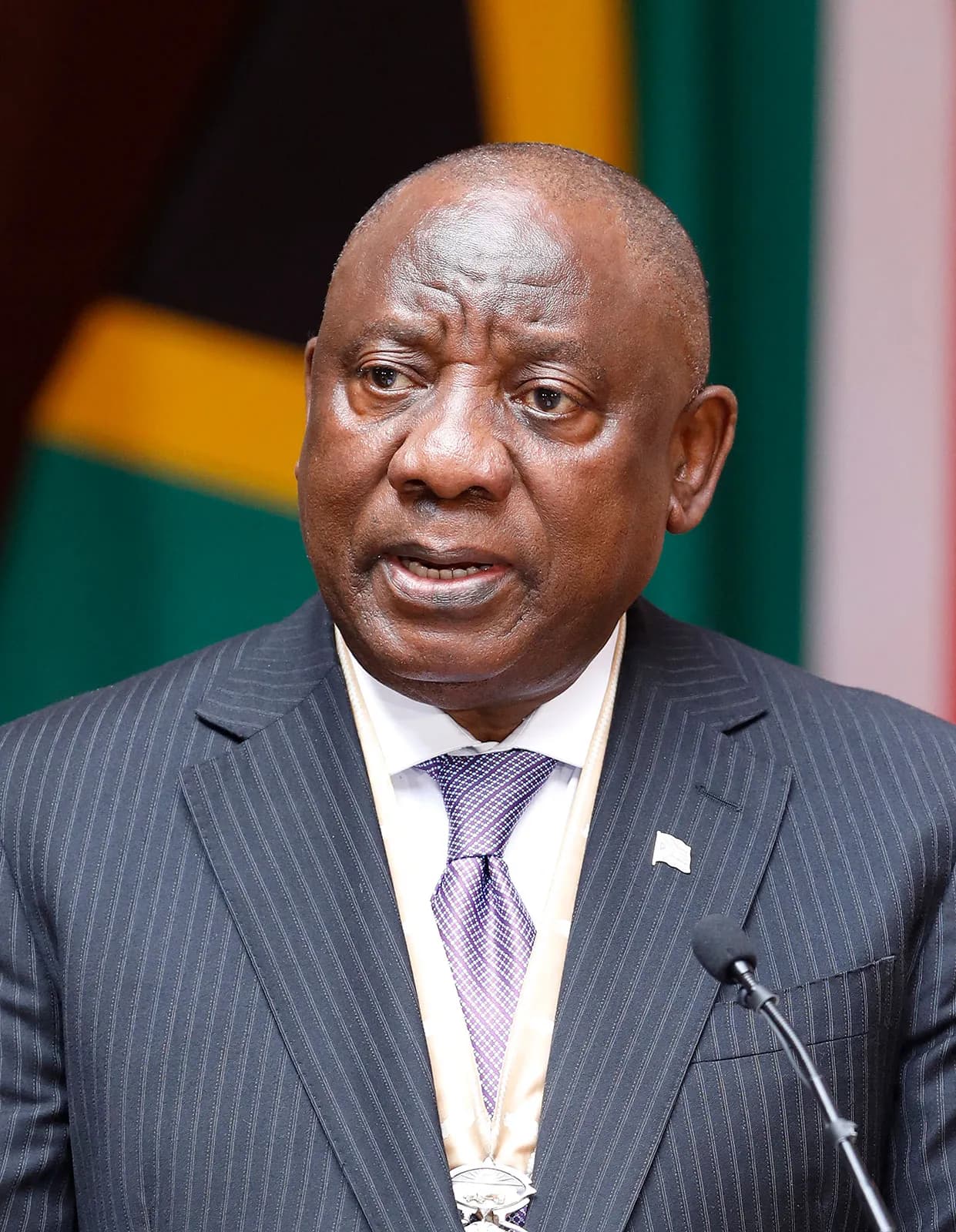
Signed into law by President Cyril Ramaphosa in May 2024, the NHI aims to create a massive state-run fund to procure health services from both public and private sectors. The objective is noble: to bridge the chasm between a world-class private healthcare system serving the wealthy few and a crumbling public sector burdened by the masses.
However, the execution has hit a formidable legal wall. At least 12 active court cases are challenging the Act’s constitutionality. In a significant concession this February, President Ramaphosa announced that no part of the Act would be promulgated until the Constitutional Court rules on two primary applications slated for May. Health Minister Aaron Motsoaledi has confirmed that negotiations with litigating organizations are ongoing, a tacit admission of the legislation's vulnerabilities.
Opponents of the NHI argue that the framework is unworkable, fundamentally unaffordable, and heavily centralized. Health economists point out that consolidating such vast resources without addressing existing systemic corruption could lead to a monumental collapse of service delivery.
The debate resonates deeply in East Africa. Kenya is navigating its own transition from the National Health Insurance Fund (NHIF) to the Social Health Authority (SHA). Both nations are grappling with the immense challenge of financing universal healthcare.
Experts like University of Cape Town health economist Susan Cleary emphasize that structural reform must be phased. Overhauling a system plagued by infrastructural decay requires precision, not just sweeping legislative mandates. The South African model, currently trapped in judicial limbo, proves that political will alone cannot bulldoze practical economic realities.
The upcoming May rulings will dictate the trajectory of South African healthcare for a generation. If the Constitutional Court strikes down key provisions, the government will be forced back to the drawing board, further delaying essential reforms. Should the Act survive, the sheer logistical nightmare of integrating the two sectors will begin.
For policymakers in Nairobi watching closely, the lesson is clear: inclusive stakeholder engagement and transparent financing models are not optional luxuries; they are the bedrock of viable healthcare reform.
"The NHI's current paralysis is a stark reminder that universal healthcare cannot be achieved by decree; it must be built on a foundation of unassailable economic viability and broad public trust."
Keep the conversation in one place—threads here stay linked to the story and in the forums.
Sign in to start a discussion
Start a conversation about this story and keep it linked here.
Other hot threads
E-sports and Gaming Community in Kenya
Active 9 months ago
The Role of Technology in Modern Agriculture (AgriTech)
Active 9 months ago
Popular Recreational Activities Across Counties
Active 9 months ago
Investing in Youth Sports Development Programs
Active 9 months ago
Key figures and persons of interest featured in this article