We're loading the full news article for you. This includes the article content, images, author information, and related articles.
The battle to host Formula 1's return to Africa pits South Africa’s rich motorsport history against Rwanda's ambitious, state-backed vision, a decision with significant economic and geopolitical implications for the continent and the East Africa region.
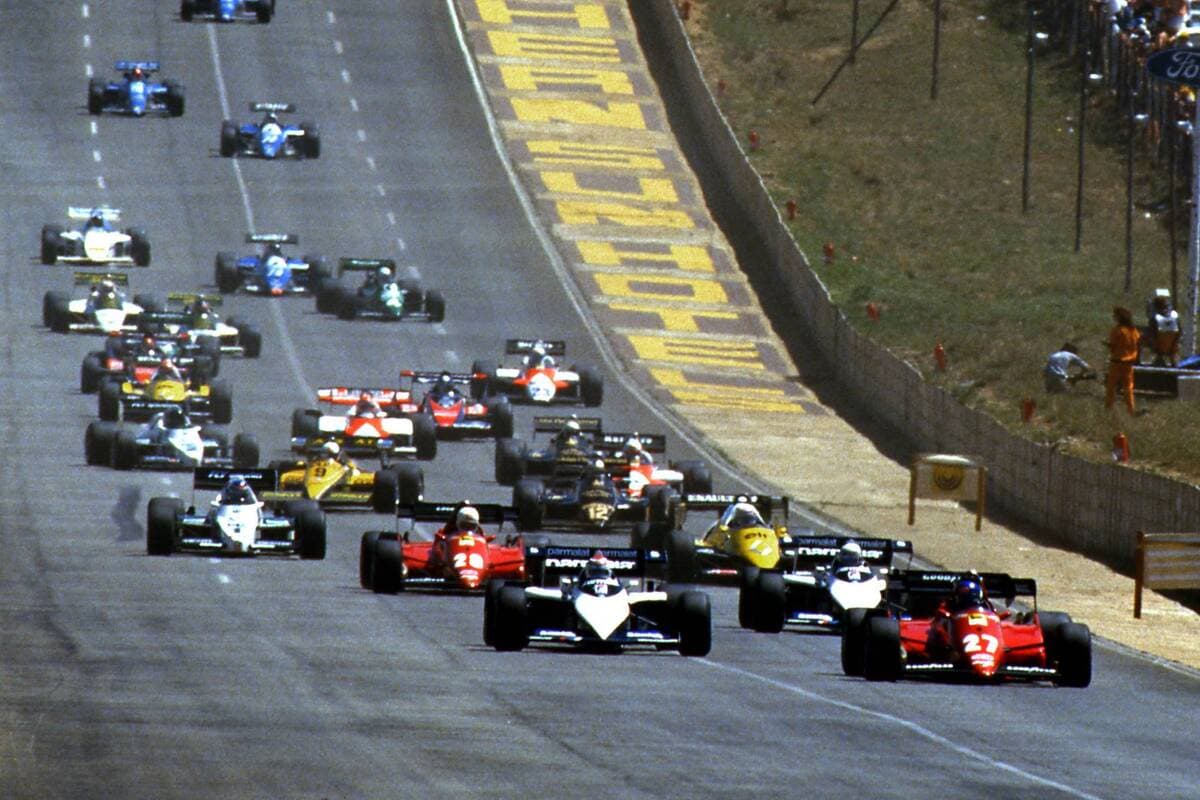
A fierce contest is underway to bring Formula 1 back to Africa for the first time since 1993, pitting South Africa’s historic Kyalami circuit against a futuristic, state-funded project in Rwanda. The decision, anticipated to place a race on the calendar as early as 2027, represents more than just a sporting event; it is a geopolitical and economic race for continental prestige and global exposure.
Formula 1 CEO Stefano Domenicali has repeatedly confirmed the sport's commitment to filling the African void in its global schedule. “We are missing one continent, and we want to connect also to that,” Domenicali stated, emphasizing the search for a viable, long-term plan. This sentiment is strongly supported by leading drivers, including seven-time world champion Lewis Hamilton, who has actively advocated for a race on the continent.
South Africa’s bid is centered on the iconic Kyalami Grand Prix Circuit, located north of Johannesburg. A venue steeped in motorsport lore, Kyalami has hosted 21 Grands Prix, the last of which saw a dramatic duel between Alain Prost and Ayrton Senna. However, the track is currently certified as FIA Grade 2 and requires significant upgrades to meet the premier Grade 1 safety standards necessary for a modern F1 race. In June 2025, the Fédération Internationale de l'Automobile (FIA) approved the final design proposals for these upgrades, giving the circuit a three-year window to complete the works. The South African government has endorsed the bid but stipulated that it must be privately funded. In response, Minister for Sports, Arts and Culture, Gayton McKenzie, has been in discussions with several private companies to raise approximately $100 million (Sh12.9 billion) to cover hosting fees and other costs.
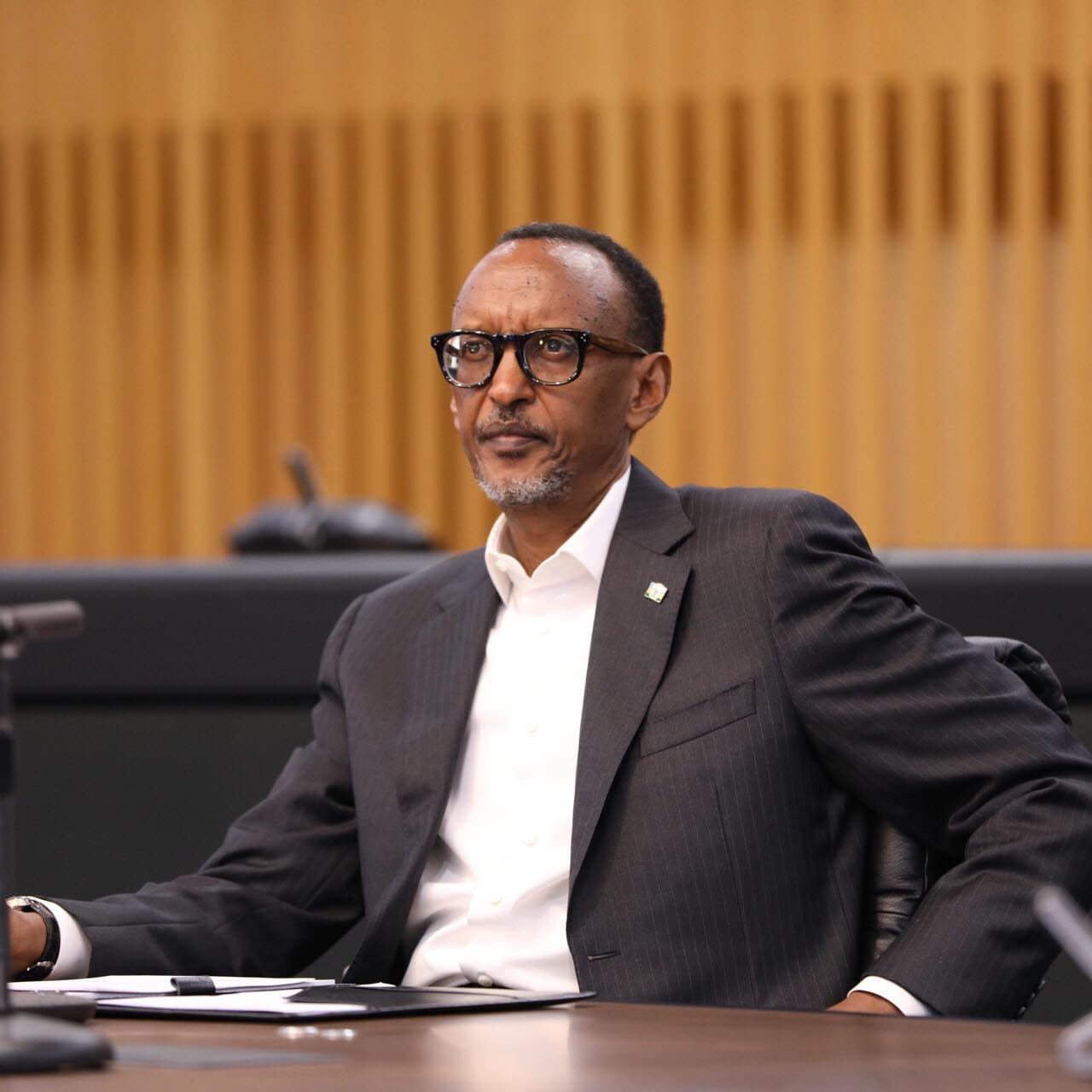
In contrast, Rwanda offers a forward-looking, government-backed proposition. President Paul Kagame formally announced the country's bid in December 2024 during the FIA General Assembly in Kigali. The ambitious project involves constructing a brand-new, state-of-the-art circuit near the new Bugesera International Airport, about 25km from the capital. The track is being designed by former F1 driver Alexander Wurz and is a cornerstone of Rwanda's wider strategy to establish itself as a global hub for sports and tourism. This vision is supported by an estimated investment that could approach $1 billion (Sh129 billion), according to some reports. Rwanda's bid has received public backing from FIA President Mohammed Ben Sulayem, who stated, “Africa deserves an F1 event and Rwanda is the best place.”
Both bids face significant hurdles. South Africa's reliance on private funding presents a challenge, though the recent economic impact of over R1 billion from the Formula E race in Cape Town serves as a powerful precedent for potential investors. Rwanda's bid, while well-funded, has drawn scrutiny from human rights organizations. Critics have accused the government of 'sportswashing'—using high-profile sporting events and sponsorships, such as its deals with major European football clubs, to distract from its human rights record. Furthermore, the Democratic Republic of Congo has formally requested that F1 cease talks with Rwanda due to regional conflicts.
Formula 1 management has made it clear that any African race must be sustainable and provide tangible benefits to the local community. Domenicali has outlined three key requirements: long-term investment that benefits the community, robust infrastructure including hotels and transport, and a strong economic base to support the event. He has also stated that an African race would likely replace an existing event on the 24-race calendar, not expand it.
Should Rwanda secure the hosting rights, the implications for Kenya and the wider East African region would be substantial. A Rwandan Grand Prix would be a landmark event for the region, potentially creating a new epicentre for sports tourism. Kenya, which has successfully leveraged the WRC Safari Rally to attract regional tourists, stands to benefit from the influx of international visitors to East Africa. The Kenya Tourism Board noted that the 2025 Safari Rally attracted an estimated 30,000 enthusiasts from Tanzania, Uganda, Rwanda, Burundi, and Ethiopia. An F1 race in Kigali would likely amplify this trend, with Kenya's well-developed hospitality sector poised to accommodate overflow visitors and offer complementary safari and beach tourism packages.
The event would also spur infrastructure development and investment within the East African Community, enhancing regional connectivity. However, it would also intensify competition. Rwanda's aggressive sports strategy, which includes hosting the Basketball Africa League and the upcoming 2025 UCI Road World Championships, is designed to position it as the region's premier sporting destination. This presents a challenge to Kenya's own ambitions in the sports tourism sector. Ultimately, whether the roar of F1 engines returns to the hills of Kyalami or echoes through the valleys near Kigali, the decision will mark a transformative moment for motorsport in Africa and send economic and cultural ripples across the continent.
Keep the conversation in one place—threads here stay linked to the story and in the forums.
Sign in to start a discussion
Start a conversation about this story and keep it linked here.
Other hot threads
E-sports and Gaming Community in Kenya
Active 9 months ago
The Role of Technology in Modern Agriculture (AgriTech)
Active 9 months ago
Popular Recreational Activities Across Counties
Active 9 months ago
Investing in Youth Sports Development Programs
Active 9 months ago
Key figures and persons of interest featured in this article