We're loading the full news article for you. This includes the article content, images, author information, and related articles.
The FAA reopens El Paso airspace after a mysterious 'drone incursion' by Mexican cartels forced a sudden 10-day shutdown.
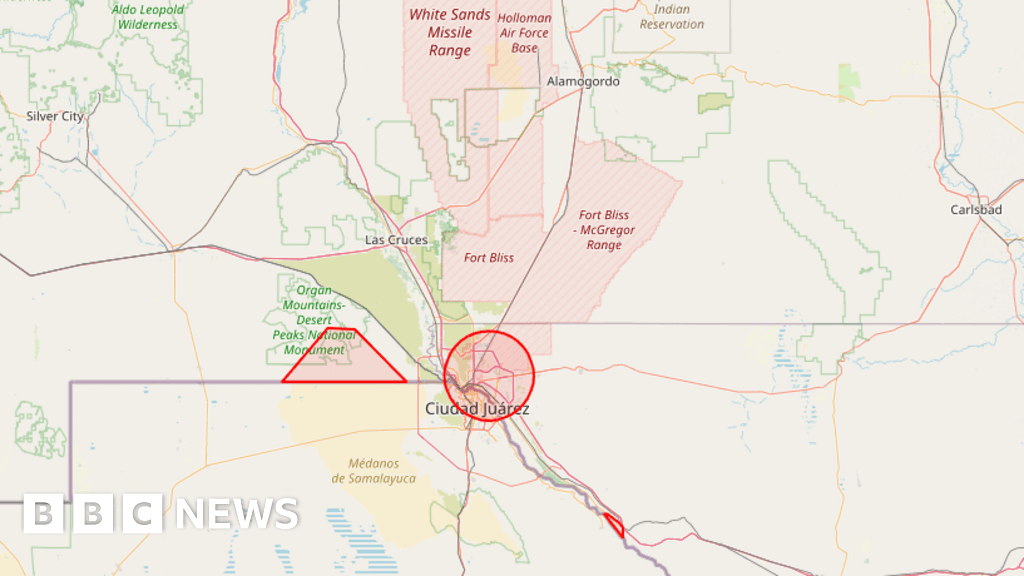
The Federal Aviation Administration (FAA) has abruptly lifted a controversial 10-day flight ban over El Paso, Texas, signaling the end of a tense standoff involving mysterious drone incursions at the US-Mexico border. The restrictions, which had grounded flights and baffled local officials, were rescinded on Wednesday morning after the Department of Defense confirmed it had "neutralized" the threat. The incident has pulled back the curtain on a new, high-tech front in the border security war: the weaponization of drones by Mexican drug cartels.
Transportation Secretary Sean Duffy took to social media to declare the skies safe, stating, "The threat has been neutralized, and there is no danger to commercial travel in the region." While the statement was meant to reassure, the lack of specific details about how the drones were disabled—or what they were doing—has left lingering questions. The shutdown had originally been scheduled to last until February 20, a duration that implied a severe and persistent danger to aviation safety.
Sources indicate that the "special security reasons" cited for the closure were directly linked to drone activity by cartels operating from Ciudad Juárez, just across the border. These criminal organizations have increasingly utilized unmanned aerial systems for surveillance and smuggling, but an incursion significant enough to shut down a major American airport suggests a dangerous escalation. The Pentagon's involvement confirms that this was not a mere regulatory issue, but a national security operation.
Local leaders were caught completely off guard. El Paso City Council member Chris Canales expressed frustration at the lack of communication, noting that the order came "without any advance notice to local governments." The sudden paralysis of El Paso International Airport threatened to sever a critical economic artery for the region, which relies heavily on cross-border commerce.
The lifting of the ban brings relief to travelers and businesses, but it sets a worrying precedent. The fact that non-state actors can force the closure of US airspace serves as a wake-up call for aviation authorities. As drone technology becomes cheaper and more accessible, the FAA and the military must now prepare for a future where border security requires not just a wall on the ground, but an Iron Dome in the sky.
For now, flights are landing in El Paso again. But the invisible cat-and-mouse game between US defense systems and cartel technology continues, silently playing out in the clouds above the Rio Grande.
Keep the conversation in one place—threads here stay linked to the story and in the forums.
Sign in to start a discussion
Start a conversation about this story and keep it linked here.
Other hot threads
E-sports and Gaming Community in Kenya
Active 9 months ago
The Role of Technology in Modern Agriculture (AgriTech)
Active 9 months ago
Popular Recreational Activities Across Counties
Active 9 months ago
Investing in Youth Sports Development Programs
Active 9 months ago