We're loading the full news article for you. This includes the article content, images, author information, and related articles.
For the opposition to challenge Ruto, the opposition needs a radical realignment, leading to questions about a potential Sifuna-Gachagua alliance.

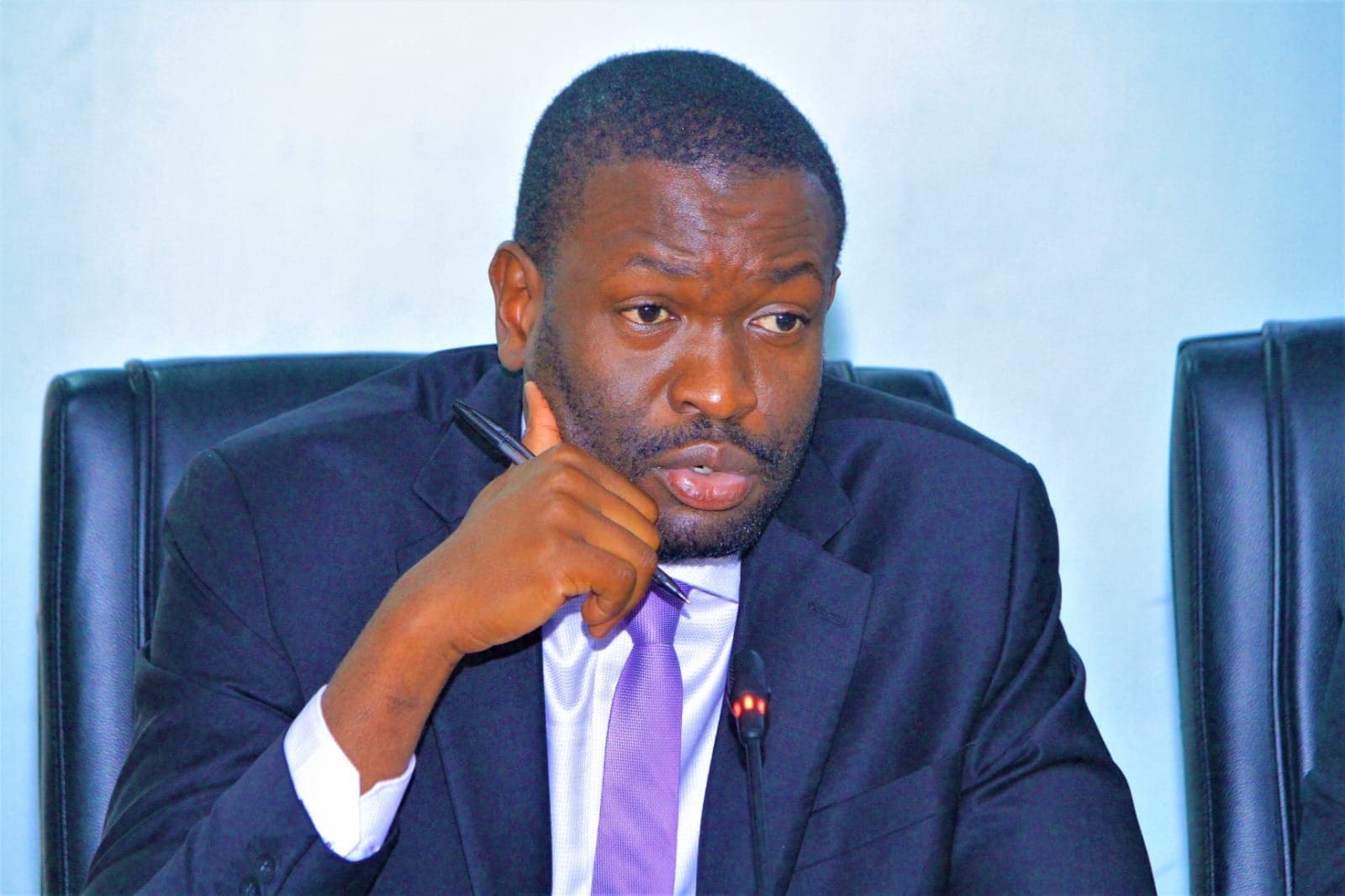
The corridors of power in Nairobi are currently echoing with a quiet, persistent calculation that could define the trajectory of the 2027 General Election. Edwin Sifuna, the abrasive and strategic Secretary General of the Orange Democratic Movement, has begun to articulate a reality that the opposition has long sought to ignore: the path to the presidency in Kenya is paved with uncomfortable compromises.
For the opposition to effectively challenge President William Ruto, the current political landscape suggests that a fractured campaign is a guaranteed failure. The electoral mathematics, according to Sifuna, demands the consolidation of at least five million votes from diverse regions, a threshold that remains unattainable without a radical restructuring of the opposition’s power base. This necessitates a conversation that would have been unthinkable only a few years ago: an alliance between the progressive, populist machinery of ODM and the deeply entrenched regional influence of former Deputy President Rigathi Gachagua.
The strategic target of five million votes is not an arbitrary figure plucked from thin air it represents a hard-nosed assessment of the turnout required to neutralize the incumbency advantage of the Kenya Kwanza administration. Political analysts note that historical voter data from the 2022 elections, combined with emerging demographic shifts, paints a picture of a nation where the margin of victory is narrowing, yet the geographical voting blocks remain stubbornly rigid.
The challenge for Sifuna is twofold: he must retain the core support of the traditional opposition strongholds while expanding into the voter-rich Mount Kenya region—a territory that was pivotal in cementing President Ruto’s victory in 2022. An alliance with Gachagua, whose political survival has been intrinsically linked to his standing within the Mountain, offers a tactical bridge. However, the move is fraught with risk, as it threatens to alienate the very base that has sustained ODM for two decades.
The prospect of a Sifuna-Gachagua alignment raises fundamental questions about the future of political ideology in Kenya. Sifuna has historically championed a platform of democratic reform, social justice, and aggressive oversight of government spending. In contrast, Gachagua’s political brand has been built upon regional representation and the protection of business interests within the central region.
Economists at the University of Nairobi argue that such a coalition would be purely transactional, aimed at capturing the executive office rather than implementing a shared governance model. Dr. Miriam Otieno, a senior research fellow in political economy, notes that while transactional politics are the norm in Kenya, the instability of such a union is high. She points out that past coalitions—such as the National Super Alliance and the Azimio la Umoja One Kenya Coalition—foundered on the shoals of trust and power-sharing disagreements.
Should such an alliance manifest, the friction would not be limited to campaign strategy. It would extend to the formulation of a legislative agenda that could satisfy both the populist demands of the urban poor and the conservative expectations of the rural business owners in the central highlands. The tension between these two distinct classes of voters creates a chaotic theater for any potential joint campaign.
The Kenyan electorate has witnessed the rise and fall of grand alliances with weary regularity. The history of opposition politics in the country is a graveyard of "convenient" partnerships that fractured under the weight of ego and ambition. Sifuna, a student of this history, acknowledges the gravity of the gamble he is proposing.
The risk is not merely losing the election it is the total erosion of the ODM brand if the alliance fails to deliver. If Sifuna aligns with Gachagua and the coalition fails, the ODM risks losing its identity as the standard-bearer of reform. Conversely, if they ignore the reality of the numbers and run independently, they risk another cycle of opposition from the sidelines. The dilemma is not one of preference, but of survival.
As the country edges closer to 2027, the internal debates within the opposition corridors are intensifying. The question is no longer whether they can beat the incumbent on policy alone, but whether they can suppress their historical differences long enough to present a unified front to a populace that is increasingly cynical about the political class. The Sifuna-Gachagua question serves as the ultimate test of whether the Kenyan opposition has matured into a pragmatic force or whether it remains a collection of competing interests, destined to repeat the cycle of disappointment.
In the grand theater of Kenyan politics, the script is being rewritten, but the finale remains a mystery written in the ink of betrayal and necessity. Whether this proposed alliance becomes a reality or fades as a desperate whisper in the corridors of power, one thing is certain: the electoral map of 2027 is shifting, and the stakes for the nation’s future have never been higher.
Keep the conversation in one place—threads here stay linked to the story and in the forums.
Sign in to start a discussion
Start a conversation about this story and keep it linked here.
Other hot threads
E-sports and Gaming Community in Kenya
Active 10 months ago
Popular Recreational Activities Across Counties
Active 10 months ago
The Role of Technology in Modern Agriculture (AgriTech)
Active 10 months ago
Investing in Youth Sports Development Programs
Active 10 months ago
Key figures and persons of interest featured in this article