We're loading the full news article for you. This includes the article content, images, author information, and related articles.
Sifuna reignites his Linda Mwananchi campaign with a three-city tour, testing internal ODM dynamics and tapping into grassroots economic frustrations.

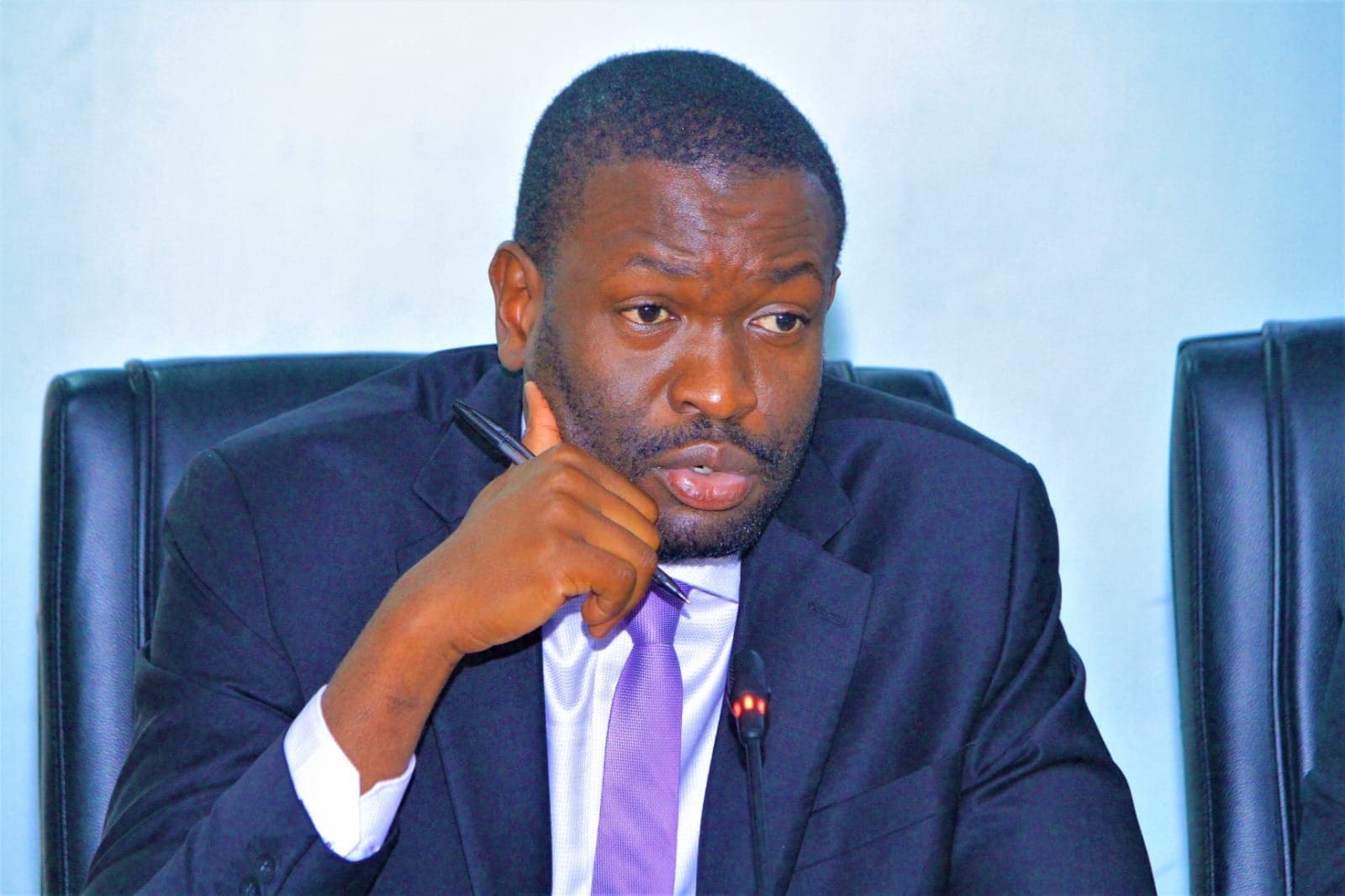
The political landscape in Kenya is bracing for a fresh wave of mobilization as Nairobi Senator and Orange Democratic Movement Secretary General Edwin Sifuna confirms the resumption of the Linda Mwananchi movement rallies. After a brief hiatus, the campaign, which challenges the existing political consensus, is set to sweep through Narok, Nairobi, and Mombasa in a high-stakes demonstration of grassroots political power.
This renewed push represents a critical inflection point for the Kenyan opposition, highlighting deep internal fissures within the Orange Democratic Movement regarding its cooperation with the national administration. As the country grapples with economic pressures and the lingering echoes of the Gen Z-led protests of 2024 and 2025, the Linda Mwananchi initiative seeks to channel widespread public dissatisfaction into a structured political force ahead of the 2027 electoral cycle.
The Linda Mwananchi tour is scheduled to commence in Narok on Sunday, March 22, 2026, followed by a major event in Nairobi on March 27, and culminating in a coastal rally in Mombasa on March 29. By selecting these specific hubs, Sifuna and his cohort—including vocal MPs like Babu Owino—are targeting both the agricultural heartlands of the Rift Valley and the critical urban and coastal voting blocs that have historically determined national election outcomes.
For the movement, these rallies are not merely traditional political gatherings they are designed as town-hall-style dialogues meant to bypass traditional gatekeepers. The initiative aims to catalog the grievances of ordinary citizens—ranging from the high cost of living to alleged policy failures—and present them as a coherent "People’s Report." This data-driven approach marks a departure from typical Kenyan political campaigning, which often relies on personality cults rather than policy accountability.
Beyond the physical stage, the Linda Mwananchi movement has launched a digital command center, lindamwananchi.com, intended to aggregate a verified support base. This platform, according to its organizers, has faced significant cyberattacks, which they characterize as attempts to stifle grassroots mobilization. While the portal faced temporary downtime, its swift restoration and the continued surge in user registrations suggest that the digital strategy is resonating with a younger, tech-savvy constituency that feels sidelined by traditional party politics.
The movement’s growth has, however, deepened the divide within the Orange Democratic Movement. While the mainstream party leadership pursues a "broad-based" cooperation agreement with the government, the Linda Mwananchi faction argues that this pact has neutralized the opposition`s duty to check the executive. This ideological clash has led to parallel political activities, with rival factions holding their own conventions, a development that political analysts suggest could lead to a fundamental realignment of the party by 2027.
At the heart of the Linda Mwananchi movement is a response to the economic anxiety felt by millions of Kenyans. Despite official government projections of a 5.3 percent economic growth rate for 2026, the reality on the ground, particularly in ASAL regions, tells a different story. With persistent inflation and high debt-servicing requirements consuming a significant portion of national revenue, the cost of basic commodities remains a flashpoint for social unrest.
The movement’s rhetoric—centered on the "Linda Mwananchi" (Protect the Citizen) mantra—is a calculated appeal to those who feel the brunt of these policies. By focusing on issues like forensic debt audits, electoral commission reconstitution, and the transparency of state-corporation privatizations, Sifuna is attempting to frame the 2027 election as a referendum on the current administration`s economic management. For a public that has seen two years of protests and policy volatility, this message of economic nationalism provides a clear, if contentious, alternative.
As the tour prepares to launch, the stakes are undeniably high. If the rallies draw the massive crowds witnessed in previous stops like Kakamega and Busia, the movement will have solidified its status as a potent political entity independent of the ODM mainstream. Conversely, any failure to sustain this momentum could relegate the initiative to a footnote in the broader political narrative.
History in Kenya suggests that political movements often rise from the fringes of established parties, driven by individuals who are willing to break from orthodoxy. Whether Edwin Sifuna’s gamble pays off will depend on whether he can translate the current enthusiasm into a lasting institutional structure that survives the shifting loyalties of the pre-election season. For now, the eyes of the political class are firmly fixed on Narok, where the next chapter of this unfolding political drama begins.
Keep the conversation in one place—threads here stay linked to the story and in the forums.
Sign in to start a discussion
Start a conversation about this story and keep it linked here.
Other hot threads
E-sports and Gaming Community in Kenya
Active 10 months ago
Popular Recreational Activities Across Counties
Active 10 months ago
The Role of Technology in Modern Agriculture (AgriTech)
Active 10 months ago
Investing in Youth Sports Development Programs
Active 10 months ago
Key figures and persons of interest featured in this article