We're loading the full news article for you. This includes the article content, images, author information, and related articles.
The FBI has launched a criminal probe into former counterterror chief Joe Kent following his resignation over the controversial U.S. military campaign in Iran.

The heavy steel doors of the National Counterterrorism Center did not mark the end of Joe Kent’s battle with the White House, but merely the beginning of his legal entanglement. Days after resigning his position as director, the veteran official finds himself the primary subject of a sprawling FBI criminal investigation focused on allegations of unauthorized disclosure of classified intelligence.
This escalating confrontation between the intelligence apparatus and one of its own high-ranking leaders arrives at a precarious moment. As the United States military campaign against Iran enters its fourth week, the administration is struggling to manage a dual-front crisis: a widening war in West Asia and a fracturing consensus within the national security establishment. For the global market, including observers in Nairobi, the volatility is not merely geopolitical but deeply economic, as oil prices breach $111 per barrel, threatening energy security across East Africa.
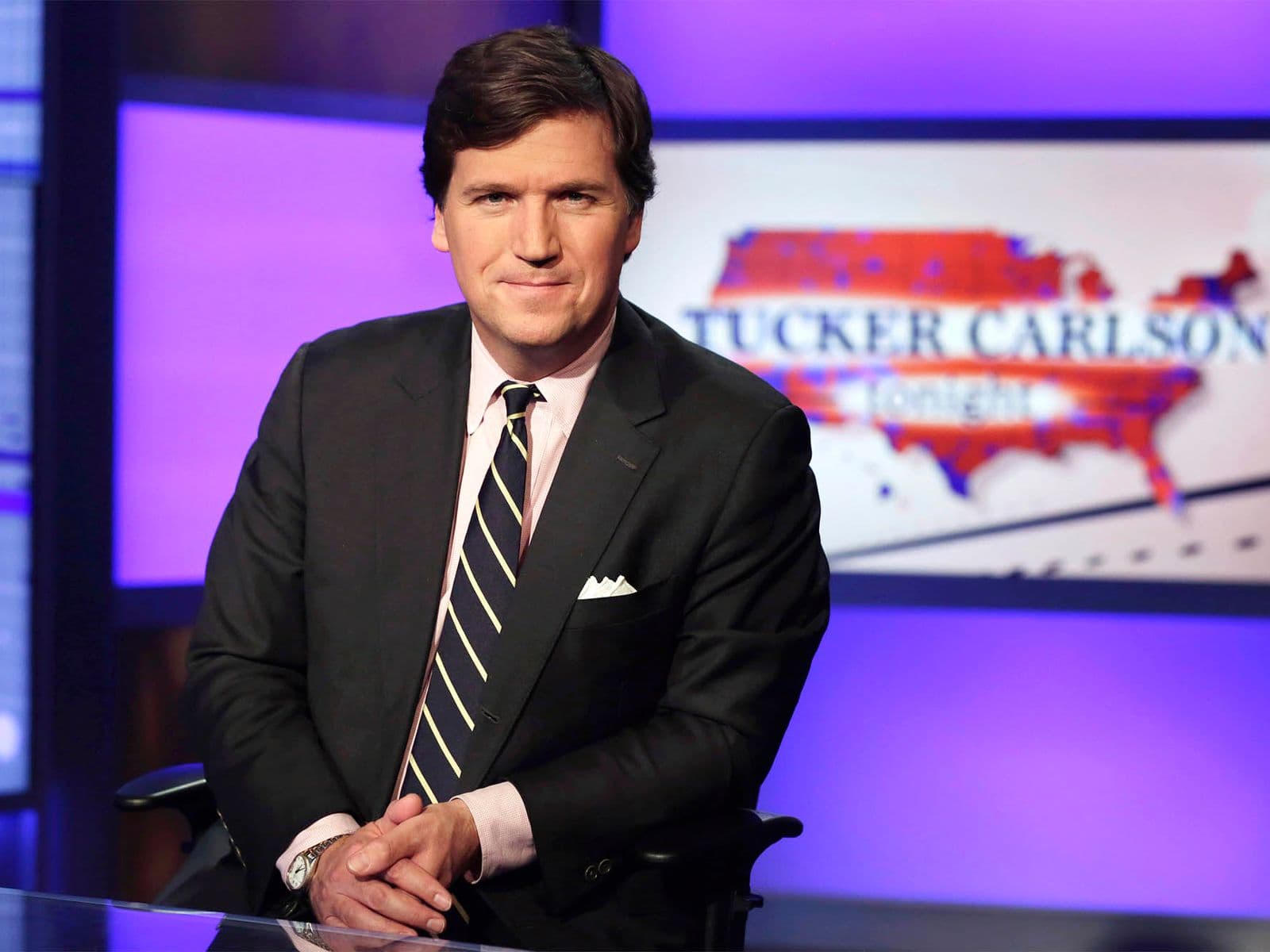
Federal investigators have reportedly widened the scope of their inquiry into Kent’s conduct over the preceding months, long before his public resignation on Tuesday. Multiple sources familiar with the Justice Department’s actions indicate that the probe centers on alleged leaks of classified intelligence documents shared with private media figures, including television host Tucker Carlson. The Department of Justice, now acting under intense scrutiny from the Oval Office, is examining whether these disclosures compromised sensitive operational security regarding the ongoing strikes against Iranian infrastructure.
The timing of the investigation raises significant questions about the use of federal power to address policy dissent. Kent, a 45-year-old Special Forces veteran, has long been viewed as a loyalist to the Trump administration, having defended controversial policies throughout his tenure. However, his departure underscores a deep rupture in the administration’s core, driven by conflicting assessments of the Iranian threat. Kent’s resignation letter explicitly rejected the premise of an imminent Iranian attack on the U.S. homeland, arguing that the military campaign was fueled by pressure from external allies rather than genuine intelligence of hostile intent.
The geopolitical and economic ramifications of this rift are quantifiable, as the conflict disrupts global supply chains and heightens regional anxiety. The following data highlights the current state of the crisis as of March 19, 2026:
The investigation into Kent is not occurring in a vacuum. It follows a pattern of heightened surveillance and aggressive legal maneuvers against perceived political foes of the current administration. Legal scholars at Georgetown University suggest that the prosecution of high-level intelligence officials for alleged leaks sets a dangerous precedent, potentially chilling future internal debates within the intelligence community. When policy disagreements are met with criminal probes, the mechanism for internal dissent—a vital safeguard against strategic miscalculation—is effectively dismantled.
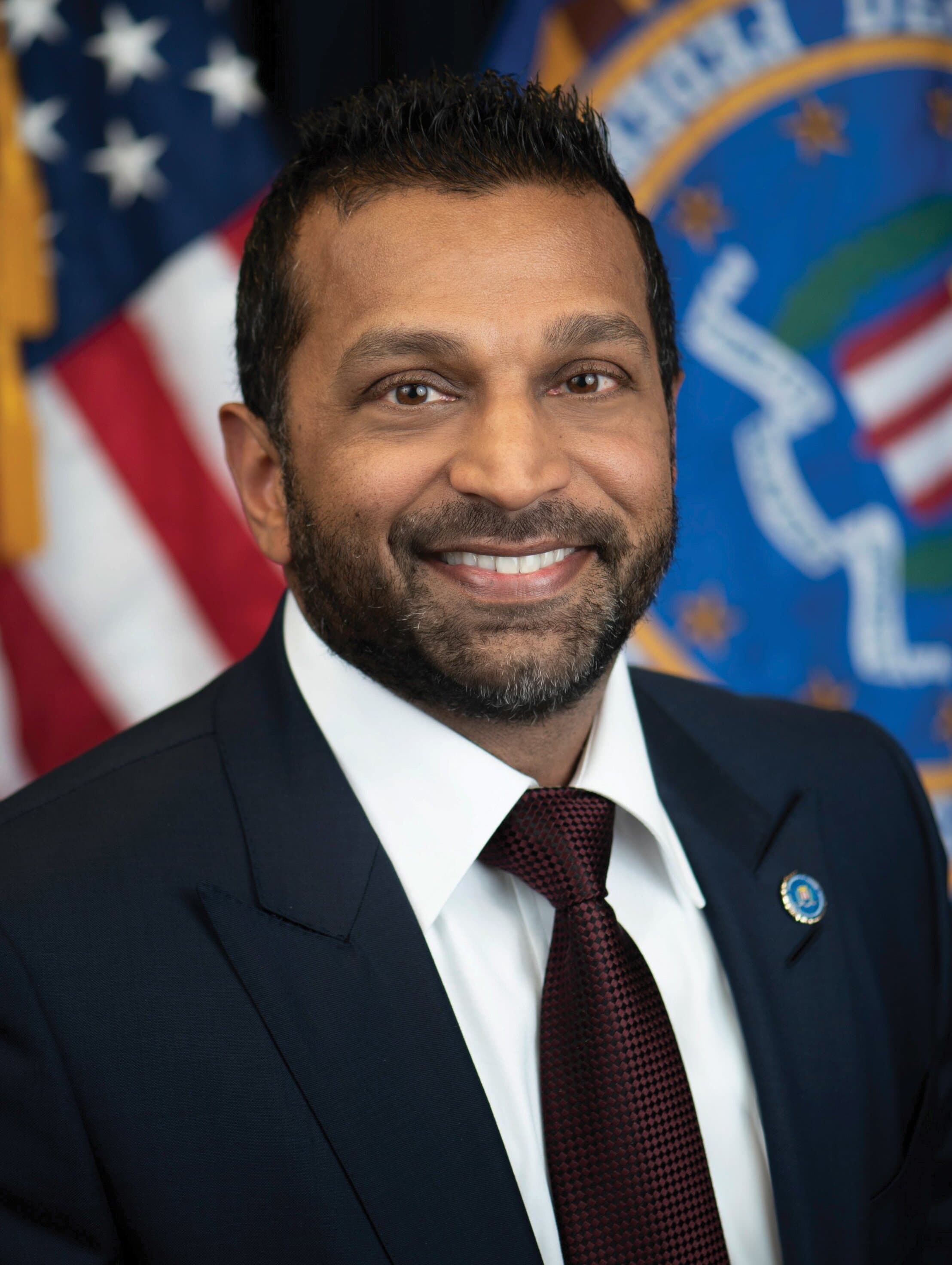
Furthermore, the FBI’s credibility is under fire. Recent disclosures, including testimony from FBI Director Kash Patel, reveal that the agency has been purchasing location data on American citizens without warrants. This revelation, combined with the probe into Kent, paints a picture of an agency increasingly focused on domestic intelligence management rather than its traditional counterterrorism mandate. For international allies, including Kenya, the chaos inside the U.S. national security apparatus creates uncertainty regarding the reliability of long-term intelligence sharing and diplomatic coordination.
The ripple effects of this Washington-based turmoil are felt acutely by the diplomatic community in Nairobi. East African policymakers rely on stable relations between the U.S. and West Asian powers to ensure the security of trade routes in the Indian Ocean. A conflict that drags on, characterized by mismanaged intelligence and internal political purging, threatens the stability of energy imports and the cost of transport for Kenyan businesses. The uncertainty is reflected in the local markets, where fuel price volatility is directly indexed to the barrel prices currently spiraling in the wake of the Iran conflict.
Internal State Department sources, some speaking on condition of anonymity, describe a "hollowed-out" foreign policy apparatus where experienced diplomats have been replaced by political appointees. This loss of institutional memory is being blamed for the failure to properly vet intelligence before the February strikes. As Kent faces the FBI, the question remains whether the administration will continue to pursue critics as criminals, or if it will address the foundational intelligence failures that led to the death of civilians and the current regional instability.
The shadow of the Espionage Act looms large over the coming months. Whether this probe results in formal charges or serves as a warning shot to other dissenting voices in the security state, the outcome will define the boundaries of the administration’s power for the remainder of its term. As the geopolitical landscape shifts beneath them, one thing remains clear: the war in Iran is no longer just a military engagement—it has become a defining struggle for the integrity of the American bureaucracy itself.
Keep the conversation in one place—threads here stay linked to the story and in the forums.
Sign in to start a discussion
Start a conversation about this story and keep it linked here.
Other hot threads
E-sports and Gaming Community in Kenya
Active 10 months ago
Popular Recreational Activities Across Counties
Active 10 months ago
The Role of Technology in Modern Agriculture (AgriTech)
Active 10 months ago
Investing in Youth Sports Development Programs
Active 10 months ago
Key figures and persons of interest featured in this article