We're loading the full news article for you. This includes the article content, images, author information, and related articles.
The latest forecast from the Kenya Meteorological Department indicates that Nairobi and the Central Highlands will experience a mix of cloudy conditions and sunny intervals followed by afternoon showers.
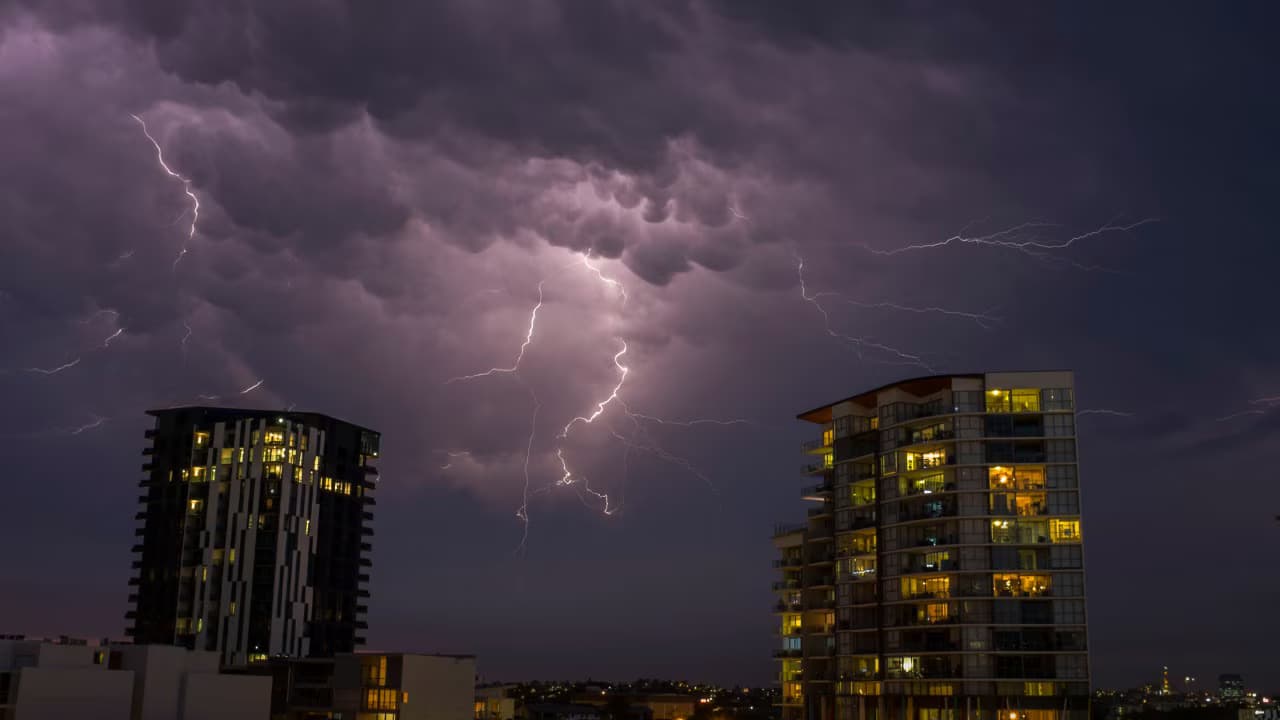
Umbrellas will be the accessory of choice this week as the Kenya Meteorological Department issues a robust alert for heavy showers and thunderstorms across key regions. From the tea bushes of Kericho to the concrete jungle of Nairobi, the skies are set to darken, bringing much-needed relief to farmers but potential chaos to commuters.
The forecast, released on Monday afternoon, paints a picture of a volatile atmosphere. While the mornings may start with deceptive sunshine, the heat of the day is expected to trigger convectional storms by mid-afternoon. The primary targets are the Lake Victoria Basin, the Rift Valley, and the Central Highlands. For the residents of Nairobi, this means the familiar rhythm of the "4 PM downpour"—a sudden deluge that can turn Mombasa Road into a parking lot in minutes.
This weather pattern is not just an inconvenience; it is a critical climatic signal. February is traditionally a transition month, bridging the hot, dry "January blues" and the onset of the Long Rains in March. The intensity of these pre-season showers suggests a highly active weather system, potentially influenced by lingering Indian Ocean Dipole effects.
The "Weatherman" has been specific in the zoning of these storms. The distribution is uneven, creating a country of two climates.
For the agricultural sector, this news is a double-edged sword. Farmers in the Rift Valley, preparing their land for planting, will welcome the soil moisture. However, the intensity of the thunderstorms carries the risk of soil erosion and crop damage for those with early seedlings in the ground. It is a delicate dance with nature.
In Nairobi, the County Government is on high alert. The notorious drainage systems in the CBD and estates like South C are often overwhelmed by such sudden volumes of water. Motorists are advised to exercise extreme caution. The combination of oil slicks on the tarmac—surfacing after weeks of dry weather—and heavy rain creates treacherous driving conditions.
Pedestrians, too, should be wary. The risk of lightning strikes in open areas, particularly in the western counties of Kisii and Nyamira, is real and deadly. The Met Department’s advice is standard but vital: avoid sheltering under trees and stay indoors during the height of the storms.
As we look at the broader picture, the frequency of these "extreme" weather events is increasing. 2026 has already seen erratic patterns, a hallmark of the changing global climate. The predictability of the seasons is eroding, forcing Kenyans to adapt to a new normal where the umbrella and the sunhat are needed in the same hour.
So, as you step out this week, keep your eye on the sky. The clouds gathering over the Ngong Hills are not just scenery; they are a warning.
"Prepare for the rains," warns the Director of Meteorological Services. "But do not forget the heat that follows."
Keep the conversation in one place—threads here stay linked to the story and in the forums.
Sign in to start a discussion
Start a conversation about this story and keep it linked here.
Other hot threads
E-sports and Gaming Community in Kenya
Active 9 months ago
The Role of Technology in Modern Agriculture (AgriTech)
Active 9 months ago
Popular Recreational Activities Across Counties
Active 9 months ago
Investing in Youth Sports Development Programs
Active 9 months ago