We're loading the full news article for you. This includes the article content, images, author information, and related articles.
Kenya is bracing for a week of "Climate Whiplash" as the Meteorological Department forecasts a sharp divide: heavy thunderstorms for the capital and the west, while the coast bakes.
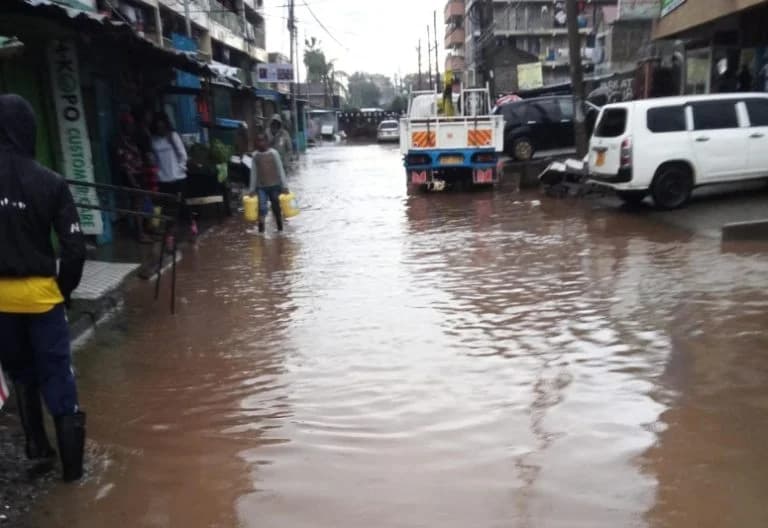
Kenya is bracing for a week of "Climate Whiplash" as the Meteorological Department forecasts a sharp divide: heavy thunderstorms for the capital and the west, while the coast bakes in relentless heat.
The umbrellas are going up in Nairobi, but the fans are spinning at maximum speed in Mombasa. In its latest five-day forecast, the Kenya Meteorological Department has painted a picture of a nation divided by its weather. Starting Monday, February 16, 2026, a significant weather system is expected to sweep across the Highlands West of the Rift Valley, the Lake Victoria Basin, and the Central Highlands, bringing with it heavy rainfall and isolated storms. For urban planners and farmers alike, the bulletin is a signal to prepare for disruption.
This isn't just a drizzle. The "Weatherman" warns of rainfall intensities that could trigger flash floods in prone areas of Nairobi and its metropolis. The forecast predicts "showers and thunderstorms" particularly in the afternoon and evening hours—a classic tropical pattern that often spells chaos for evening commuters on Waiyaki Way and Thika Road.
The disparity is striking. While Nairobi, Nyeri, and Kericho prepare for the deluge, the Coastal strip and North-Eastern Kenya are staring at the sun. Counties like Mombasa, Kilifi, and Garissa are forecast to remain dry and sunny, with temperatures soaring. This duality highlights the micro-climatic complexity of East Africa, where a few hundred kilometers can mean the difference between a flood and a drought.
For the tea farmers of Kericho and the maize growers of Trans Nzoia, the rains are a mixed blessing. While essential for the crop cycle, the intensity of the thunderstorms poses a risk of soil erosion and crop damage. In the urban jungle of Nairobi, the stakes are different. The city's drainage systems, notoriously easily overwhelmed, will face a stress test this week. Residents in lower-lying areas like South C and Highrise are already on high alert.
Meteorologists point to these intense, localized systems as a symptom of broader climate variability. The predictability of the "Long Rains" and "Short Rains" is fading, replaced by these erratic, high-intensity bursts. It forces a change in lifestyle and planning. "We can no longer farm or build based on the calendar alone," says climate analyst Dr. Jane Wanjiru. "We must live by the daily forecast."
As the clouds gather over the Ngong Hills this afternoon, Kenyans are advised to keep their jackets close and their weather apps closer. It’s going to be a wet, wild week for the highlands.
Keep the conversation in one place—threads here stay linked to the story and in the forums.
Sign in to start a discussion
Start a conversation about this story and keep it linked here.
Other hot threads
E-sports and Gaming Community in Kenya
Active 9 months ago
The Role of Technology in Modern Agriculture (AgriTech)
Active 9 months ago
Popular Recreational Activities Across Counties
Active 9 months ago
Investing in Youth Sports Development Programs
Active 9 months ago