We're loading the full news article for you. This includes the article content, images, author information, and related articles.
The prominent lawyer and digital strategist turns the tables on critics with a sarcastic plea to locate his alleged government paymasters, sparking a fresh debate on the price of political influence in Mt. Kenya.
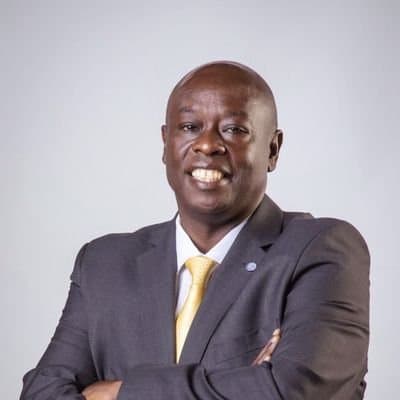
Lawyer and digital commentator Wahome Thuku has issued a stinging, sarcastic rebuttal to claims that his recent political commentary is funded by State House. In a Facebook post that has since gone viral, Thuku challenged his accusers to not only prove the allegations but to help him "locate the people who are paying" so he can finally collect his dues.
The denial comes amidst a swirling storm of speculation regarding the shifting loyalties of Mt. Kenya's digital influencers ahead of the 2027 election cycle. Thuku, known for his sharp legal mind and often controversial political stances, dismissed the "payroll" narrative as a tired tactic used to silence independent thought.
"I have never done it. I want to find out how to do it," Thuku wrote, addressing the rumors that he had been bought by President William Ruto’s administration to soften the ground in the restless Mountain region. With characteristic wit, he added, "I think I have lived like a Luo politician. After thirty years in politics, all they come out with are good intellectual English phrases."
The lawyer went further, questioning the logistics of this alleged state sponsorship. He claimed he has not met any high-ranking officials in the current regime, noting that the last time he saw the Interior Cabinet Secretary was at the funeral of journalist Rita Tinina. "By the way, in the Ruto government, who exactly pays people?" he posed, seemingly mocking the often-cited but rarely proven 'brown envelope' culture of Nairobi politics.
Thuku revealed a conversation that perhaps fueled the rumors. He detailed a call from an unnamed female MP from the Mt. Kenya region—a staunch Ruto supporter—who advised him to stop offering free advice. "She told me this, 'Wahome Thuku, commercialise your politics. Make money out of it. You are answerable to no one,'" he recounted.
This admission strikes a chord in a country where political blogging has evolved into a lucrative, albeit murky, industry. For the average Kenyan struggling with the cost of living, the idea that influencers are trading loyalties for millions is both infuriating and believable. Yet, Thuku insists his recent critiques of Deputy President Rigathi Gachagua and opposition figures are driven by conviction, not cash.
The saga highlights a deeper issue in Kenyan media consumption: the erosion of trust. When a prominent voice shifts tone—as Thuku did by recently claiming Mt. Kenya was "fully behind" Ruto despite his past criticisms—the public instinct is to assume a transaction occurred. In an economy where the minimum wage struggles to cover a basic food basket, political influence is often seen as the ultimate 'hustle'.
Thuku, however, remains unfazed by the optics. He signed off his denial with a line that perfectly encapsulates the cynical camaraderie of Kenyan politics: "Na nikilipwa tutakula na nyinyi" (And if I get paid, we will eat together). Whether a joke or a promise, it leaves his followers exactly where he wants them—guessing.
Keep the conversation in one place—threads here stay linked to the story and in the forums.
Sign in to start a discussion
Start a conversation about this story and keep it linked here.
Other hot threads
E-sports and Gaming Community in Kenya
Active 9 months ago
The Role of Technology in Modern Agriculture (AgriTech)
Active 9 months ago
Popular Recreational Activities Across Counties
Active 9 months ago
Investing in Youth Sports Development Programs
Active 9 months ago
Key figures and persons of interest featured in this article