We're loading the full news article for you. This includes the article content, images, author information, and related articles.
The painstaking process of identifying over 400 victims of the Shakahola cult continues, highlighting a deep national trauma and raising urgent questions about state oversight as the trial of preacher Paul Mackenzie proceeds.
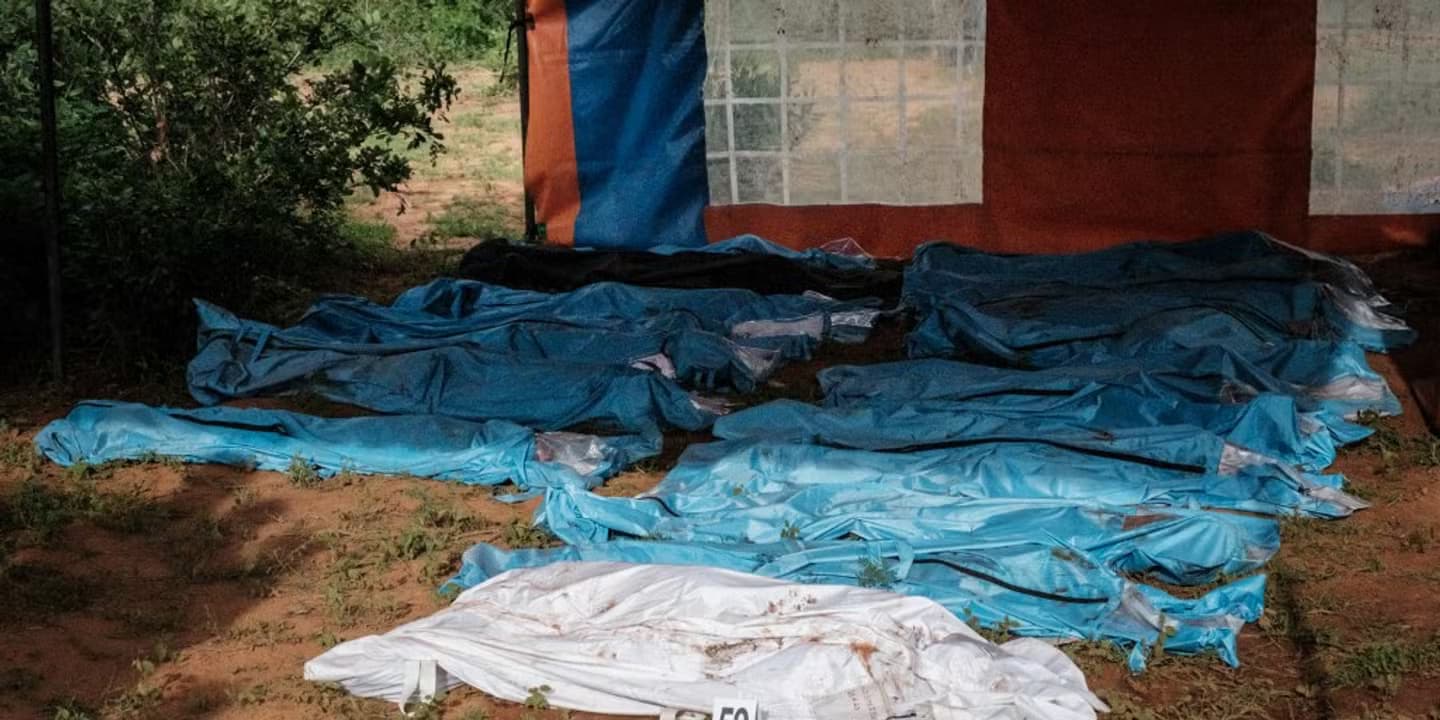
MALINDI, Kenya – On Tuesday, November 4, 2025, in a sombre procession marking another step in a long and painful journey, the Directorate of Criminal Investigations (DCI) released the remains of 10 more victims of the Shakahola massacre. The bodies, positively identified through a meticulous DNA matching process, were transported by a DCI vehicle from the Malindi Sub-County Hospital mortuary to their families in the Western and Nyanza regions for their final rites.
According to a statement from the DCI's Homicide Unit, the released victims included individuals from Likuyani, Malava, Butere, Emuhaya, and Kisii. This brings the total number of bodies released in the latest phase to 11, following a separate release to a family in Meru last week. The government is assisting the bereaved families, many of whom are financially strained, with the transport costs to ensure a dignified burial.
This small measure of closure for a few families comes against the backdrop of a national catastrophe of staggering scale. The Shakahola tragedy first came to light in March 2023, when authorities discovered mass graves in an 800-acre tract of forest in Kilifi County. The land was owned by Paul Nthenge Mackenzie, the self-proclaimed pastor of the Good News International Ministries, who is accused of instructing his followers to starve themselves and their children to death to “meet Jesus.”
While these 10 families can now begin the process of mourning, hundreds more remain in a state of agonizing uncertainty. The total death toll from the massacre has climbed to over 429, with some official counts from the fifth phase of exhumations in mid-2024 placing the number as high as 446. However, the task of identifying the victims has been a slow and complex forensic challenge. As of late October 2025, more than 300 bodies remained unidentified and unclaimed at the Malindi mortuary.
Chief Government Pathologist Dr. Johansen Oduor, who has led the forensic operation, has previously detailed the meticulous, multi-agency process involving pathologists, DCI officers, morticians, and the Red Cross. The process has been hampered by the advanced state of decomposition of many remains, which complicates DNA extraction, and a shortage of critical testing reagents that stalled the process earlier in the year. Authorities have repeatedly urged families with missing relatives believed to have joined the cult to come forward and provide DNA samples to aid the matching process. The government has even floated the possibility of a mass burial for the scores of unclaimed bodies, a prospect that underscores the profound difficulty in bringing this chapter to a close.
The human cost of this delay is immense. Stories like that of George Okaka, who waited two years to receive the remains of his wife and three of his five children who perished in the forest, illustrate the deep trauma inflicted on families torn apart by Mackenzie's extremist teachings.
As forensic teams work to give names to the dead, the Kenyan judicial system is grappling with the unprecedented legal case against Mackenzie and his alleged accomplices. Mackenzie, along with 94 co-accused, faces a battery of charges including murder, manslaughter, terrorism, and the torture and cruelty of children. The trial, which began in earnest in August 2024, is being heard in Mombasa and has already produced harrowing testimony.
Prosecutors have lined up over 420 witnesses to build their case. Survivors, including children who were rescued from the forest, have recounted being forced to fast, withdrawn from school, and subjected to violent beatings by cult enforcers if they tried to escape. Autopsy reports presented as evidence have confirmed the chilling accounts, revealing that while many died of starvation, others, particularly children, were strangled, suffocated, or beaten to death.
The case has also cast a harsh spotlight on the role of the state. In a scathing report released in March 2024, the Kenya National Commission on Human Rights (KNCHR), a state-funded watchdog, accused security and administrative officials in Kilifi of “gross abdication of duty and negligence.” The KNCHR stated that authorities had failed to act on credible, actionable intelligence and warnings from as early as 2019 that could have prevented the massacre. In response to the tragedy, President William Ruto established a task force in May 2023 to review the legal framework governing religious organizations in Kenya, aiming to close loopholes that allow extremist cults to operate.
For now, the nation watches as two parallel processes unfold: the slow, scientific process of returning victims to their families, and the complex legal battle to hold accountable those responsible for one of the worst cult-related tragedies in modern history.
Keep the conversation in one place—threads here stay linked to the story and in the forums.
Sign in to start a discussion
Start a conversation about this story and keep it linked here.
Other hot threads
E-sports and Gaming Community in Kenya
Active 9 months ago
The Role of Technology in Modern Agriculture (AgriTech)
Active 9 months ago
Popular Recreational Activities Across Counties
Active 9 months ago
Investing in Youth Sports Development Programs
Active 9 months ago