We're loading the full news article for you. This includes the article content, images, author information, and related articles.
The government releases Sh4.5 billion from the Sh175 billion fuel levy securitization fund to restart stalled Mombasa road projects, ending a months-long contractor strike.
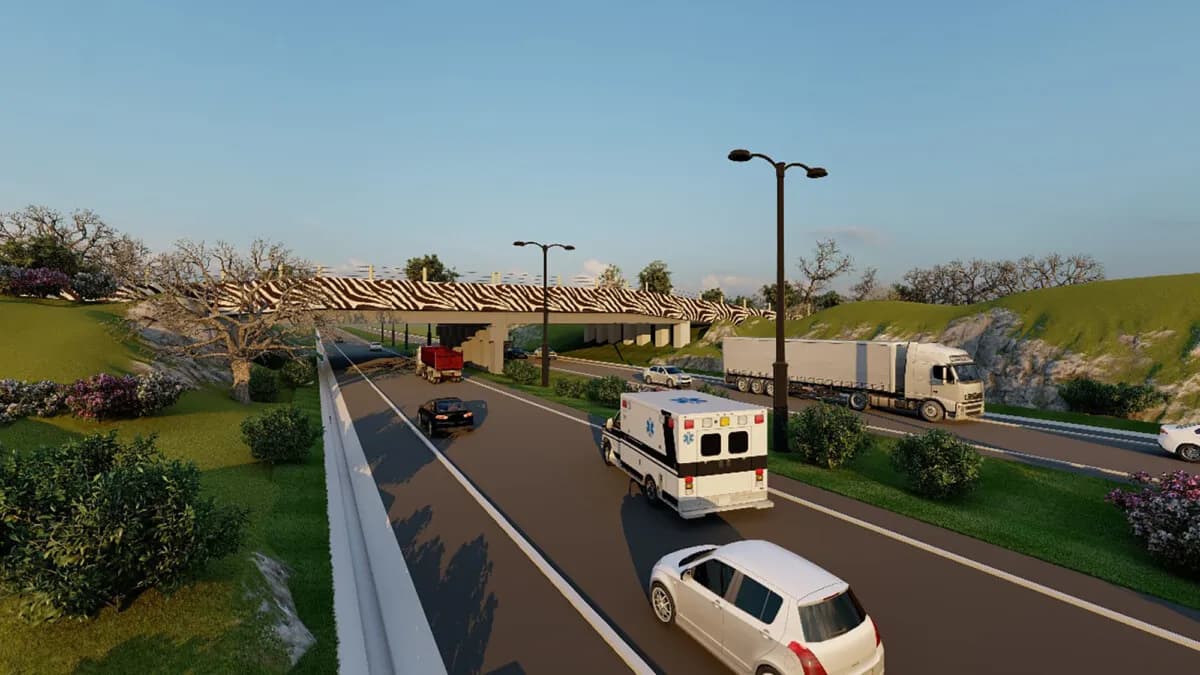
The ghostly silence that has haunted Mombasa’s construction sites for months is about to be shattered by the roar of heavy machinery. In a decisive financial maneuver, the government has unlocked a staggering Sh4.5 billion tranche specifically for the coastal city, part of a controversial yet critical Sh175 billion fuel levy securitization deal.
This liquidity injection marks the end of a crippling standoff between the Kenya Roads Board and unpaid contractors who had downed tools, leaving major thoroughfares like the Mombasa-Malindi highway in a state of dangerous disrepair. The funds, secured through a partnership with UBA Bank, effectively mortgage future fuel levy collections to provide immediate cash, a move Treasury argues is the only way to save the country’s crumbling infrastructure backbone.
The securitization model represents a paradigm shift in how Kenya funds its development.)By pledging Sh7 from every litre of fuel consumed directly to investors, the state has bypassed traditional borrowing constraints. For Mombasa, this means the immediate resumption of work on the Dongo Kundu bypass connectors and the congestion-prone Makupa causeway expansion.
However, economic purists warn that this "advance" on future revenue risks hollowing out the Kenya Roads Board’s coffers for the next decade. "We are eating our children’s lunch to pay for today’s dinner," noted one skeptical auditor, though conceding that for the stalled contractor, cash in hand is the only metric that matters.
With the long rains approaching in April, the race is on to pave vulnerable sections before the deluge renders them impassable. Governor Abdulswamad Nassir has welcomed the move but demanded strict oversight to ensure the billions are not diverted to "ghost projects" in the hinterland.
This Sh4.5 billion is not just asphalt and bitumen; it is a desperate bid to jumpstart the coastal economy which has been suffocated by logistical bottlenecks. Whether this financial engineering proves to be a masterstroke or a debt trap remains to be seen, but for now, the excavators are back in business.
Keep the conversation in one place—threads here stay linked to the story and in the forums.
Sign in to start a discussion
Start a conversation about this story and keep it linked here.
Other hot threads
E-sports and Gaming Community in Kenya
Active 9 months ago
The Role of Technology in Modern Agriculture (AgriTech)
Active 9 months ago
Popular Recreational Activities Across Counties
Active 9 months ago
Investing in Youth Sports Development Programs
Active 9 months ago