We're loading the full news article for you. This includes the article content, images, author information, and related articles.
Senegal introduces a controversial bill aiming to double prison terms for homosexuality, sending shockwaves across Africa and drawing sharp parallels with East Africa's legislative debates.
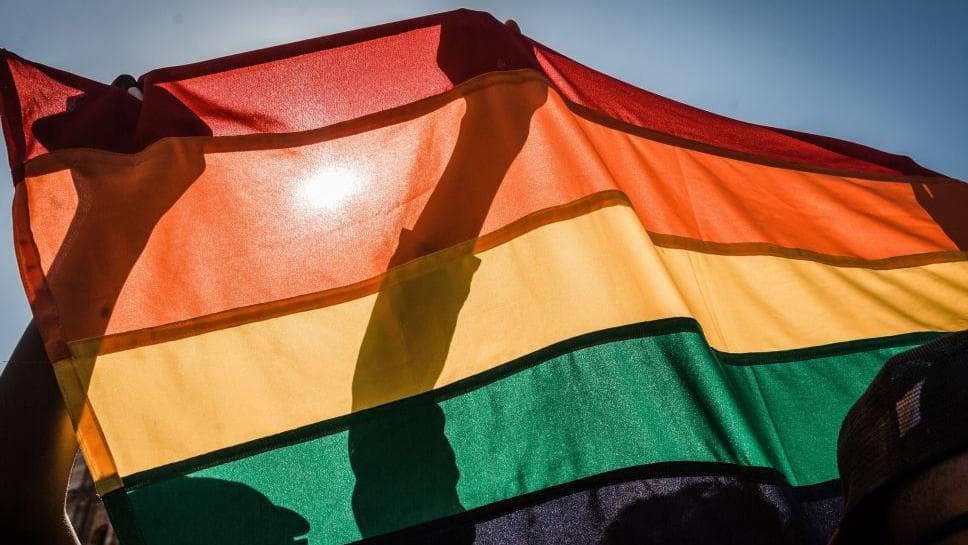
Senegal's Prime Minister has introduced a controversial legislative bill aiming to double prison terms for homosexuality, sending political shockwaves across the African continent and drawing sharp parallels with East Africa's own intensifying legislative debates on LGBTQ+ rights and cultural sovereignty.
The proposed legislation seeks to impose prison sentences of five to ten years for what it explicitly describes as "acts against nature." This marks a significant escalation in the West African nation's legal stance. The administration is signaling a definitive pivot toward stringent cultural conservatism, placing Dakar at the epicenter of a growing continental movement that frequently prioritizes traditional values over international human rights frameworks.
For geopolitical and economic observers based in Nairobi, the unfolding events in Dakar are not merely distant developments. They serve as a critical bellwether for the trajectory of similar legislative efforts closer to home. The economic and diplomatic ramifications of such policies are profound, threatening to reshape foreign direct investment flows and alter long-standing international aid paradigms across the continent.
Senegal has long maintained laws criminalizing same-sex relationships, but this new bill represents a dramatic tightening of the legal noose. By seeking to double the maximum prison sentence to ten years, the Prime Minister is responding to immense pressure from powerful domestic religious and conservative lobbying groups. This political maneuvering highlights the delicate balancing act African leaders face when navigating domestic popularity and international diplomatic obligations.
Human rights organizations have swiftly condemned the proposal, warning that it will trigger a severe crackdown on marginalized communities, exacerbating discrimination and limiting access to vital healthcare services. Despite these international outcries, the domestic reception in Senegal has been largely supportive, underscoring a deepening ideological divide between Western donor nations and African states asserting legislative independence.
The economic stakes of this legislative shift cannot be understated. International financial institutions and major bilateral donors have increasingly tied development assistance to human rights compliance. If the bill passes, Senegal risks facing targeted sanctions or aid conditionalities, a scenario that could strain its national budget and deter progressive multinational corporations from establishing regional headquarters in Dakar.
The echoes of Dakar's legislative push are resonating loudly within the corridors of power in East Africa. Kenya, Uganda, and Tanzania are closely monitoring the international fallout. Uganda's recent enactment of the Anti-Homosexuality Act has already resulted in significant economic repercussions, including the suspension of specific World Bank funding streams and exclusion from the African Growth and Opportunity Act (AGOA) trade preferences.
In Kenya, lawmakers have sporadically floated similar bills, often styled as "Family Protection" legislation. The debate surrounding these proposals frequently mirrors the rhetoric currently dominating Senegalese media. Proponents argue for the defense of African cultural heritage, while opponents highlight the constitutional guarantees of individual liberties and the devastating economic consequences of diplomatic isolation.
These economic vulnerabilities force East African policymakers into a precarious position. The desire to appease domestic conservative constituencies must be weighed against the stark reality of integrated global economies, where capital readily flees jurisdictions perceived as unstable or internationally ostracized.
The ongoing situation in Senegal perfectly encapsulates the modern African dilemma: the fierce assertion of national sovereignty against the conditionalities of global economic integration. African leaders increasingly view Western pressure on LGBTQ+ rights as a form of neo-colonial overreach, leveraging this narrative to consolidate domestic political support. However, the financial markets operate on a different set of metrics.
Foreign investors crave stability, predictability, and alignment with global corporate governance standards. Legislation that deliberately targets minority groups introduces a layer of socio-political volatility that risk analysts flag with concern. Furthermore, multinational companies operating in sectors like technology and finance often mandate inclusive workplace environments, creating an immediate operational conflict in countries with stringent anti-LGBTQ+ laws.
As Senegal debates this draconian bill, the rest of the continent watches with bated breath. The outcome will likely set a precedent for how African nations negotiate the complex intersection of cultural identity, human rights, and economic survival in a deeply interconnected world.
"The path forward requires a delicate diplomatic dance; one where sovereign nations must ultimately decide if the domestic political capital gained is worth the inevitable economic toll exacted by an observing international community."
Keep the conversation in one place—threads here stay linked to the story and in the forums.
Sign in to start a discussion
Start a conversation about this story and keep it linked here.
Other hot threads
E-sports and Gaming Community in Kenya
Active 9 months ago
The Role of Technology in Modern Agriculture (AgriTech)
Active 9 months ago
Popular Recreational Activities Across Counties
Active 9 months ago
Investing in Youth Sports Development Programs
Active 9 months ago