We're loading the full news article for you. This includes the article content, images, author information, and related articles.
Murang’a Senator Joe Nyutu dismisses the recent UDA-ODM 10-point agenda performance report as a superficial document lacking substantive accountability.

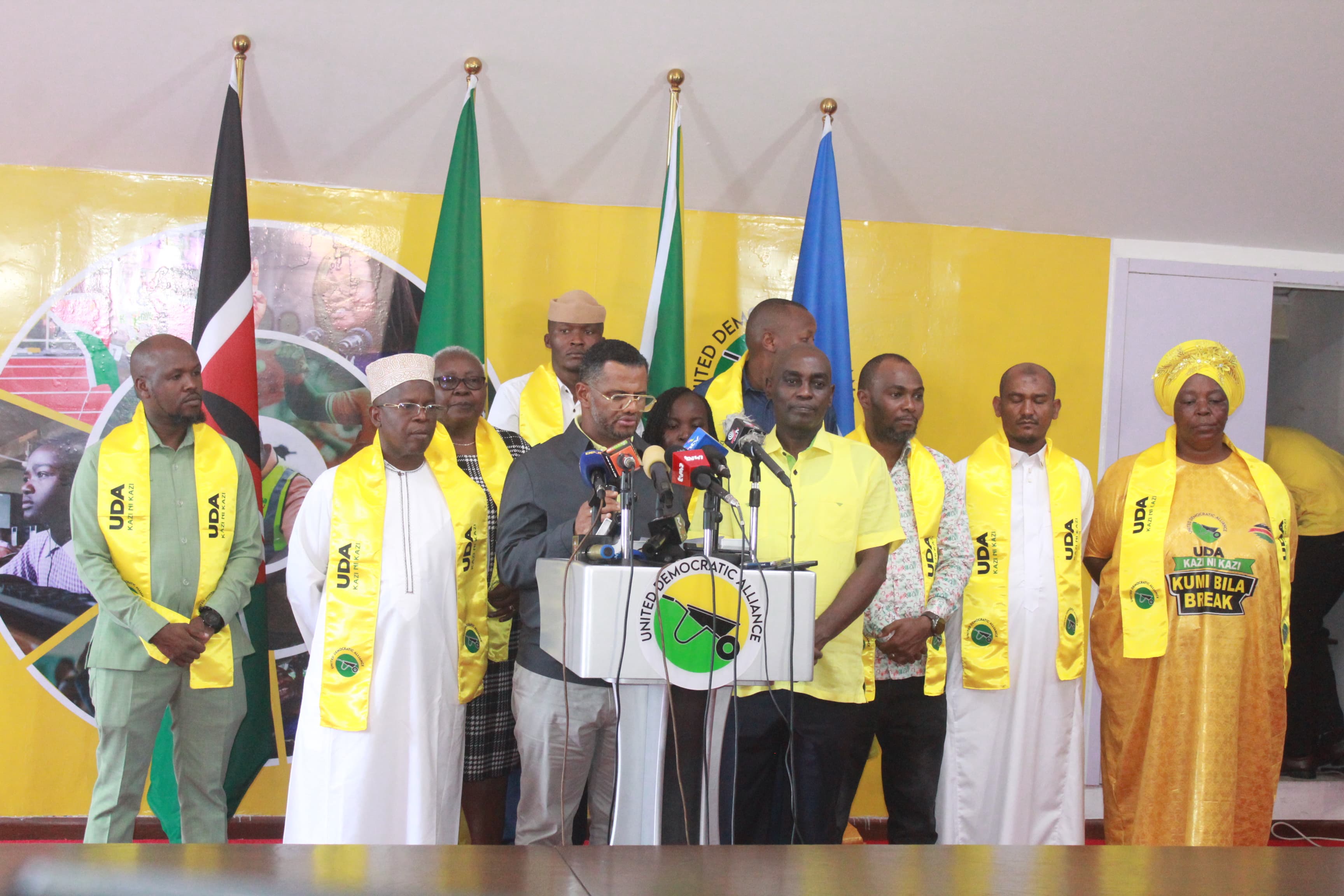
Murang’a Senator Joe Nyutu has launched a scathing critique of the newly released performance report on the 10-Point Agenda, dismissing the official document as a superficial collection of rhetoric that fails to address the substantive governance issues facing the nation. In a blunt assessment, the senator argued that the report—touted by the administration as a milestone in the cooperation between the United Democratic Alliance (UDA) and the Orange Democratic Movement (ODM)—falls significantly short of providing a transparent or measurable account of the coalition’s achievements over the past year.
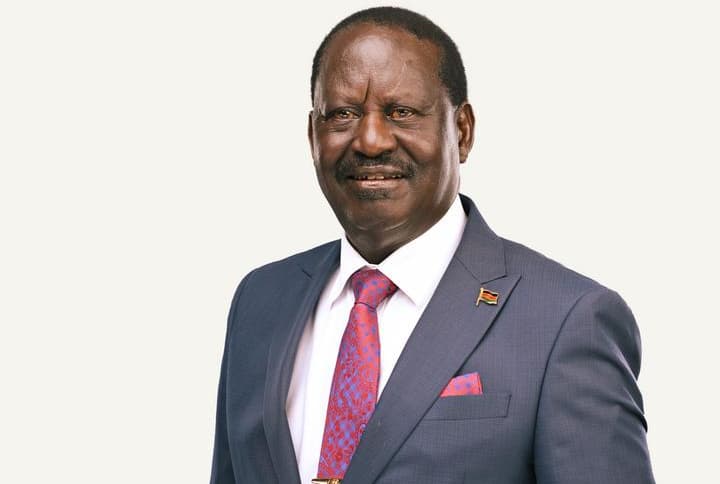
The controversy centers on the 10-Point Agenda, a political pact signed on March 7, 2025, by President William Ruto and the late ODM leader Raila Odinga. The agreement, intended to stabilize the country following periods of intense political polarization, committed the two parties to specific reforms, including electoral commission restructuring, debt auditing, and the protection of devolution. As the one-year anniversary of the pact arrived, the administration moved to present a status report to the public, aiming to demonstrate that the “broad-based” government approach is yielding tangible progress. For Nyutu and other skeptical voices, however, the report is an exercise in political branding rather than a rigorous audit of government performance.
During an appearance on a local political talk show on Wednesday, March 11, 2026, Senator Nyutu dissected the report, characterizing its content as detached from the lived reality of Kenyans. He specifically targeted the document’s methodology, noting that it conflates long-term government achievements dating back to 2023 with the specific milestones promised under the March 2025 coalition agreement. According to Nyutu, the report functions more as a ceremonial presidential address than a detailed policy evaluation, obfuscating the actual progress—or lack thereof—in critical areas like youth unemployment, the cost of living, and institutional integrity.
“Whoever wrote it just sat somewhere, looked at the UDA manifesto and various presidential speeches that William Ruto has made since he became president, then came up with some of the achievements,” Nyutu stated. The senator’s frustration reflects a broader discomfort within segments of the political class regarding the "broad-based" arrangement. While proponents argue that the pact has successfully cooled national tensions, skeptics like Nyutu contend that it has effectively diluted the opposition’s ability to conduct meaningful oversight, turning a critical governance relationship into an opaque political marriage.
The 10-point agenda was never merely a technical policy document it was a high-stakes political lifeline designed to navigate a volatile landscape of protests and fiscal instability. Key pillars of the agreement included the implementation of the National Dialogue Committee (NADCO) report, measures to fight corruption, and a restructuring of the Independent Electoral and Boundaries Commission (IEBC). However, nearly one year later, the implementation of these items remains a subject of intense debate.
For the administration, the report serves as proof of stability. Government representatives have pointed to initiatives like the expansion of the e-Citizen platform, the restructuring of the Ethics and Anti-Corruption Commission, and increased equitable share disbursements to counties as evidence of success. Yet, the disconnect between these administrative "wins" and the day-to-day challenges faced by ordinary citizens remains profound. In rural Murang’a and across urban centers like Nairobi, voters continue to grapple with high commodity prices, inconsistent public services, and lingering questions about the sustainability of the national debt.
The political tension is further exacerbated by the upcoming 2027 electoral cycle. Nyutu, who has consistently warned that the ODM-UDA cooperation risks causing disunity among coalition partners, views the report as a tactical maneuver to bolster the government’s image ahead of campaign season. By claiming ownership of these "achievements," the administration aims to solidify its narrative of national unity. Nyutu warns, however, that this strategy is transparent to a disillusioned electorate, arguing that political survival cannot be masked by recycled policy goals.
As the debate intensifies, the question of who provides the definitive audit of the 10-point agenda remains unresolved. If the government’s internal reports are viewed as self-serving and opposition voices like Nyutu’s are seen as purely antagonistic, the public is left with little objective data to judge the efficacy of the pact. Senator Nyutu’s intervention serves as a reminder that without independent, rigorous, and time-bound auditing of such political agreements, the promises made to the electorate risk becoming nothing more than empty rhetoric.
The administration now faces a critical junction. To maintain the credibility of the broad-based government, it must move beyond the current presentation of the 10-point agenda and offer a more granular, transparent update that acknowledges both the progress and the glaring gaps in the reform process. For Senator Nyutu and the growing faction of critics, the standard of proof is high: Kenyans are not asking for a summary of the manifesto, but for a clear account of how the last twelve months have measurably improved the nation’s democratic, social, and economic standing. Until that happens, the political fallout from this "underwhelming" report is likely to grow, casting further doubt on the viability of the ongoing UDA-ODM cooperation.
Keep the conversation in one place—threads here stay linked to the story and in the forums.
Sign in to start a discussion
Start a conversation about this story and keep it linked here.
Other hot threads
E-sports and Gaming Community in Kenya
Active 9 months ago
The Role of Technology in Modern Agriculture (AgriTech)
Active 9 months ago
Popular Recreational Activities Across Counties
Active 9 months ago
Investing in Youth Sports Development Programs
Active 9 months ago
Key figures and persons of interest featured in this article