We're loading the full news article for you. This includes the article content, images, author information, and related articles.
Kenyan county chiefs suffer a major legislative blow as the Senate blocks proposals for direct borrowing, citing mounting public debt and transparency concerns.
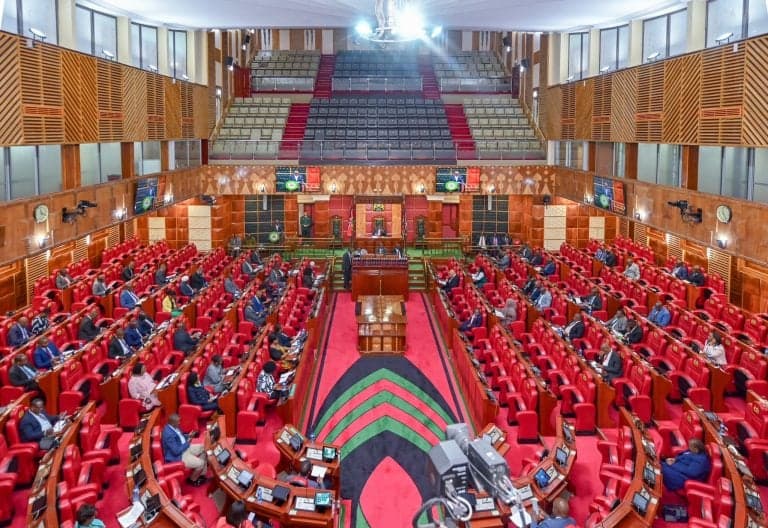
Kenyan county chiefs suffer a major legislative blow as the Senate blocks proposals for direct borrowing, citing mounting public debt and transparency concerns.
The Kenyan Senate has decisively thwarted an ambitious legislative push by the Council of Governors (CoG) that would have granted county governments the autonomy to borrow funds directly from domestic and international markets. The rejection highlights a growing rift between the national legislature and devolved units over financial management.
This decision is pivotal for the trajectory of Kenya's economic policy. As the national public debt continues to strain the exchequer, the Senate's move underscores a deep-seated apprehension regarding the fiscal discipline of county administrations, many of which have been repeatedly flagged by the Auditor General for gross financial mismanagement.
For years, county governors have aggressively lobbied for the right to incur debt independently of the National Treasury. Proponents of the initiative, spearheaded by vocal members of the CoG, argue that the current funding model—which relies heavily on delayed disbursements from the national government—stifles local development. They contend that access to credit markets would allow counties to finance massive infrastructure projects, from localized healthcare facilities to modernized agricultural processing plants.
However, the proposed legal framework required stringent oversight mechanisms, which the Senate deemed insufficient. Lawmakers argued that granting borrowing powers to all 47 counties could expose the country to severe macroeconomic risks, particularly given the volatile nature of the Kenyan Shilling (KES) and rising global interest rates.
The primary catalyst for the Senate's rejection stems from the alarming reports consistently produced by the Office of the Auditor General. An overwhelming majority of counties have struggled to account for billions of shillings allocated annually, raising severe red flags about their capacity to manage independent debt portfolios. Key concerns raised during the Senate debate include:
Senators vehemently argued that allowing governors to borrow directly would be akin to writing a blank check to administrations that have yet to demonstrate basic fiduciary responsibility. "We cannot decentralize corruption and expect the economy to thrive," noted one ranking Senator during a heated plenary session.
The National Treasury strongly backed the Senate's resolution. Facing pressure from the International Monetary Fund (IMF) and the World Bank to consolidate national debt, the Treasury has adopted a hardline stance against any measures that could inflate public liabilities. Kenya's public debt currently stands at trillions of shillings, consuming a massive chunk of ordinary revenue just for debt servicing.
Treasury officials reiterated that any borrowing by devolved units must be strictly aligned with national macroeconomic objectives. They proposed alternative financing models, such as public-private partnerships (PPPs) and municipal bonds, provided these instruments are subjected to rigorous national oversight and Treasury approval.
The Senate's rejection marks a significant setback for the devolution agenda. Governors have expressed profound frustration, claiming that the decision effectively infantilizes county governments and perpetuates a system of financial subjugation to Nairobi.
Despite the setback, the CoG has vowed to return to the drawing board to draft a revised framework that addresses the Senate's transparency concerns. "Devolution cannot be fully realized if we are treated like minor departments of the national government," stated a senior CoG representative.
"Financial independence requires absolute financial integrity; until the counties can balance their own checkbooks, the national vault remains securely locked," affirmed a Treasury insider, sealing the fate of the controversial proposal.
Keep the conversation in one place—threads here stay linked to the story and in the forums.
Sign in to start a discussion
Start a conversation about this story and keep it linked here.
Other hot threads
E-sports and Gaming Community in Kenya
Active 9 months ago
The Role of Technology in Modern Agriculture (AgriTech)
Active 9 months ago
Popular Recreational Activities Across Counties
Active 9 months ago
Investing in Youth Sports Development Programs
Active 9 months ago


