We're loading the full news article for you. This includes the article content, images, author information, and related articles.
Scientists at icipe have discovered that oils from locusts and crickets can stabilize and extend the effectiveness of plant-based mosquito repellents, offering a new, sustainable weapon against malaria.
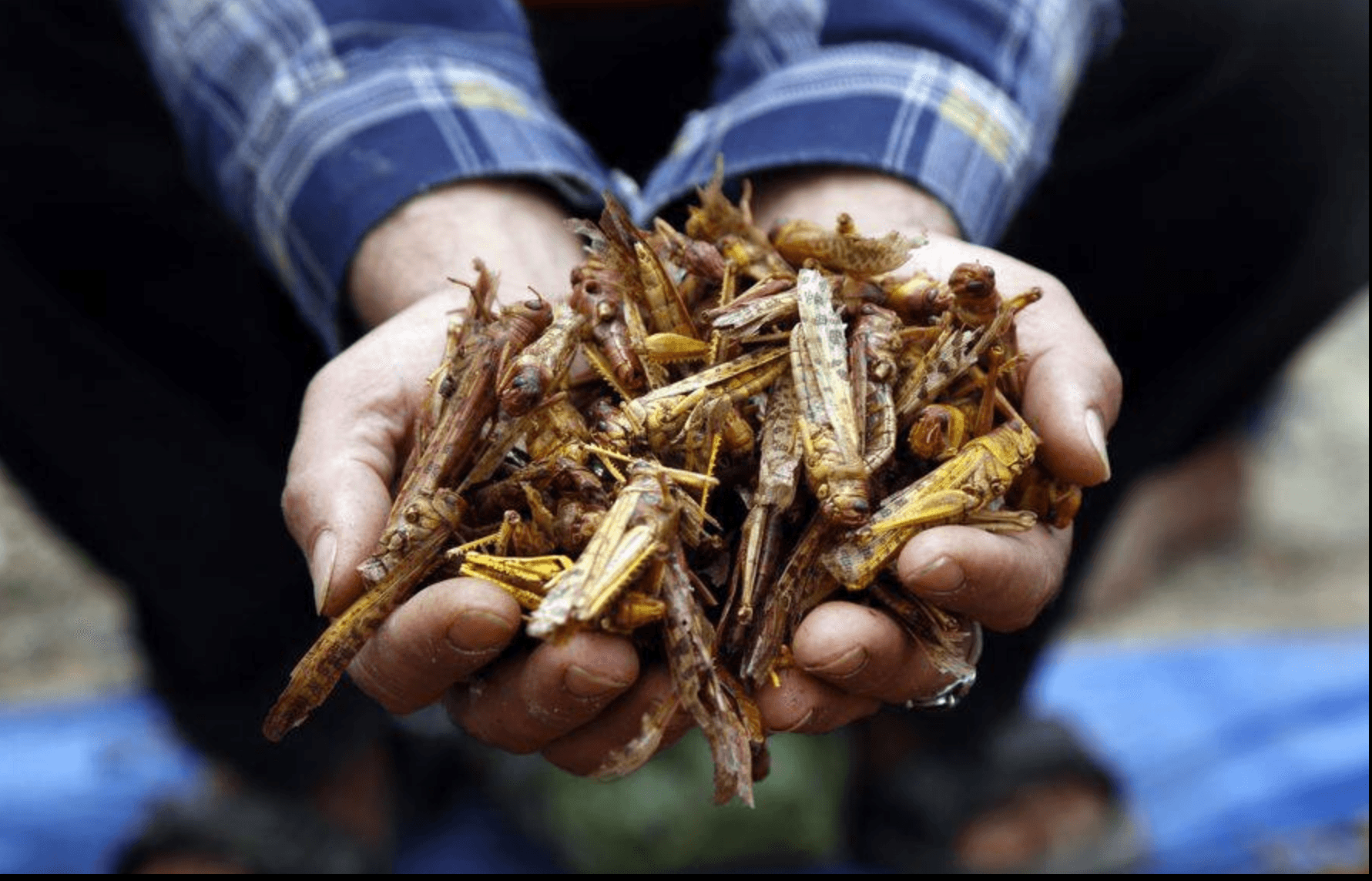
Kenyan scientists have uncovered an unlikely ally in the fight against malaria: the oils extracted from desert locusts and crickets.
In a groundbreaking study led by the International Centre of Insect Physiology and Ecology (icipe), researchers have found that these insect-derived oils can supercharge plant-based mosquito repellents. This discovery addresses the Achilles' heel of natural repellents—their tendency to evaporate too quickly—and offers a sustainable, potent alternative to synthetic chemicals.
The study, published in Scientific Reports, reveals that the heavy, stable nature of locust and cricket oils allows them to "trap" the volatile scents of botanical repellents like citronella. This synergy significantly extends the protection time against the malaria-carrying Anopheles mosquito.
"Nature provides its own solutions," an icipe researcher remarked. The finding transforms the narrative around locusts, viewing them not just as crop destroyers but as a bio-resource.
As mosquitoes develop resistance to existing synthetic insecticides, this bio-prospecting breakthrough could redefine malaria control strategies across the tropics. It is a triumph of African science—using local biodiversity to solve local health crises.
Keep the conversation in one place—threads here stay linked to the story and in the forums.
Sign in to start a discussion
Start a conversation about this story and keep it linked here.
Other hot threads
E-sports and Gaming Community in Kenya
Active 9 months ago
The Role of Technology in Modern Agriculture (AgriTech)
Active 9 months ago
Popular Recreational Activities Across Counties
Active 9 months ago
Investing in Youth Sports Development Programs
Active 9 months ago