We're loading the full news article for you. This includes the article content, images, author information, and related articles.
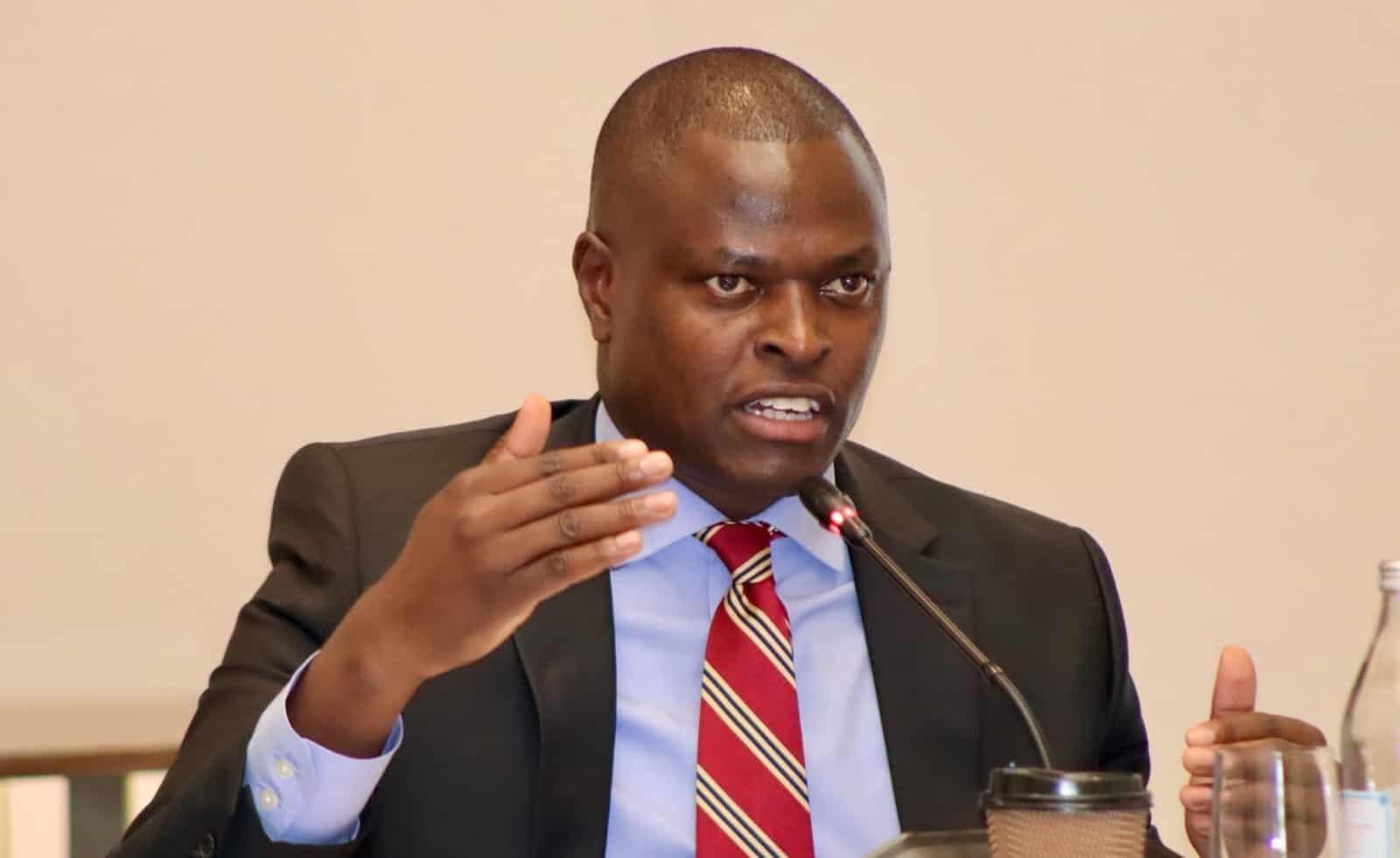
Budget Committee Chair Ndindi Nyoro draws a red line in the sand, warning that a rushed sale of state assets to "strategic investors" could cost the taxpayer billions.

Budget Committee Chair Ndindi Nyoro draws a red line in the sand, warning that a rushed sale of state assets to "strategic investors" could cost the taxpayer billions.
"Stop the sale." The command from Kiharu MP Ndindi Nyoro was simple, but its implications are billion-shilling complex. With the Treasury eyeing a quick disposal of 15% of Safaricom to plug budget holes, Nyoro has blown the whistle on what he terms a potential "raw deal" for Kenyans.
At the heart of this standoff is the valuation of Kenya's crown jewel. Selling at Ksh 34 when the true value sits north of Ksh 45 isn't just bad business; it's economic sabotage. Nyoro's demand for an international open tender is a direct challenge to the opaque "strategic" deals that have plagued Kenyan privatization for decades.
Nyoro, who chairs the powerful Budget and Appropriations Committee, appeared before a joint parliamentary committee to dissect the proposed sale. His argument is rooted in cold, hard math. The government proposes to sell its stake to a "strategic investor"—rumored to be a consortium of existing shareholders—at a discounted rate.
Nyoro argues that the shares are currently undervalued due to market manipulation and regulatory uncertainty. He estimates that selling at the current market price of roughly Ksh 34 would result in a loss of over Ksh 80 billion compared to the fair market value of Ksh 45 or more. "Why are we restricting ourselves to one buyer?" he posed. [...](asc_slot://start-slot-17)"If we must sell, let us sell to the highest bidder, not the nearest one."
Beyond the price, Nyoro highlighted a dangerous clause in the deal known as "conditions precedent." These are regulatory sweeteners—such as license fee waivers or tax breaks—offered to the buyer to close the deal. Nyoro warned that these hidden costs effectively transfer wealth from the public purse to private pockets.
He specifically pointed to a license renewal waiver that could cost the taxpayer another Ksh 40 billion. "We are selling the cow and giving away the milk for free," he argued. His insistence on an international competitive bidding process is designed to flush out these hidden subsidies and ensure the market, not backroom deals, determines the price.
Nyoro's stance is significant because it comes from within the government's own ranks. As a key ally of the President, his public opposition suggests a fracture in the economic strategy of the Kenya Kwanza administration. Is this a genuine principled stand, or a jostling for position in the succession politics of the mountain?
Regardless of the motive, the effect is the same: the sale has hit a roadblock. International investors are watching closely. If Kenya can execute this sale transparently, it could boost confidence. If it botches it, it will be yet another case study in the looting of African state assets.
"Safaricom is not a local kiosk.It is a global asset. Treat it like one," Nyoro warned, signaling that parliament will not be a rubber stamp for this deal.
Keep the conversation in one place—threads here stay linked to the story and in the forums.
Sign in to start a discussion
Start a conversation about this story and keep it linked here.
Other hot threads
E-sports and Gaming Community in Kenya
Active 9 months ago
The Role of Technology in Modern Agriculture (AgriTech)
Active 9 months ago
Popular Recreational Activities Across Counties
Active 9 months ago
Investing in Youth Sports Development Programs
Active 9 months ago
Key figures and persons of interest featured in this article