We're loading the full news article for you. This includes the article content, images, author information, and related articles.
As Parliament wraps up public participation, anxiety simmers over the Sh204 billion windfall and the legal vacuum awaiting the proceeds.
As Parliament wraps up public participation, anxiety simmers over the Sh204 billion windfall and the legal vacuum awaiting the proceeds.
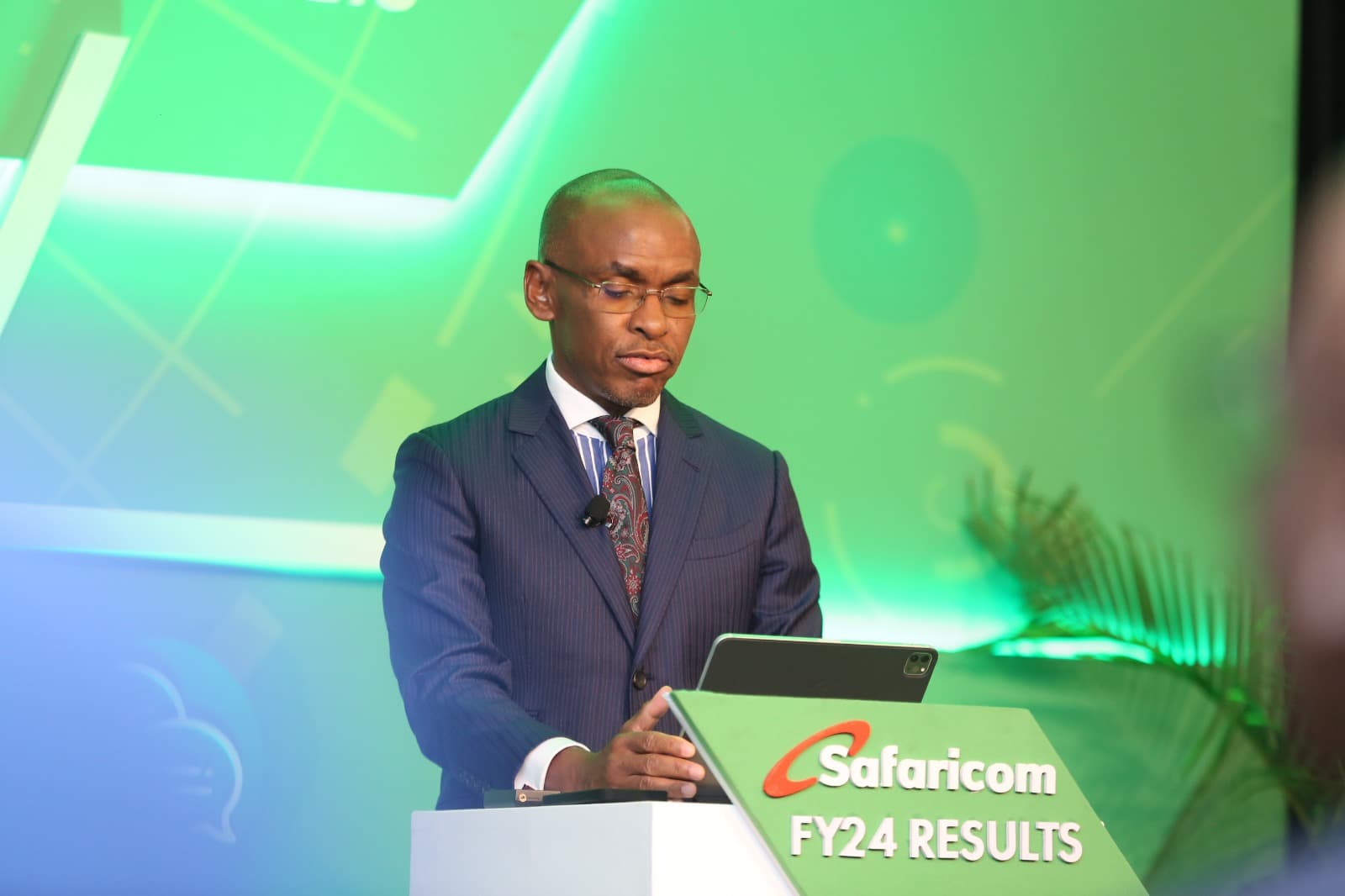
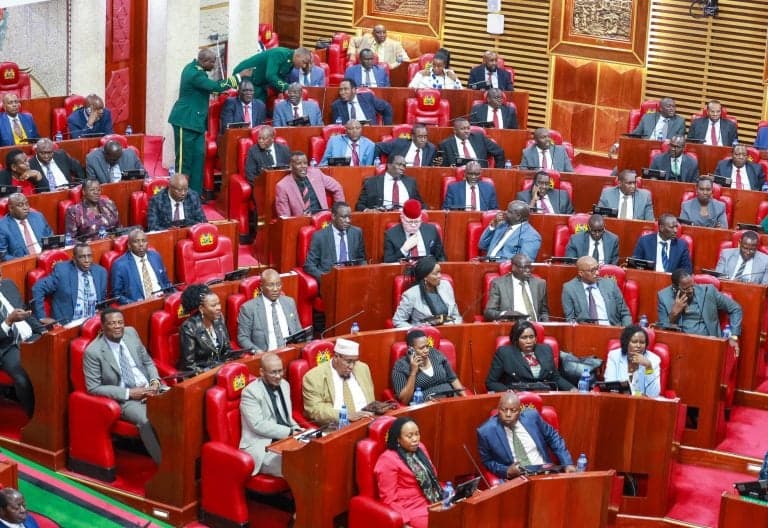
The gavel has fallen on the public hearings for what is arguably the most significant fiscal manoeuvre in Kenya's recent history: the sale of a 15 per cent government stake in the corporate behemoth, Safaricom.The Joint Departmental Committees on Finance and National Planning, alongside the Public Debt and Privatisation Committee, have concluded their tour of 30 counties. Yet, as the dust settles, the atmosphere is not one of relief, but of palpable anxiety.
At stake is Ksh 204 billion (approx. $1.57bn)—a lifeline for a cash-strapped Treasury desperate to fund infrastructure without deepening the national debt crisis. But the devil, as always, is in the details.
The Treasury proposes to offload approximately 6.01 billion shares, likely to a consortium involving Vodacom, reducing the state's strategic hold to just 20 per cent.The target price is set at Ksh 34 per share. On paper, it is a masterstroke of asset recycling. In reality, MPs and economic analysts warn it could be a "fire sale" into a legal black hole.
The crux of the controversy lies in the destination of the funds. The government has promised that the proceeds will be ring-fenced in a new "National Infrastructure Fund" to build roads, dams, and bridges. There is just one problem: The Fund does not legally exist.
MPs have rightfully raised the alarm that without the Infrastructure Fund Act being passed before the sale, the billions will flow directly into the Consolidated Fund. Once there, history suggests the money will be swallowed by recurrent expenditure—salaries, allowances, and debt servicing—leaving no tangible assets for future generations.
"We are selling the family silver to pay the electricity bill," remarked one dissenting voice during the Nairobi hearings. The fear is that by diluting its stake, the government loses leverage in a sector that is critical to national security and financial stability. As the committee retreats to write its report, the eyes of the nation—and foreign investors—are fixed on Parliament. They must decide whether this is a prudent financial restructure or a desperate gamble with Kenya's crown jewel.
Keep the conversation in one place—threads here stay linked to the story and in the forums.
Sign in to start a discussion
Start a conversation about this story and keep it linked here.
Other hot threads
E-sports and Gaming Community in Kenya
Active 9 months ago
The Role of Technology in Modern Agriculture (AgriTech)
Active 9 months ago
Popular Recreational Activities Across Counties
Active 9 months ago
Investing in Youth Sports Development Programs
Active 9 months ago
Key figures and persons of interest featured in this article