We're loading the full news article for you. This includes the article content, images, author information, and related articles.
Fresh tarmac in upscale suburbs signals a wider infrastructure blitz, with KES 204 million committed to the Mihango Bypass and critical upgrades underway in Embakasi.
For motorists and pedestrians long frustrated by the pothole-riddled stretches of Kilimani and Kileleshwa, relief has finally arrived in the form of fresh tarmac and upgraded drainage systems.
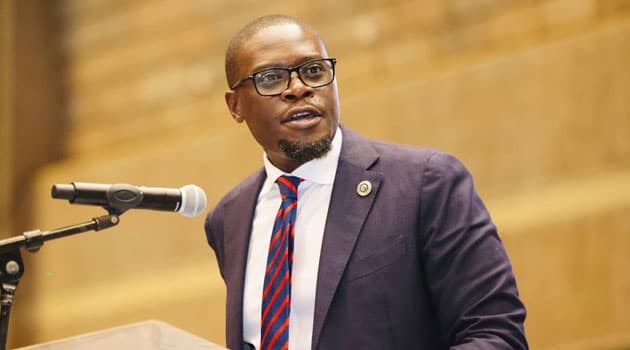
Nairobi Governor Johnson Sakaja’s Friday inspection of these upscale enclaves signals a broader acceleration of the county’s infrastructure strategy—a bid to standardize road quality across all 85 wards, from the leafy suburbs to the bustling streets of Eastlands.
The Governor’s tour covered the newly resurfaced Likoni Lane, Durham Road, and Gichugu Road, alongside critical sections of Argwings Kodhek Road. These upgrades are not merely cosmetic; they are designed to tackle the perennial twin headaches of city living: gridlock and flash flooding.
While the facelift in Kilimani enhances walkability in one of the city’s fastest-growing residential hubs, the administration emphasized that this is part of a synchronized effort covering all 17 sub-counties. Sakaja noted that the focus remains strictly on restoring long-neglected infrastructure where worn-out surfaces have choked economic activity.
Beyond the suburbs, heavy machinery is moving into the city’s most densely populated zones. The county is currently executing multi-million-shilling projects in Embakasi East, Embakasi West, and Umoja—areas that house the bulk of Nairobi’s workforce.
Key projects currently in the pipeline include:
To ensure these projects do not stall—a common plight in Nairobi’s history of public works—the county has restructured its oversight mechanism. The administration has deployed six Borough Managers, a move aimed at cutting bureaucratic red tape.
These managers are tasked with a clear mandate: coordinate development programs on the ground and ensure contractors deliver value for money. By decentralizing supervision, the county hopes to address ward-specific needs faster than the previous centralized model allowed.
With the machinery now rolling from the suburbs to the slums, the challenge shifts from laying tarmac to maintaining it—ensuring that a smooth drive in Kilimani is eventually matched by a passable commute in Komarock.
Keep the conversation in one place—threads here stay linked to the story and in the forums.
Sign in to start a discussion
Start a conversation about this story and keep it linked here.
Other hot threads
E-sports and Gaming Community in Kenya
Active 9 months ago
The Role of Technology in Modern Agriculture (AgriTech)
Active 9 months ago
Popular Recreational Activities Across Counties
Active 9 months ago
Investing in Youth Sports Development Programs
Active 9 months ago