We're loading the full news article for you. This includes the article content, images, author information, and related articles.
Governor Sakaja has initiated a strategic alignment with the national government, aiming to unlock resources and improve service delivery in Nairobi.

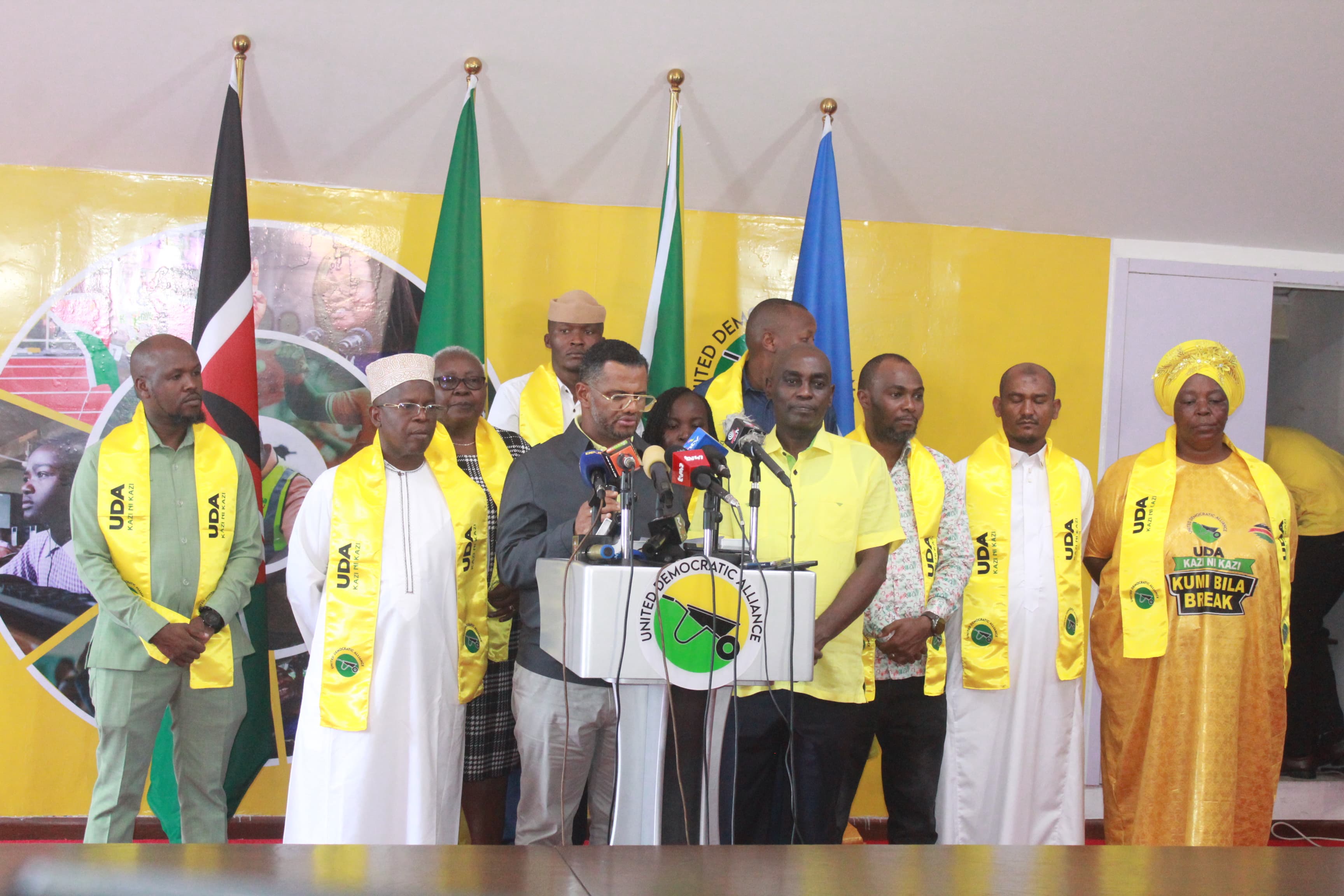
Governor Johnson Sakaja has convened his inaugural joint meeting following the landmark cooperation agreement between the Nairobi City County Government and the national administration, signaling a new, collaborative approach to managing the capital city's complex infrastructure and service demands.
In a strategic pivot that marks a departure from historical frictions, Governor Sakaja sat down with key national government stakeholders on Monday to operationalize a partnership that promises to reshape Nairobi's developmental trajectory. The meeting follows the February 17 signing of an Sh80 billion cooperation agreement at State House, a deal designed to harmonize the roles of the two levels of government in addressing the city's persistent service delivery bottlenecks.
For residents of Nairobi, the stakes could not be higher. The capital has long grappled with challenges ranging from waste management and erratic water supply to crumbling urban infrastructure. By formalizing this intergovernmental cooperation, the administration aims to bypass the political paralysis that has often plagued county-national relations, unlocking resources and technical capacity that a county budget alone cannot sustain.
Governor Sakaja was quick to clarify the nature of this collaboration, emphasizing that it is rooted in the Urban Areas and Cities Act and aims for synergy rather than a takeover. Unlike the controversial Nairobi Metropolitan Services (NMS) model of the past, this agreement is intended to maintain the autonomy of the devolved unit while leveraging national government expertise and funding for major capital projects.
The governor noted that Nairobi’s status as a capital city—and the seat of national power—necessitates a unique funding and management model. He argued that the standard equitable share formula, while essential for basic functions, is insufficient for a global financial hub that hosts the diplomatic community and millions of commuters daily.
The collaboration is expected to address several high-priority areas, including infrastructure and public safety. By aligning county efforts with national government projects, the administration hopes to streamline the repair of street lighting—often a point of contention between state and county mandates—and accelerate the rehabilitation of urban drainage systems to mitigate the impact of seasonal floods.
The move has been met with both optimism and skepticism. While the business community and some residents welcome the promise of improved services, opposition figures and certain MCAs have questioned the transparency of the oversight mechanisms. Governor Sakaja, however, remains steadfast, asserting that this cooperation is the only viable path to providing the services that Nairobians deserve, citing a requirement for "synergy, not rivalry."
As the joint secretariat begins its work, the city watches closely. Whether this pact succeeds will depend on the effective execution of projects on the ground and the sustained political goodwill between the county and the state—a fragile but necessary dynamic in the pursuit of a modern, functioning Nairobi.
"This coordination is long overdue. Nairobi cannot be financed and run just like any other county; it is the face of Kenya," Governor Sakaja remarked following the session.
Keep the conversation in one place—threads here stay linked to the story and in the forums.
Sign in to start a discussion
Start a conversation about this story and keep it linked here.
Other hot threads
E-sports and Gaming Community in Kenya
Active 9 months ago
The Role of Technology in Modern Agriculture (AgriTech)
Active 9 months ago
Popular Recreational Activities Across Counties
Active 9 months ago
Investing in Youth Sports Development Programs
Active 9 months ago