We're loading the full news article for you. This includes the article content, images, author information, and related articles.
Kajiado Senator Kanar Seki leads a Senate push to investigate safety protocols at the Bomas of Kenya amid growing fears over construction site negligence.
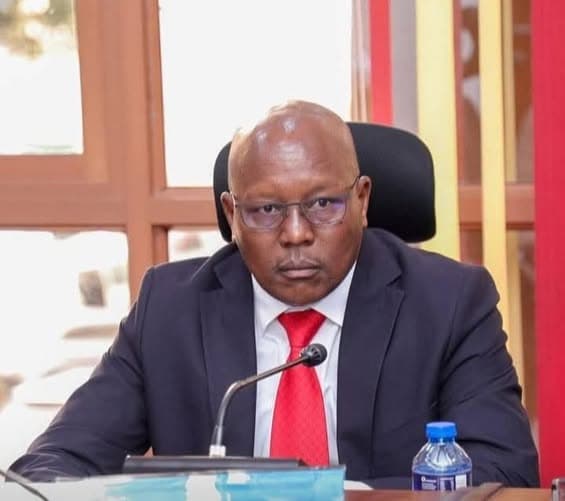
Shadows are lengthening over the iconic Bomas of Kenya as construction activity accelerates, but not all is well within the perimeter of the cultural landmark. Kajiado Senator Kanar Seki has officially petitioned the Senate Standing Committee on Labour and Social Welfare to launch an immediate inquiry into safety protocols, citing an alarming potential for disaster at the site.
For the thousands of Kenyans who visit this national repository of culture, the construction is a sign of progress, but for those working on the scaffolding or living in the immediate vicinity, it has become a source of profound anxiety. Senator Seki’s intervention, filed in the Senate chambers this week, forces a critical confrontation between the pace of infrastructure development and the non-negotiable standards of occupational safety. The inquiry seeks to determine whether the current works meet the rigorous requirements set by the National Construction Authority, raising the stakes for contractors, project managers, and regulatory bodies alike.
The Senate Standing Committee on Labour and Social Welfare now faces a complex task: unpicking the layers of subcontracting and oversight that define modern large-scale construction in Nairobi. Senator Seki has specifically requested that the committee interrogate the project lead contractors regarding the adherence to the Occupational Safety and Health Act of 2007, a cornerstone of Kenyan labor law that is frequently overlooked in the rush to meet completion deadlines.
The legislator’s motion comes at a time when the Senate is under intense public pressure to prove its utility in checking the executive and private sector operations. If the committee finds that safety protocols were bypassed, the legislative body holds the power to recommend the halting of construction until compliance is achieved. This is a significant test of the Senate’s influence over infrastructure projects that hold both cultural and economic value.
The urgency in Senator Seki’s appeal is informed by the grim history of construction fatalities in Kenya. Over the past decade, Nairobi has witnessed a series of building collapses that have claimed scores of lives, with investigations frequently pointing to a cocktail of substandard materials and a blatant disregard for safety regulations. By targeting the Bomas of Kenya site, Seki is signaling that no project, regardless of its prestige or public significance, is exempt from the scrutiny required to protect Kenyan citizens.
Economists and urban planners have long warned that the rapid expansion of the capital city often outpaces the capacity of the NCA to conduct site inspections. With thousands of ongoing construction projects across the Nairobi Metropolitan Area, safety auditors are spread thin. This reality makes the Senate’s intervention not just a political maneuver, but a necessary stop-gap measure to ensure that institutional oversight fills the void left by overburdened regulatory agencies.
Beyond the blueprints and the legislative jargon lies the human cost. For the casual laborers working at the Bomas site, safety is not an abstract policy debate but a daily calculation of survival. Often hailing from rural counties seeking employment in the capital, these workers are frequently the most vulnerable participants in the construction sector, lacking formal contracts, health insurance, or access to the protective gear mandated by international standards such as those set by the International Labour Organization.
Professor John Njoroge, an urban safety consultant based in Nairobi, notes that the problem is systemic. He argues that when senators focus on high-profile sites like Bomas, they draw national attention to the precariousness of blue-collar labor in Kenya. If the Senate successfully forces a change in the safety culture at Bomas, it could set a powerful precedent for other private and public projects across the nation, effectively raising the cost of non-compliance for contractors who currently view safety fines as a mere cost of doing business.
The Senate Standing Committee on Labour and Social Welfare is expected to summon the project contractors for a preliminary hearing within the next fourteen days. This hearing will be closely watched by labor unions and human rights groups, who are demanding transparency in the procurement and management of the Bomas site. The outcome of these proceedings will determine whether the Senate is merely performing symbolic oversight or if it possesses the teeth to mandate meaningful change in the construction sector.
As the capital continues to transform, the intersection of Bomas’s cultural heritage and its modern structural challenges remains a flashpoint for debate. The question is no longer just about the timeline of the project, but about the value placed on human life within the machinery of development. Whether the Senate can bridge the gap between promises of progress and the reality of site safety will be the defining metric of this inquiry.
Keep the conversation in one place—threads here stay linked to the story and in the forums.
Sign in to start a discussion
Start a conversation about this story and keep it linked here.
Other hot threads
E-sports and Gaming Community in Kenya
Active 10 months ago
The Role of Technology in Modern Agriculture (AgriTech)
Active 10 months ago
Popular Recreational Activities Across Counties
Active 10 months ago
Investing in Youth Sports Development Programs
Active 10 months ago