We're loading the full news article for you. This includes the article content, images, author information, and related articles.
Safaricom CEO Peter Ndegwa defends the state’s 15% stake sale to Vodacom, assuring MPs that the KSh 204 billion deal will not compromise the telco’s Kenyan identity or data sovereignty.

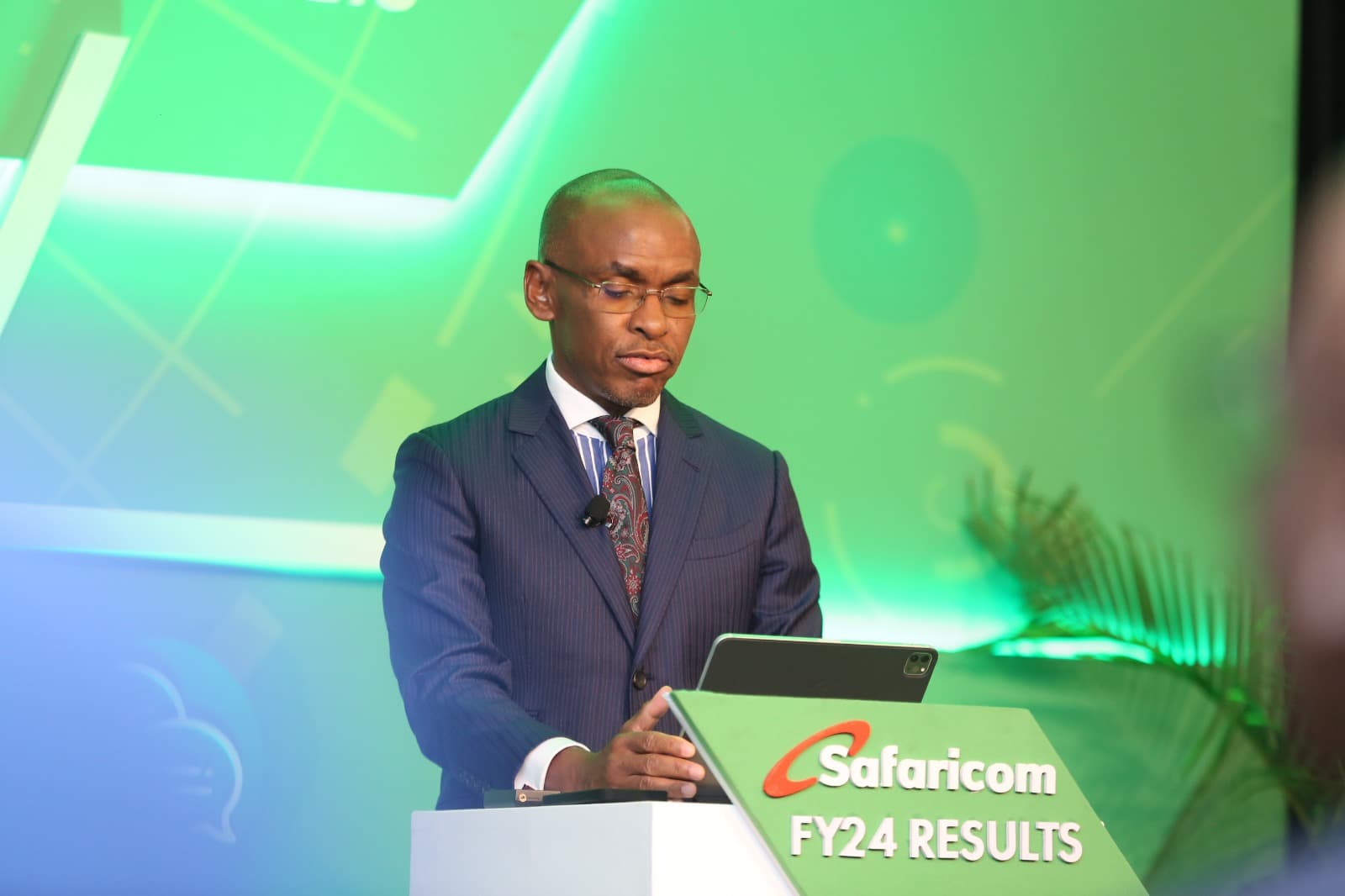
Safaricom PLC CEO Peter Ndegwa has moved to quell a rising tide of economic anxiety, categorically stating that the government’s controversial decision to offload a 15% stake to Vodacom Group will not strip the telco of its Kenyan identity. In a high-stakes appearance before the National Assembly, Ndegwa insisted the deal is a "shareholder realignment," not a surrender of sovereignty.
The proposed sale, which would see the National Treasury reduce its holding from 35% to 20%, is designed to raise a staggering KSh 204.3 billion for the President’s pet project—the National Infrastructure Fund. While the state eyes the cash to plug budget deficits, critics argue this is a "mortgage of the future," fearing that ceding more ground to the South African-based Vodacom (which would own 55%) could compromise Kenya’s data security and M-PESA’s strategic autonomy.
Addressing the joint Parliamentary Committees on Finance and Public Debt, Ndegwa dismantled the narrative of foreign takeover with surgical precision. He emphasized that the company’s "nerve center" remains firmly in Nairobi.
"Let us be clear: capital has no passport, but regulation does," Ndegwa told MPs."Safaricom remains a Kenyan company, listed on the Nairobi Securities Exchange (NSE), and subject to the hawk-eyed oversight of the Central Bank of Kenya (CBK) and the Communications Authority. No amount of share transfer changes the fact that our license is domiciled here."
The backdrop to this sale is a government desperate for liquidity. By liquidating this asset, the administration hopes to unlock capital for roads and dams without taking on more expensive commercial debt. However, losing the annual dividend flow from that 15% stake—historically the Treasury’s "cash cow"—is a gamble that could haunt future budgets.
As the deal moves to the regulatory approval stage, the market is watching closely. For the common mwananchi, the ownership structure matters less than the service; but for Kenya’s economic strategists, this is a pivotal moment where the balance of power in East Africa’s most profitable company is shifting south.
Keep the conversation in one place—threads here stay linked to the story and in the forums.
Sign in to start a discussion
Start a conversation about this story and keep it linked here.
Other hot threads
E-sports and Gaming Community in Kenya
Active 9 months ago
The Role of Technology in Modern Agriculture (AgriTech)
Active 9 months ago
Popular Recreational Activities Across Counties
Active 9 months ago
Investing in Youth Sports Development Programs
Active 9 months ago
Key figures and persons of interest featured in this article