We're loading the full news article for you. This includes the article content, images, author information, and related articles.
The telecommunications giant's robust domestic growth, powered by M-Pesa and data, is funding its high-stakes expansion into Ethiopia, where narrowing losses signal a potential long-term payoff for the region's most profitable company.

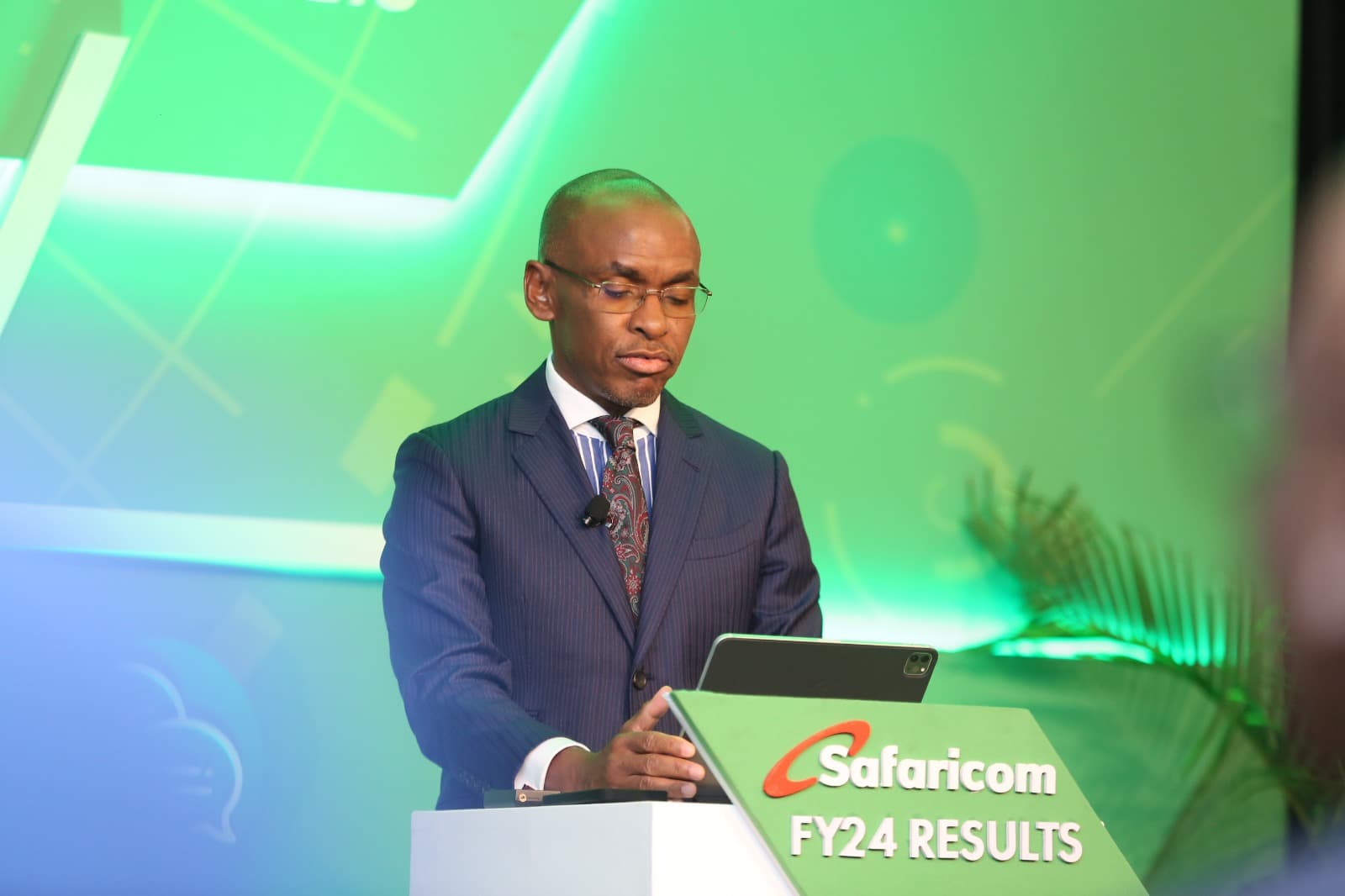
Safaricom PLC announced a landmark 52.1% surge in its half-year group net profit to Sh42.8 billion for the period ending September 30, 2025, according to financial results released on Thursday, November 6, 2025. The remarkable growth was driven by the stellar performance of its Kenyan operations, which effectively subsidized the significant, yet narrowing, losses from its ambitious venture in Ethiopia.
The company's Kenyan unit remained the powerhouse of profitability, posting a 22.6% increase in net income to Sh58.2 billion, up from Sh47.5 billion in the same period last year. This strong domestic performance underscores the resilience of the Kenyan market and the telco's deepening entrenchment in the country's digital economy.
The growth in Kenya was primarily fueled by the continued dominance of M-Pesa and a strategic shift in revenue streams. For the first time in the company's history, mobile data revenue surpassed voice revenue. Mobile data revenue grew by 18.2% to reach Sh44.4 billion, while traditional voice revenue saw a marginal increase of 0.5% to Sh41.1 billion. This crossover signifies a fundamental change in consumer behavior and Safaricom's successful transition towards a data-led future.
M-Pesa continues to be the group's cash cow, with revenue from the mobile money service growing by 14% to Sh88.1 billion. The platform now accounts for 45% of the total service revenue, processing a staggering Sh20 trillion in transaction value during the six-month period. "The M-Pesa ecosystem continues to expand, with growing volumes and value transacted," said Dilip Pal, Safaricom's Chief Financial Officer, at a briefing in Nairobi.
While the Kenyan market provides stability and profit, Safaricom's long-term growth strategy is heavily invested in Ethiopia. The company's subsidiary there, Safaricom Telecommunications Ethiopia (STE), has made significant strides but continues to operate at a loss. However, these losses have been sharply curtailed. For the half-year, the net loss attributed to the Ethiopian unit fell by over 50%, down to Sh13.3 billion from Sh28.2 billion in the previous year.
Safaricom's Group CEO, Peter Ndegwa, expressed confidence in the venture. "In Ethiopia, currency reforms are starting to create a more liquid market and losses in our business have reduced... even as current and pricing reform challenges persist," Ndegwa stated. The Ethiopian operation saw its revenue surge by 136% to Sh6.2 billion and nearly doubled its subscriber base to 11.1 million active customers. The company's total investment in Ethiopia has surpassed $2.27 billion as it builds out its 4G network, which now covers over half the population.
Safaricom's strategy presents a clear narrative: the mature, highly profitable Kenyan business is generating the capital required to conquer a new frontier market of over 120 million people. This regional expansion is crucial for Safaricom's future growth as the Kenyan market approaches saturation. The success of the Ethiopian venture could cement Safaricom's position as a dominant pan-African technology company, creating new revenue streams and increasing shareholder value. Conversely, the high capital expenditure—Sh9.5 billion in Ethiopia for the half-year—and operational losses continue to weigh on the group's overall bottom line, a factor closely watched by investors on the Nairobi Securities Exchange (NSE).
The group's total service revenue grew by 11.1% to Sh199.9 billion. Mr. Ndegwa affirmed the company's direction, stating, "This is a strong set of results, and a solid start to our Vision 2030 strategy cycle... We remain focused on executing our strategy through segment-led execution and integrated solutions." The company maintained its full-year earnings guidance, signaling confidence that the positive momentum in both Kenya and Ethiopia will continue.
Keep the conversation in one place—threads here stay linked to the story and in the forums.
Sign in to start a discussion
Start a conversation about this story and keep it linked here.
Other hot threads
E-sports and Gaming Community in Kenya
Active 9 months ago
The Role of Technology in Modern Agriculture (AgriTech)
Active 9 months ago
Popular Recreational Activities Across Counties
Active 9 months ago
Investing in Youth Sports Development Programs
Active 9 months ago
Key figures and persons of interest featured in this article