We're loading the full news article for you. This includes the article content, images, author information, and related articles.
Treasury CS John Mbadi defends the controversial plan to sell a 15% stake in Safaricom to Vodacom, sparking fears over data sovereignty and the loss of a national strategic asset.
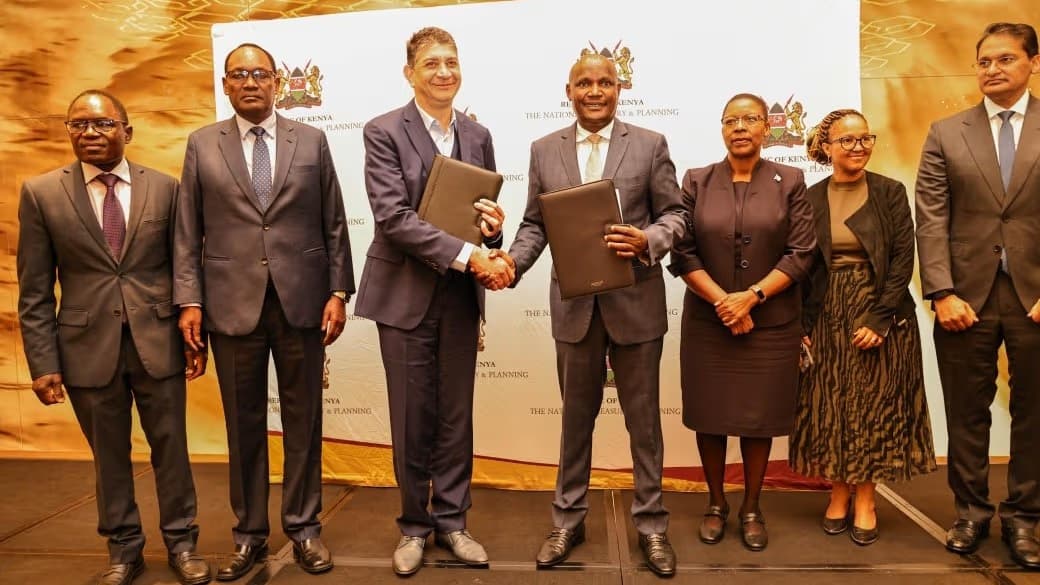
The Kenyan government’s proposal to sell a 15% stake in Safaricom to Vodacom has ignited a firestorm of controversy, with critics labeling it a "sovereign surrender" of the country’s most strategic asset.
In a tense joint sitting of the Departmental Committee on Finance and National Planning, Treasury Cabinet Secretary John Mbadi faced a barrage of questions regarding the potential "state capture" of Kenya’s digital ecosystem. The proposed divestiture, aimed at raising KES 204.3 billion to plug infrastructure deficits, would see the state’s shareholding shrink from 35% to 20%, effectively ceding majority control to the South Africa-based Vodacom Group.
For the Treasury, the mathematics is simple: the country needs cash, and it needs it now. CS Mbadi argued that the funds are critical for "commercially viable" projects, including the construction of 2,500 kilometers of roads and 50 mega-dams. "This Fund is not meant to cure inequality," Mbadi told lawmakers, "It is meant to take out projects from our national budget so that others can survive."
However, the Kenya National Chamber of Commerce and Industry (KNCCI) has sounded the alarm. They argue that Safaricom is not just a telco; it is the nervous system of the Kenyan economy. With M-Pesa processing over KES 25 trillion annually—equivalent to more than double the country's GDP—handing over control to a foreign entity poses a direct threat to national economic sovereignty.
The deal comes at a time when the government is desperate to avoid a sovereign default. While Mbadi describes the recent Eurobond refinancing as a stroke of "luck" rather than economic wizardry, the sale of Safaricom shares feels like a desperate gamble. By reducing its stake, the government is essentially betting that infrastructure projects will generate enough economic activity to replace the lost Safaricom dividends. It is a high-stakes poker game played with the country's crown jewel.
As the debate moves to the floor of the National Assembly, MPs face a critical choice: approve the sale and unlock billions for development, or block it to protect Kenya’s digital sovereignty. For the millions of Kenyans who live and die by M-Pesa, the decision is personal.
Keep the conversation in one place—threads here stay linked to the story and in the forums.
Sign in to start a discussion
Start a conversation about this story and keep it linked here.
Other hot threads
E-sports and Gaming Community in Kenya
Active 9 months ago
The Role of Technology in Modern Agriculture (AgriTech)
Active 9 months ago
Popular Recreational Activities Across Counties
Active 9 months ago
Investing in Youth Sports Development Programs
Active 9 months ago
Key figures and persons of interest featured in this article