We're loading the full news article for you. This includes the article content, images, author information, and related articles.
The National Assembly has reopened the floor for a high-stakes debate on Sessional Paper No. 3, as the state moves to sell a chunk of its crown jewel to fund infrastructure.
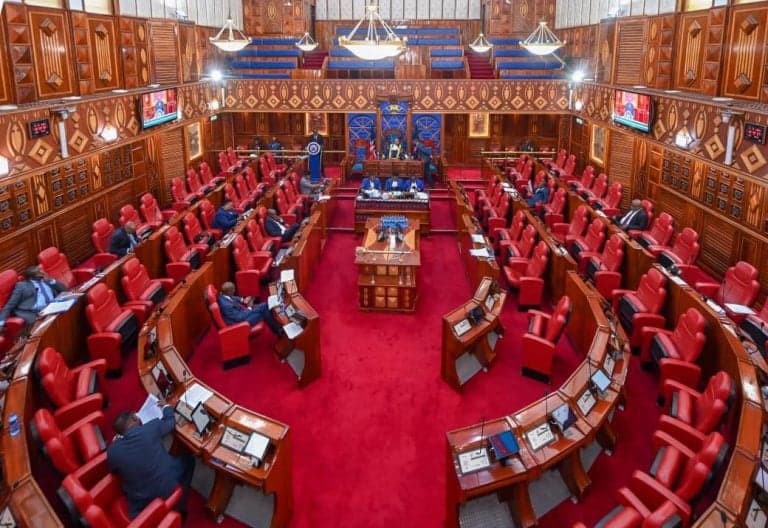
The National Assembly has resumed public participation hearings on Sessional Paper No. 3 of 2025, the Treasury-backed policy proposal seeking approval for the partial divestiture of the Government of Kenya’s shareholding in Safaricom PLC.
At the centre of the hearings is a plan for the State to sell 15% out of its current 35% stake—a transaction the Treasury says would raise about KES 204 billion (≈$1.57bn) and help capitalise an infrastructure-focused financing vehicle.
Multiple credible reports and official statements describe the same core parameters:
Stake on offer: 15% of Safaricom (about 6.01 billion shares).
Implied price & proceeds: Treasury has cited Sh34 per share in the proposal, yielding roughly Sh204bn in proceeds.
Post-sale government holding: The State would retain 20% (down from 35%).
Buyer under discussion: The transaction has been framed in reporting as a sale to Vodacom Group, which would rise to a majority position if the deal proceeds as structured.
On process, Parliament has organised county-level public hearings running February 3–14, 2026, with reports indicating consultations across 30 counties.
The official policy argument is fiscal: convert a high-performing financial asset into funding for long-term development, while avoiding further debt build-up and politically toxic tax increases.
Treasury communications state the proceeds are intended to seed an infrastructure-focused fund (and related vehicles), channelled toward projects such as roads, energy and water—framed as a shift from recurrent pressure to development financing.
The Cabinet’s backing for new funds designed to finance big projects without expanding public borrowing has also been reported by Reuters, with the Safaricom sale explicitly cited as part of the initial capital plan.
The hearings are unfolding against a familiar Kenyan tension: the State’s urgent cash needs versus the political and strategic meaning of Safaricom.
Key objections emerging in coverage include:
Strategic control and “digital sovereignty” concerns
Safaricom is not just a telco; it sits at the core of Kenya’s digital economy through M-Pesa and national connectivity. Critics argue that reducing the State’s shareholding could weaken Kenya’s leverage in a company many view as quasi-utility infrastructure.
Value-for-money and pricing transparency
Some stakeholders—including professional bodies and industry voices—have questioned whether Sh34appropriately prices the stake, arguing the valuation methodology and sale design require tougher scrutiny.
Loss of future dividends
A recurring critique is that Kenya could be trading a reliable dividend stream for a one-off inflow—especially painful during tight fiscal cycles.
Use-of-proceeds credibility
Even if the plan earmarks funds for infrastructure, sceptics want enforceable safeguards: ring-fencing, independent governance, auditability, and clarity on what counts as “infrastructure” to prevent drift into recurrent spending.
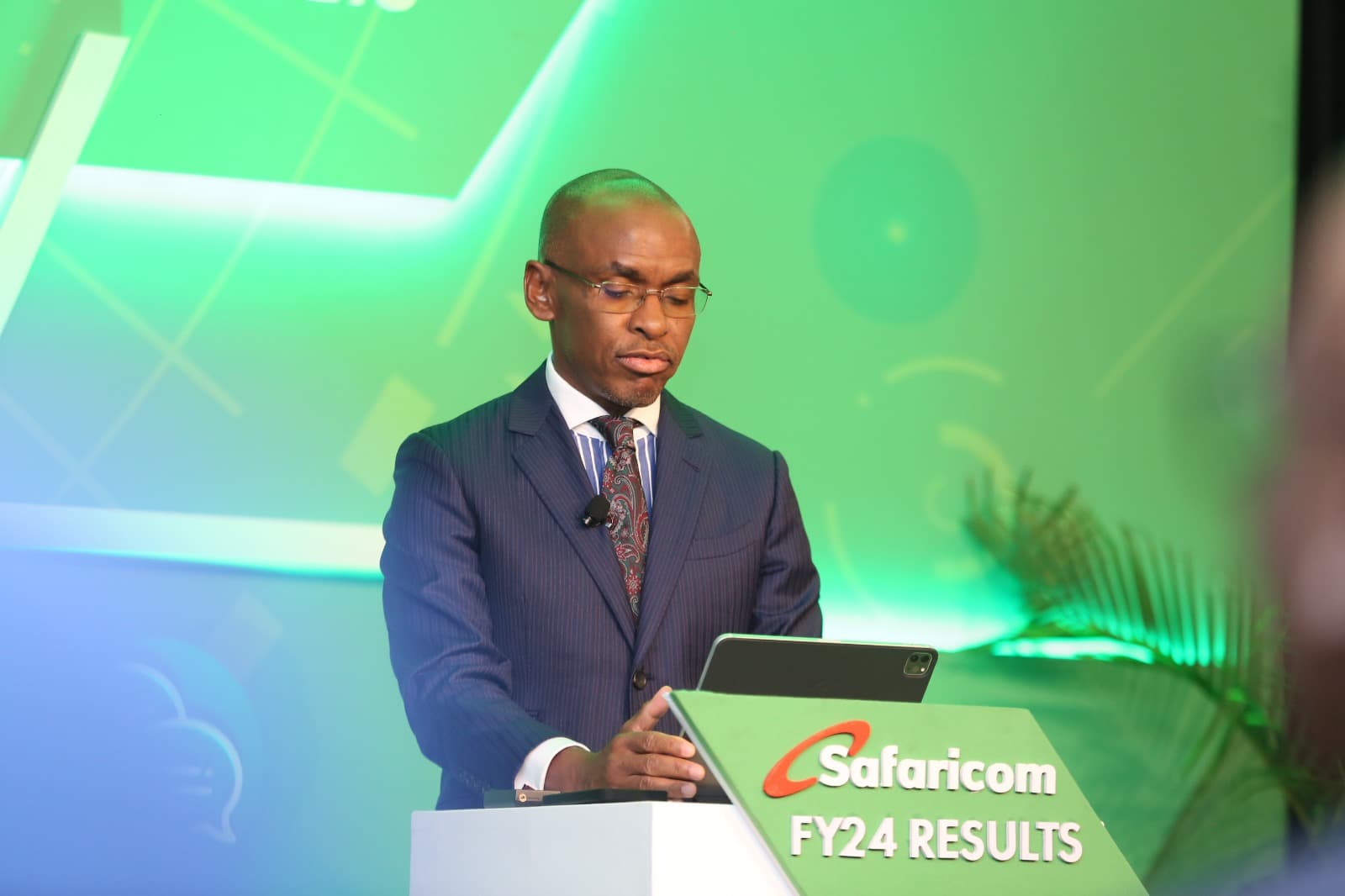
Parliament’s own site reports that Peter Ndegwa appeared before the relevant committees and addressed concerns tied to the divestiture proposal.
(Reporting detail varies by outlet, but the parliamentary confirmation of engagement is clear.)
This debate is bigger than a share sale. It is a referendum on Kenya’s economic playbook in an era of debt pressure and constrained taxation:
If the sale proceeds and funds are genuinely ring-fenced, Kenya could accelerate key projects without additional sovereign borrowing—potentially lowering pressure on the budget over time.
If governance is weak, Kenyans risk losing a high-performing, dividend-paying stake in exchange for cash that does not translate into measurable, completed public assets—an outcome that would intensify public distrust.
Keep the conversation in one place—threads here stay linked to the story and in the forums.
Sign in to start a discussion
Start a conversation about this story and keep it linked here.
Other hot threads
E-sports and Gaming Community in Kenya
Active 9 months ago
The Role of Technology in Modern Agriculture (AgriTech)
Active 9 months ago
Popular Recreational Activities Across Counties
Active 9 months ago
Investing in Youth Sports Development Programs
Active 9 months ago
Key figures and persons of interest featured in this article