We're loading the full news article for you. This includes the article content, images, author information, and related articles.
The arrest of a public radio host exposes a shadowy pipeline recruiting Africans for the Ukraine war, raising urgent security questions for Kenya.
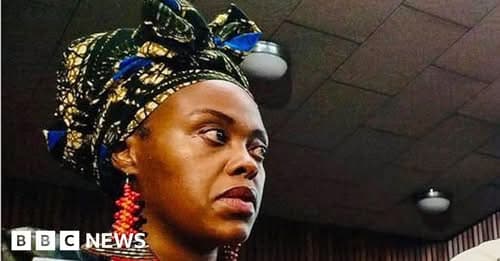
A voice familiar to listeners of South Africa's public broadcaster is now at the center of an international storm. Nonkululeko Patricia Mantula, a 39-year-old presenter for SAFM radio, was charged alongside four men for allegedly recruiting fighters for the Russian military, a move that rips the lid off a simmering crisis of foreign recruitment on the continent.
This case represents the first arrests since the South African government acknowledged in November that 17 of its citizens were lured into mercenary forces under false pretenses. For Kenyans, watching a similar drama unfold in a fellow African economic powerhouse, it raises a critical question: How deep does this recruitment run, and could our own youth be next?
Prosecutors allege Mantula and her co-accused violated South Africa's Regulation of Foreign Military Assistance Act, a law expressly forbidding citizens from engaging in foreign conflicts without state permission. The group has not yet entered a plea and will remain in custody pending a bail hearing. Police have stated they are not yet linking this case to the 17 men stranded in Ukraine's Donbas region.
The arrests occurred just days after the high-profile resignation of Duduzile Zuma-Sambudla from parliament. The daughter of former President Jacob Zuma, she stands accused of duping South Africans, including relatives, into traveling to Russia for what they believed was bodyguard training, only for them to be sent to the front lines. She has denied the allegations.
While the arrests took place in Johannesburg, the shockwaves are felt in Nairobi. The case highlights a disturbing trend of Russian-linked networks targeting Africans facing economic hardship. In November, Kenyan Foreign Minister Musalia Mudavadi confirmed that over 200 Kenyans, including former soldiers, are believed to be fighting for Russia, lured by promises of high salaries. This confirms that the pipeline is not just a South African problem; it is an African one.
Key details from the South African case include:
The South African government maintains an official policy of non-alignment in the Russia-Ukraine conflict, urging a peaceful resolution. However, these recruitment scandals put its diplomatic stance under immense pressure and create a security challenge that resonates across the continent. For Kenya and other nations, the case is a stark warning about the vulnerability of their citizens to geopolitical conflicts fought thousands of miles away.
Keep the conversation in one place—threads here stay linked to the story and in the forums.
Sign in to start a discussion
Start a conversation about this story and keep it linked here.
Other hot threads
E-sports and Gaming Community in Kenya
Active 9 months ago
The Role of Technology in Modern Agriculture (AgriTech)
Active 9 months ago
Popular Recreational Activities Across Counties
Active 9 months ago
Investing in Youth Sports Development Programs
Active 9 months ago