We're loading the full news article for you. This includes the article content, images, author information, and related articles.
With 2027 in sight, the President’s record-breaking budget pours billions into counties and drought relief, aiming to secure loyalty amidst a biting economic crunch.
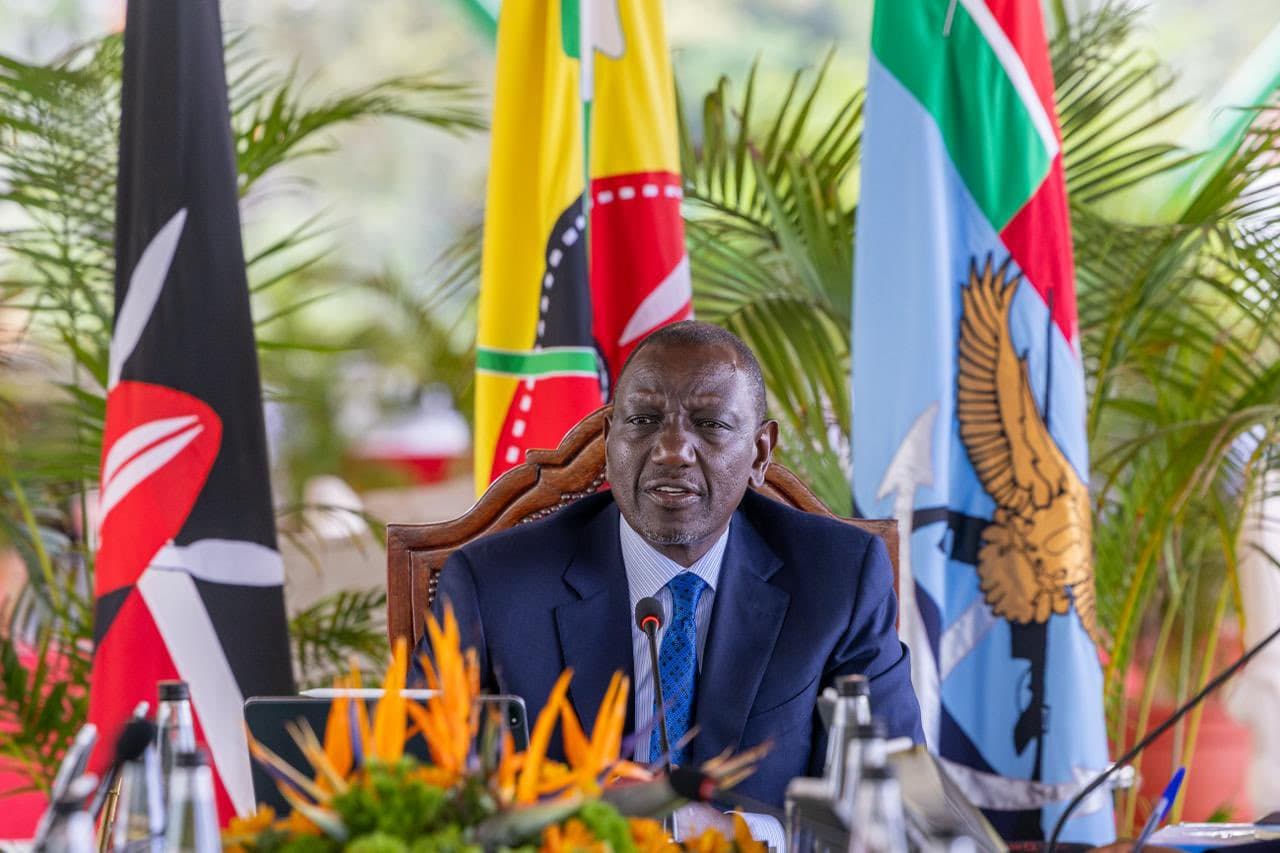
President William Ruto has laid his cards on the table. The 2026 Budget Policy Statement (BPS) is not just a spreadsheet of revenues and expenditures; it is a Sh4.7 trillion war chest designed to pave the way for his 2027 re-election bid.
Endorsed by the Cabinet this week, the budget breaks records in size and ambition. With an eye on the ballot box, the President has directed a massive Sh495.7 billion to county governments—a sweetening of the pot for governors and grassroots support bases that are crucial for mobilizing votes. This allocation is pitched as a boost for the "Bottom-Up Economic Transformation Agenda" (BETA), but politically, it is a lifeline to the devolved units that have been crying out for cash.
The budget balances populist spending with fiscal discipline. On one hand, there is Sh4.1 billion released immediately for drought response, targeting the arid and semi-arid lands (ASALs) which are key swing regions. Food distribution, water provision, and livestock support are tangible "goodies" that voters can see and feel.
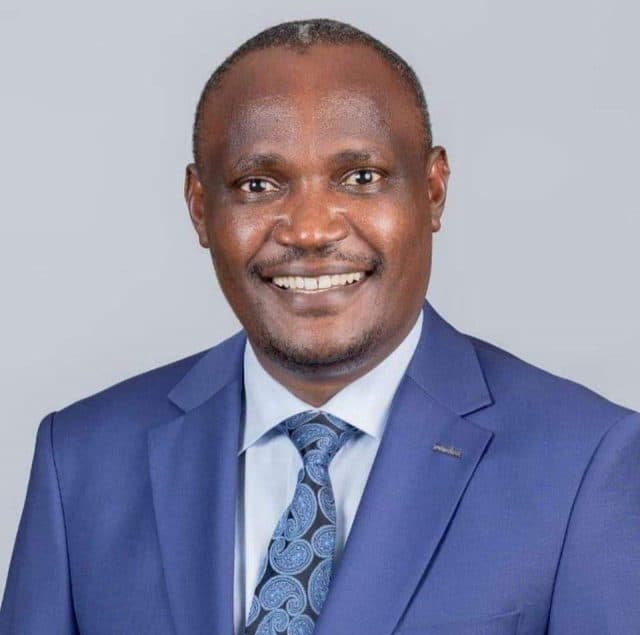
On the other hand, the Treasury, led by CS John Mbadi, is tightening the screws on the public service. Comprehensive payroll reforms are set to ensure statutory deductions are standardized, closing loopholes for corruption. It is a message to the middle class that the government is cleaning house.
Critics argue that a Sh4.7 trillion budget in a time of economic constraint is a gamble. It relies on optimistic revenue projections of Sh3.5 trillion, leaving a deficit that must be plugged by borrowing. But for President Ruto, the political logic overrides the economic caution.
This is a "stomach election" budget. By targeting farmers with fertilizer subsidies, the youth with digital superhighway projects, and the counties with record transfers, the President is building a coalition of beneficiaries. The question remains: will the "goodies" be enough to make Kenyans forget the high cost of living?
Keep the conversation in one place—threads here stay linked to the story and in the forums.
Sign in to start a discussion
Start a conversation about this story and keep it linked here.
Other hot threads
E-sports and Gaming Community in Kenya
Active 9 months ago
The Role of Technology in Modern Agriculture (AgriTech)
Active 9 months ago
Popular Recreational Activities Across Counties
Active 9 months ago
Investing in Youth Sports Development Programs
Active 9 months ago
Key figures and persons of interest featured in this article