We're loading the full news article for you. This includes the article content, images, author information, and related articles.
President William Ruto is deploying a massive development and charm offensive to win over the historical opposition stronghold of Nyanza. But while roads are being paved and loyalties pledged, a current of caution and demands for genuine partnership persist.

President William Ruto is rewriting Kenya's political playbook, making an audacious bid for the heart of Nyanza, a region that has for decades remained the unshakeable fortress of the late opposition doyen, Raila Odinga. Through a calculated blitz of high-stakes development projects and strategic political appointments, the Kenya Kwanza government is moving aggressively to dismantle old allegiances and forge a new reality on the ground.
The core of this strategy is tangible development, a direct answer to the region's long-held cry of marginalisation. The administration has unleashed a wave of initiatives, committing over KES 69 billion to projects spanning infrastructure, housing, and agriculture. This is not just about policy; it's about putting food on the table in a region where poverty remains a stark reality, with counties like Homa Bay reporting poverty levels as high as 48%.
The President's approach is two-pronged: concrete and charm. His frequent tours are marked by the launch of significant ventures aimed at transforming the local economy. Key among these are:
This charm offensive has yielded visible results. A significant number of Nyanza's political leaders, once fierce critics, have publicly pledged their loyalty to the President, vowing to work with the government. Migori Governor Ochilo Ayacko was quoted stating, "Our leader Raila Odinga left us in government, and that is where we shall remain," underscoring a strategic pivot towards cooperation. Some have gone as far as to assure the President of their support in the 2027 elections.
However, the political realignment is not without its skeptics. While many leaders embrace the new relationship, a palpable undercurrent of caution persists. Critics have labelled the sudden shift in allegiance by some as "opportunistic politics," driven more by the allure of state resources than a genuine change of heart. Siaya Governor James Orengo has notably urged the region to "rethink its dalliance with Ruto," suggesting deep-seated reservations remain.
More pointedly, a section of Nyanza's clergy has threatened to mobilise civil disobedience, accusing the administration of fostering a weak opposition through the creation of a "broad-based government." They have issued a stern, eight-point set of demands, calling for transparency on state appointments and a full report on officials' foreign travel, effectively tabling their terms for engagement. This sentiment is compounded by quiet dissent among governors, who have reportedly felt sidelined by the President's preference for dealing directly with Interior Principal Secretary Raymond Omollo, a trusted Ruto ally from the region.
The ultimate question remains whether these billions in development will translate into a lasting political bond. For the average citizen in Kisumu, where the youth unemployment rate is a pressing issue, the promise of a new road or a revived factory offers a glimmer of hope. Yet, as analysts have warned, elite pacts do not always guarantee grassroots loyalty. President Ruto's bid to conquer Nyanza is well underway, but the final verdict will be delivered not in boardrooms, but in the homes and polling stations of a region still weighing promises against a long and complex history.
Keep the conversation in one place—threads here stay linked to the story and in the forums.
Sign in to start a discussion
Start a conversation about this story and keep it linked here.
Other hot threads
E-sports and Gaming Community in Kenya
Active 9 months ago
The Role of Technology in Modern Agriculture (AgriTech)
Active 9 months ago
Popular Recreational Activities Across Counties
Active 9 months ago
Investing in Youth Sports Development Programs
Active 9 months ago
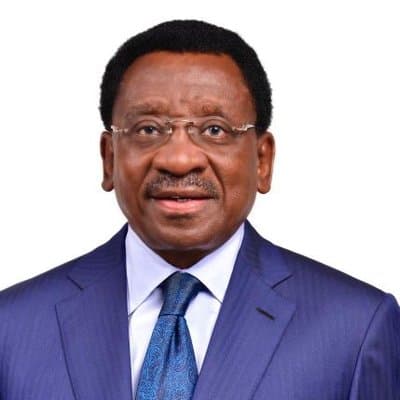
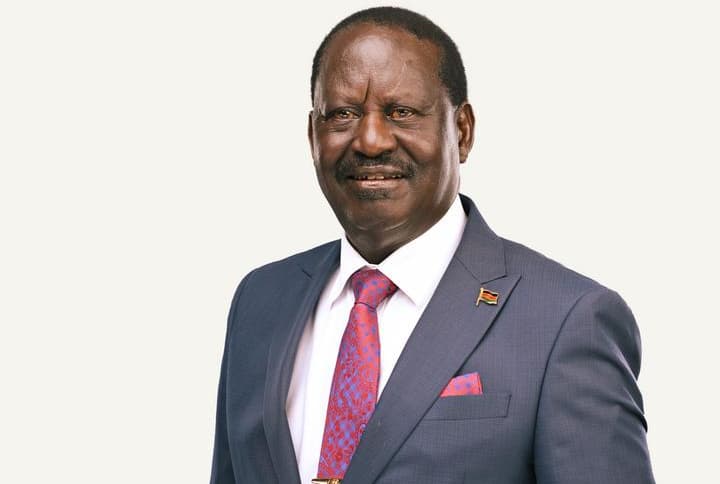
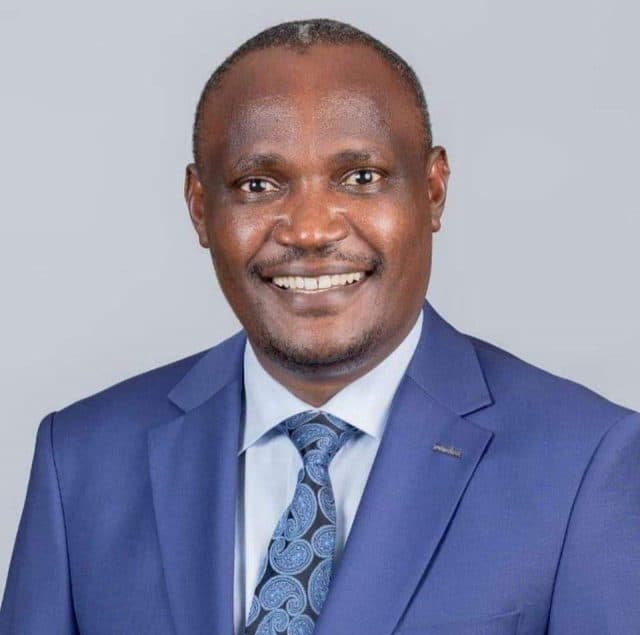
Key figures and persons of interest featured in this article