We're loading the full news article for you. This includes the article content, images, author information, and related articles.
As the dust settles on the New Year fireworks, the President faces a sobering reality: the youth who shook the nation in 2024 are no longer asking for plans—they are demanding receipts.
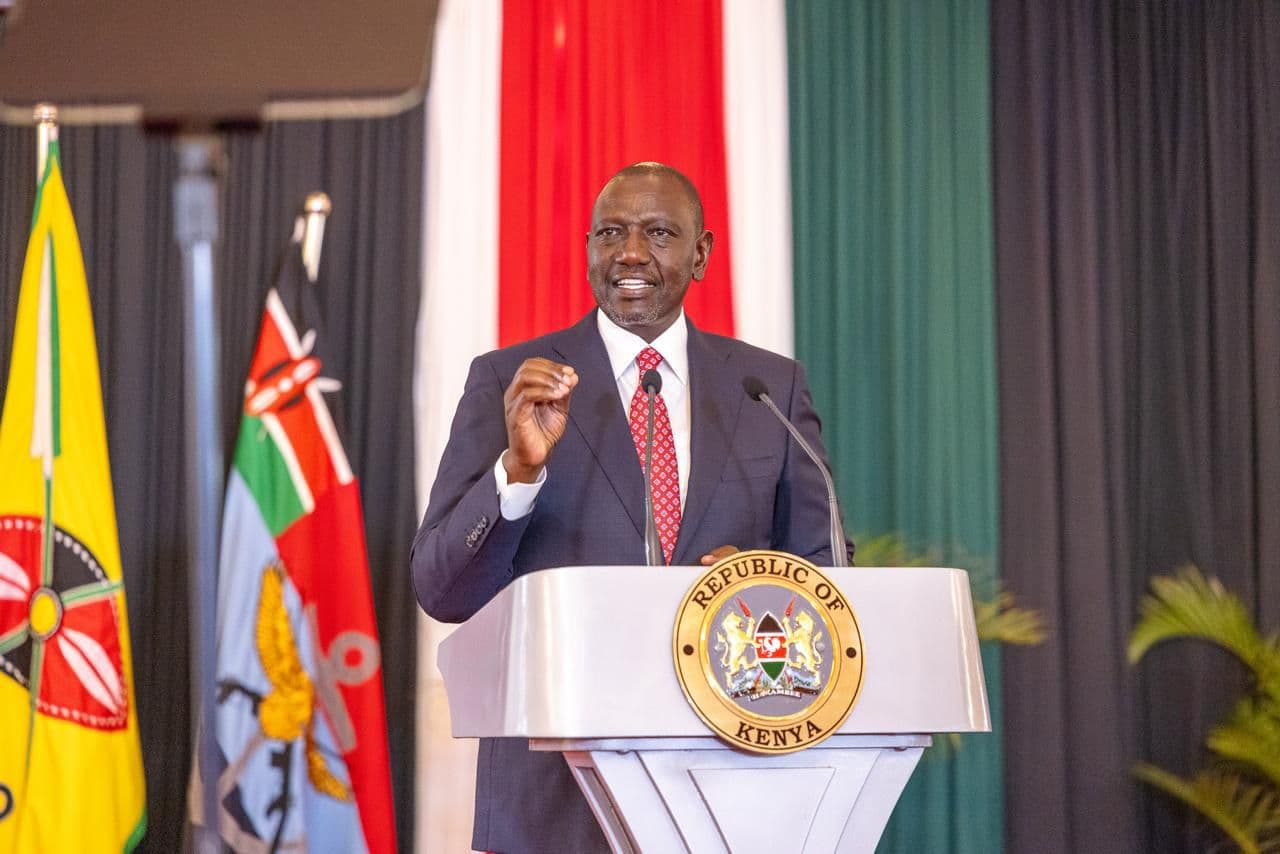
NAIROBI — The fireworks that lit up the Nairobi skyline at midnight were spectacular, but as the smoke clears over the city this morning, a heavier atmosphere settles in. It is January 1, 2026. President William Ruto has officially entered the second half of his term, and the ghosts of the 2024 protests are not just haunting State House—they are waiting at the ballot box.
Two years ago, the streets of Nairobi, Mombasa, and Kisumu erupted in a youth-led uprising that forced the government to withdraw the Finance Bill 2024. Today, the teargas has dispersed, but the anger has distilled into a cold, hard political question: Where are the results?
For the President, 2026 is not just another calendar year; it is the final runway before the 2027 election cycle consumes the nation. The administration’s strategy of pivoting to new acronyms—from the Hustler Fund to the newly launched NYOTA programme—is colliding with a generation that measures success not in policy papers, but in M-Pesa balances.
The central friction point remains the elusive promise of employment. In 2022, the Kenya Kwanza manifesto dazzled voters with a pledge to create four million jobs. Yet, data from the Kenya National Bureau of Statistics (KNBS) paints a starkly different reality. While the government claims the Affordable Housing Programme has generated over 250,000 opportunities, independent analysts argue these are largely temporary, low-wage casual engagements.
"We were promised careers, but we were given casual labor," says 24-year-old Brian Ochieng, a graphic designer in Roysambu who remains underemployed. "You cannot build a future on a three-month contract mixing cement."
The administration has attempted to plug this gap with the National Youth Opportunities Towards Advancement (NYOTA) programme, a KES 20 billion (approx. $148 million) initiative backed by the World Bank. Designed to offer skills training and enterprise support to 800,000 youth, it is viewed by critics as a late-term scramble to quell dissent. Treasury Cabinet Secretary John Mbadi has defended the government's track record, insisting that the economic fundamentals are "on track" and that borrowing is under control, but such macro-economic assurances ring hollow in households grappling with the high cost of living.
Perhaps no pillar of the President’s agenda has been as heavily marketed to Gen Z as the "Digital Superhighway." The narrative was seductive: a laptop and an internet connection would be the new jembe (hoe), harvesting dollars from the global gig economy.
While the government touts that nearly 300,000 youth are earning online, the infrastructure on the ground tells a story of a digital divide. High data costs and the prohibitive price of devices have turned the digital dream into a mirage for the rural youth.
Looming over every government project is the crushing weight of public debt, now estimated to have surpassed KES 11 trillion. Despite the Treasury’s optimism, debt service continues to consume nearly 65% of tax revenue, leaving mere crumbs for development.
For the average Kenyan, this macro-economic statistic translates directly to the price of unga (maize flour) and fuel. The International Monetary Fund (IMF) projects inflation to stabilize around 5% this year, but stability at high prices offers little relief to families whose purchasing power was eroded in 2024 and 2025.
"The government is celebrating that the house isn't burning down, but we are still sleeping in the smoke," notes economist and governance expert Jane Wanjiru. "Stabilizing the shilling was necessary, but it hasn't put food on the table."
As the political drums for 2027 begin to beat, President Ruto finds himself in a precarious position. The youth vote, once a monolithic bloc he successfully courted with "Hustler" rhetoric, has fractured into skeptical, organized cells. They are armed with smartphones, memory, and a new non-negotiable demand: accountability.
"We are done listening to plans," says activist Wanjira Maathai, reflecting the mood on the ground. "In 2026, we don't want promises. We want receipts."
Keep the conversation in one place—threads here stay linked to the story and in the forums.
Sign in to start a discussion
Start a conversation about this story and keep it linked here.
Other hot threads
E-sports and Gaming Community in Kenya
Active 9 months ago
The Role of Technology in Modern Agriculture (AgriTech)
Active 9 months ago
Popular Recreational Activities Across Counties
Active 9 months ago
Investing in Youth Sports Development Programs
Active 9 months ago
Key figures and persons of interest featured in this article