We're loading the full news article for you. This includes the article content, images, author information, and related articles.
President William Ruto has initiated significant leadership changes across several key state corporations, a move analysts suggest is aimed at aligning the parastatals with the administration's development agenda ahead of the 2027 general elections.
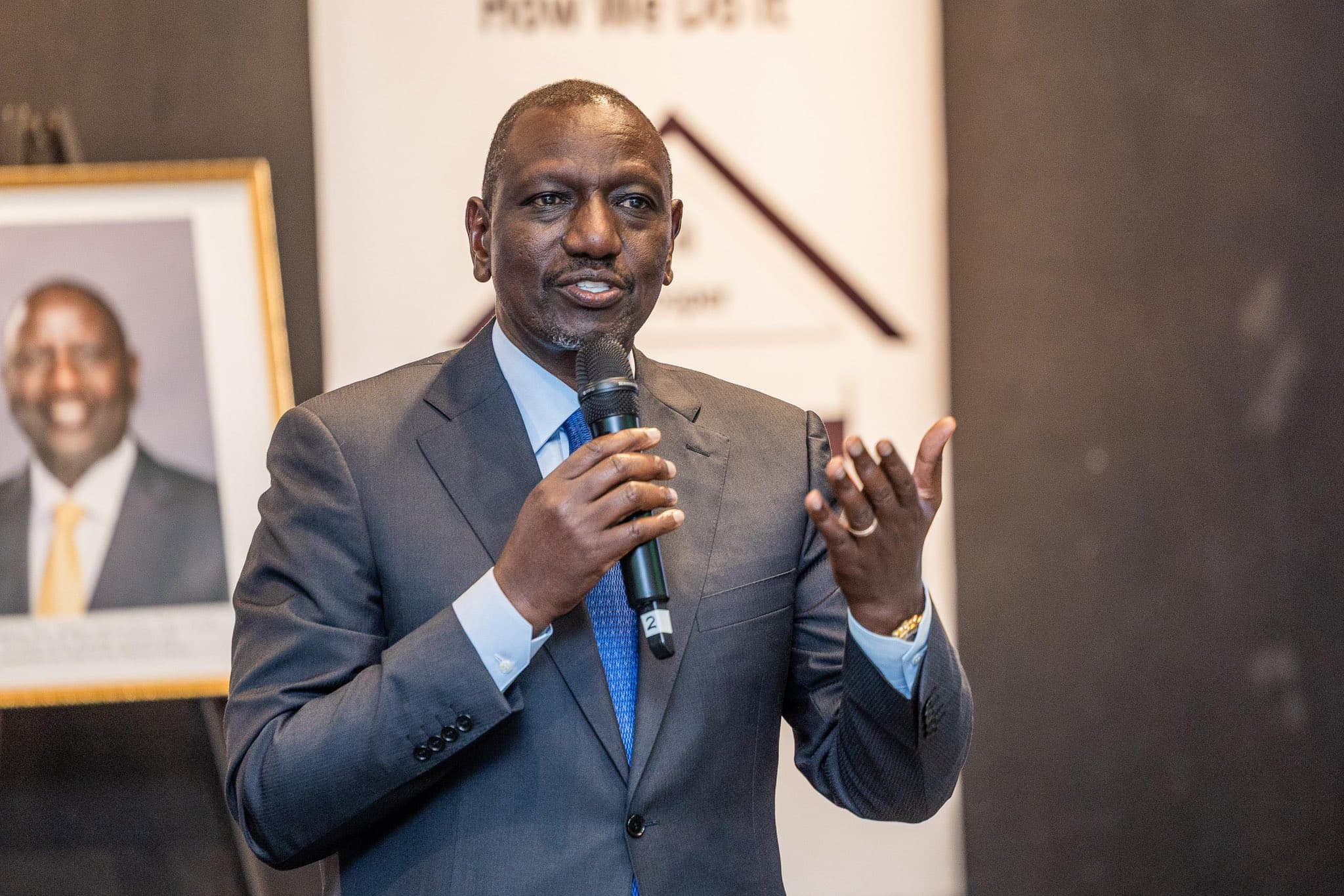
In a series of appointments announced on Saturday, October 25, 2025, President William Ruto has reshuffled the leadership of several state corporations, revoking some appointments and naming new chairpersons to head the boards of crucial government agencies. The changes, effective immediately, were officially communicated through a Kenya Gazette notice dated Friday, October 24, 2025.
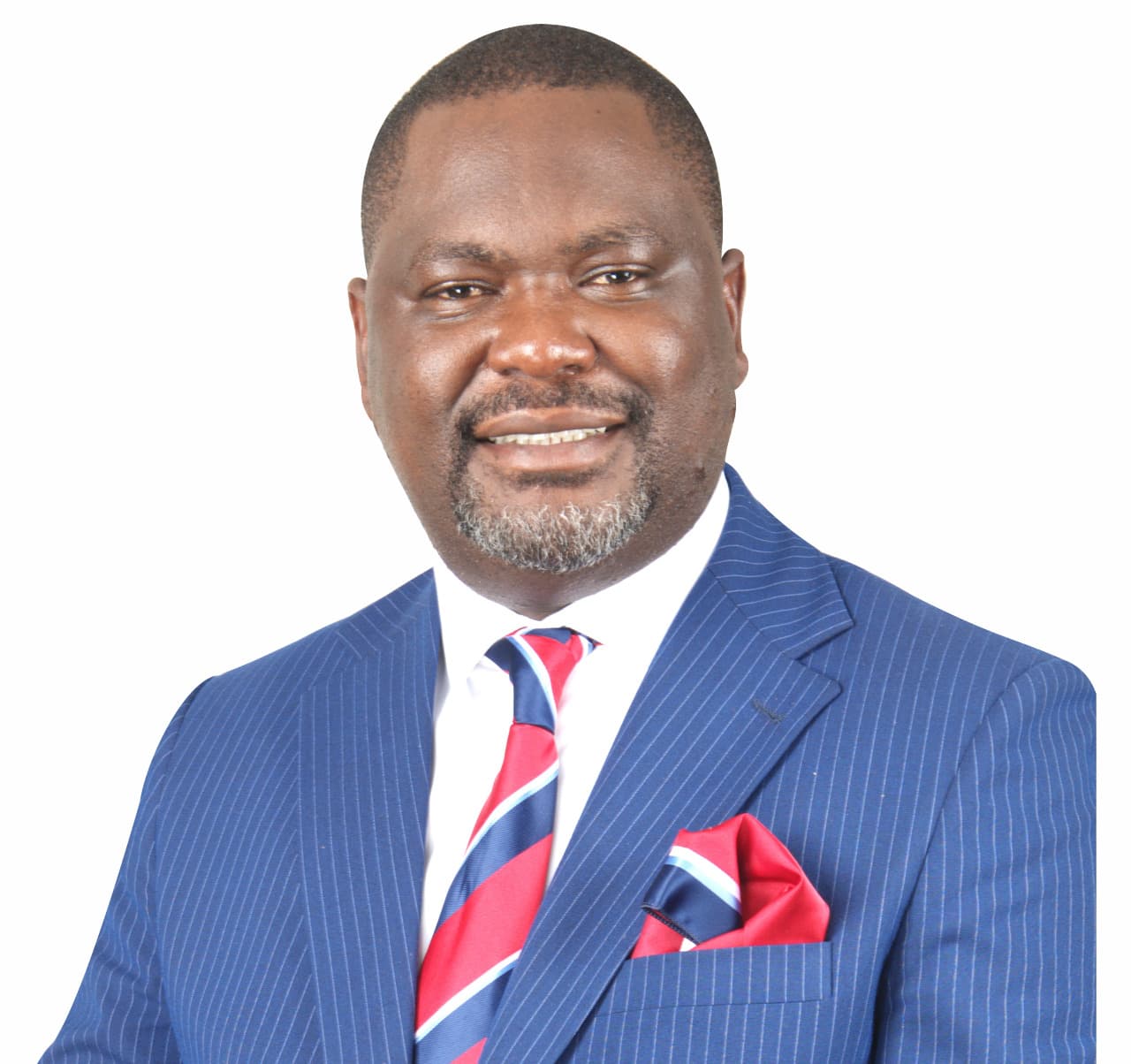
Among the most notable changes is the revocation of the appointment of former Chief of Defence Forces, General (Rtd.) Julius Karangi, as the non-executive chairperson of the National Council for Population and Development (NCPD) board. President Ruto has appointed Ali Wario to replace him for a three-year term. General Karangi had served as the Chief of the Kenya Defence Forces from 2011 until his retirement in 2015.
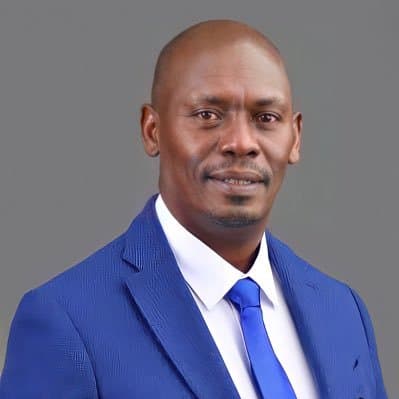
The shake-up extends to the newly formed Gambling Regulatory Authority, established under the Gambling Control Act of 2025. Former Kipkelion East Member of Parliament, Joseph Kirui Limo, has been appointed as the non-executive chairperson for a three-year term. This appointment led to the revocation of Dr. Jane Mwikali Makau's position, who had held the role since 2022.
However, Dr. Makau has been redeployed and appointed as the non-executive chairperson of the Board of the National Water Harvesting and Storage Authority, also for a three-year period. This move is indicative of a broader trend within the administration of reassigning officials to different state corporations. For instance, in September 2025, Dr. Samier Muravvej was moved from the National Syndemic Diseases Control Council to chair the Kenya Fisheries Service.
Several Cabinet Secretaries have also exercised their ministerial powers to appoint new board members to various parastatals. Public Service Cabinet Secretary Geoffrey Ruku appointed Emma Wambui Mbugua, Anne Derasso Illo, Fredrick Odumo Nying'uro, and Valerie Lomosi as members of the Board of Directors at the Gambling Regulatory Authority for a three-year term. These appointments resulted in the revocation of the appointments of Ernest Kamau, Anne Too, Innocent Muganda, Janet Oben, and Edwin Gikunju.
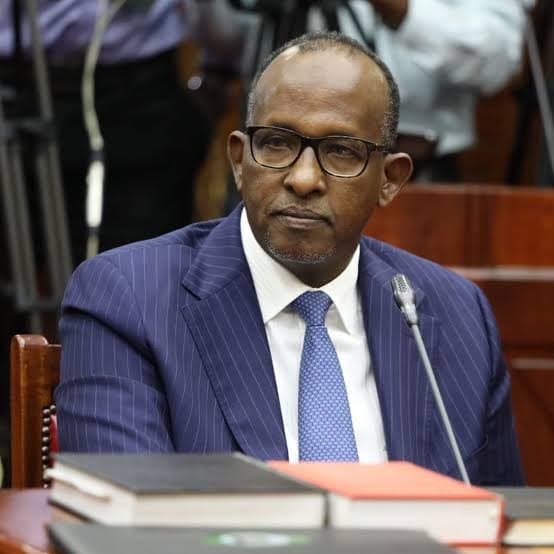
Some of those removed have been appointed to other boards. Health Cabinet Secretary Aden Duale appointed Edwin Gikunju to the board of the Kenya Institute of Primate Research for a three-year term. Similarly, Innocent Muganda was appointed as a board member of the National Water Harvesting and Storage Authority by Water, Sanitation, and Irrigation Cabinet Secretary Eric Murithi.
In the education sector, Cabinet Secretary Julius Ogamba appointed Professor Kellen Kathure Kiambati as the Chairperson of the Technical and Vocational Education and Training Authority Board for a four-year term. Meanwhile, Information, Communications and the Digital Economy Cabinet Secretary William Kabogo appointed Stephen Njuki as a member of the Board of the Communications Authority of Kenya for three years.
These leadership changes are widely seen as part of President Ruto's ongoing efforts to stamp his authority on the public sector and ensure that the leadership of state corporations is aligned with his administration's development priorities. Recent months have seen a number of chief executives of major parastatals in the roads, energy, and ICT sectors either resign or be dismissed, with analysts attributing these changes to a push to fast-track key projects ahead of the 2027 elections.
The appointments and revocations are set to take effect immediately, as the government aims to enhance service delivery and efficiency within these crucial state-owned enterprises. The full impact of these leadership changes on the performance of the respective parastatals and the broader economy will be closely watched in the coming months.
Keep the conversation in one place—threads here stay linked to the story and in the forums.
Sign in to start a discussion
Start a conversation about this story and keep it linked here.
Other hot threads
E-sports and Gaming Community in Kenya
Active 10 months ago
The Role of Technology in Modern Agriculture (AgriTech)
Active 10 months ago
Popular Recreational Activities Across Counties
Active 10 months ago
Investing in Youth Sports Development Programs
Active 10 months ago
Key figures and persons of interest featured in this article