We're loading the full news article for you. This includes the article content, images, author information, and related articles.
President William Ruto has set a 2026 start date for a monumental overhaul of Jomo Kenyatta International Airport (JKIA) and the construction of a new, modern terminal, part of a KES 5 trillion plan to secure Kenya's position as Africa's premier aviation and logistics hub.
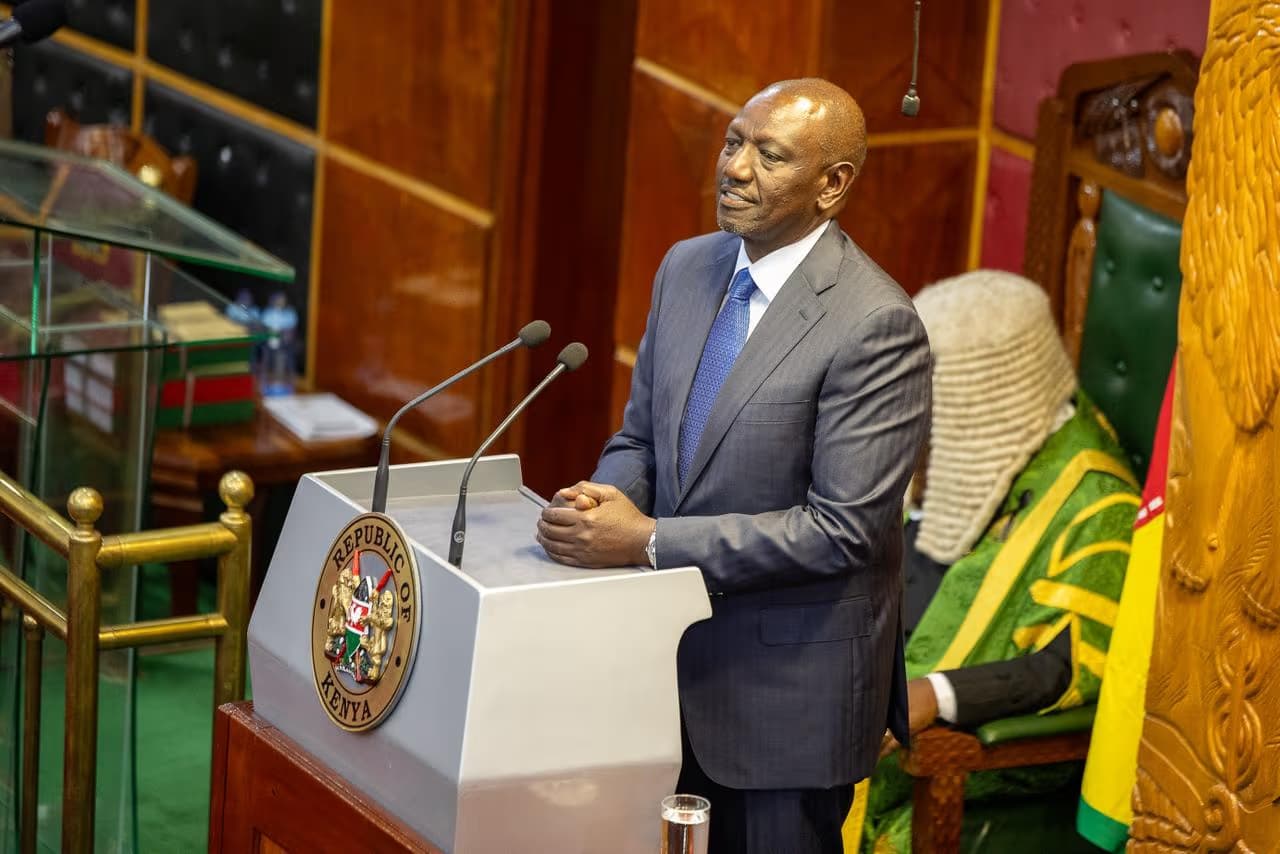
President William Ruto has ignited one of Kenya's most ambitious infrastructure projects, announcing that the modernization of Jomo Kenyatta International Airport (JKIA) and the development of a new airport facility will commence in January 2026. The initiative is the cornerstone of a sweeping KES 5 trillion National Infrastructure Fund designed to transform Kenya's economic landscape without accumulating unsustainable public debt.
This high-stakes project aims to solve a critical problem for the Kenyan economy: JKIA, the gateway to East Africa, is struggling under the weight of its own success. Built in 1978 to handle 2.5 million passengers annually, it now strains to serve over 8.6 million, leading to congestion, operational inefficiencies, and concerns about its ability to compete with rapidly modernizing rivals in Ethiopia and Rwanda. The overhaul is not merely about fixing leaking roofs and reducing delays; it's a calculated move to expand Kenya's economic runway for generations.
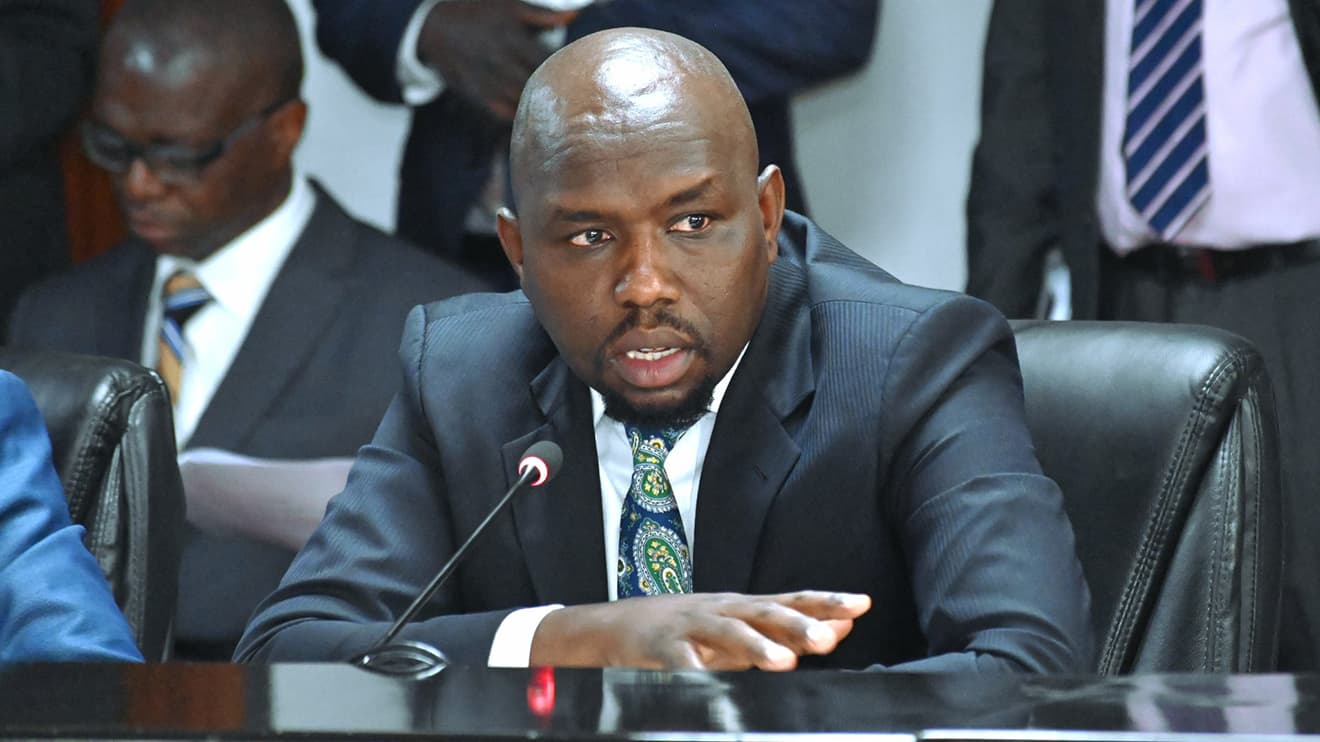
The government's vision, detailed in the Kenya Airports Authority's (KAA) Integrated Master Plan, is to construct a state-of-the-art passenger terminal and a second full-length runway. While officials have used the term "new airport," plans point towards a massive redevelopment of the existing JKIA grounds, reminiscent of the previously stalled "Greenfield Terminal" project. Transport Cabinet Secretary Kipchumba Murkomen confirmed that the government plans to build a "completely new airport" facility at JKIA, with a tender process expected to begin soon.
The expansion is projected to more than double passenger capacity, targeting over 22 million travellers by 2045. This addresses a stark reality: Addis Ababa's Bole International Airport has already surpassed JKIA in passenger traffic, posing a direct threat to Nairobi's status as the region's primary hub. The plan includes:
President Ruto has emphasized a strategic shift away from traditional borrowing. The entire KES 5 trillion national transformation agenda—spanning transport, energy, irrigation, and logistics—will be financed through a newly established National Infrastructure Fund and a Sovereign Wealth Fund. This model will channel proceeds from the privatization of state assets directly into income-generating infrastructure projects.
The JKIA modernization itself is estimated to cost around $2 billion (approx. KES 260 billion). The government is pursuing a Public-Private Partnership (PPP) model and is already in talks with several development finance institutions, including the European Investment Bank and the China Exim Bank, to secure the necessary capital. "Our country will not be developed by others. Our country will not be developed by aid. Our country will not be developed by debt. Our country will be developed by us, using our own revenues and taxes," President Ruto affirmed.
For the average Kenyan, the project's success will be measured in jobs and economic opportunity. The aviation sector already contributes significantly to the nation's GDP, and this expansion is expected to be a powerful economic multiplier. Government assessments project the creation of over 1,000 direct and permanent jobs at the airport, with thousands more temporary roles during the construction phase.
A more efficient JKIA promises to lower the cost of doing business, boost tourism, and provide a lifeline for Kenya's critical horticulture and fresh produce exports by enhancing cargo handling capacity. Kenya Airways CEO Allan Kilavuka has previously noted the urgent need for modernization, stating that without timely expansion, "JKIA risks becoming a bottleneck rather than a bridge to our growth."
As the 2026 launch date approaches, the government's ability to execute this complex, multi-billion-shilling vision will be under intense scrutiny. The promise is a world-class gateway that not only welcomes visitors in style but also secures Kenya's economic future in a fiercely competitive African landscape.
Keep the conversation in one place—threads here stay linked to the story and in the forums.
Sign in to start a discussion
Start a conversation about this story and keep it linked here.
Other hot threads
E-sports and Gaming Community in Kenya
Active 10 months ago
The Role of Technology in Modern Agriculture (AgriTech)
Active 10 months ago
Popular Recreational Activities Across Counties
Active 10 months ago
Investing in Youth Sports Development Programs
Active 10 months ago
Key figures and persons of interest featured in this article