We're loading the full news article for you. This includes the article content, images, author information, and related articles.
**President dismisses concerns over his BETA agenda and 'Singapore Dream', urging critics to "go read the manifesto" as Kenyans grapple with the high cost of living.**
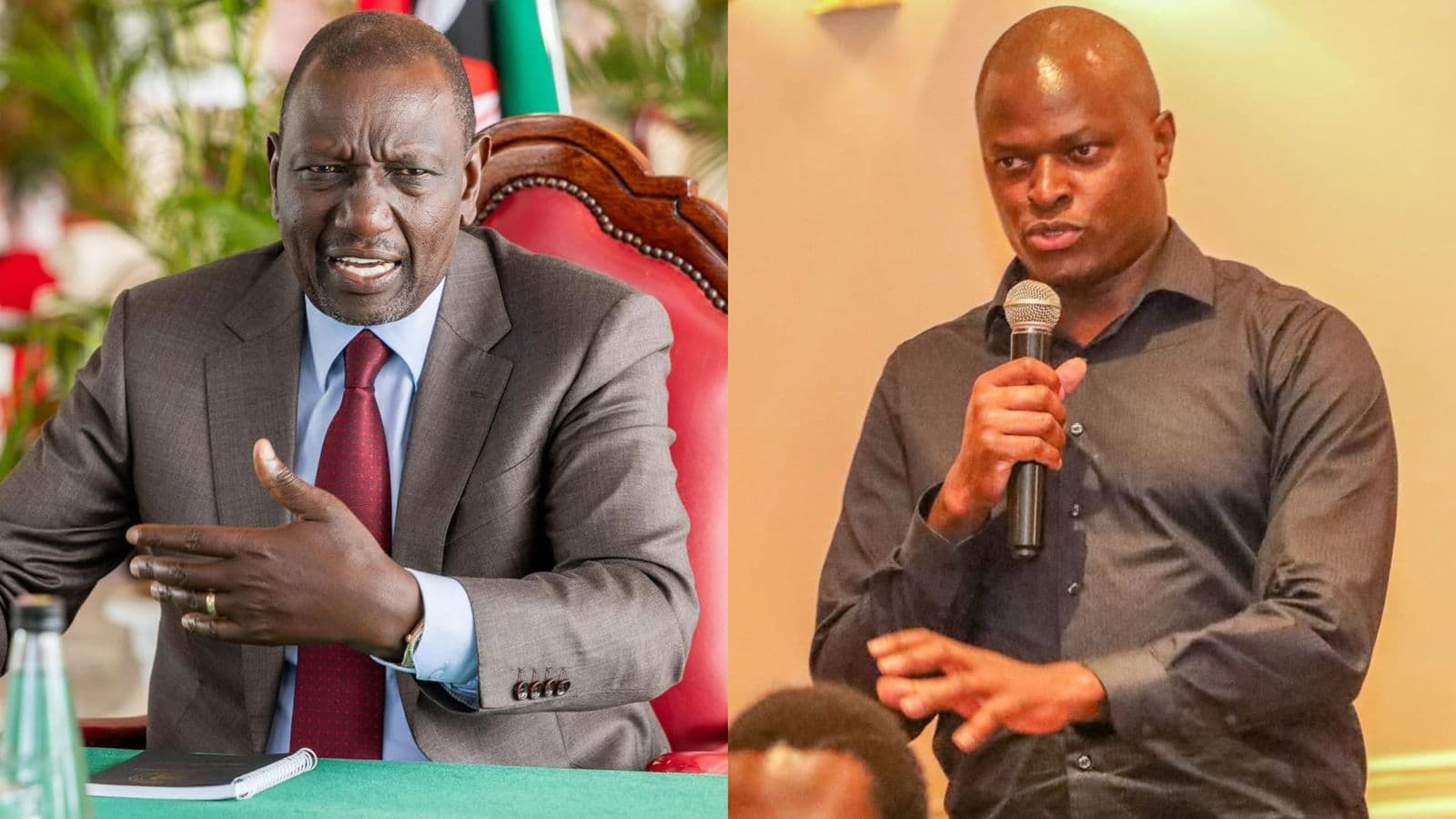
President William Ruto has issued a sharp rebuttal to critics of his economic policies, directly challenging them to revisit the Kenya Kwanza manifesto amid growing public anxiety over the cost of living. His administration's twin ambitions—the Bottom-Up Economic Transformation Agenda (BETA) and the vision to model Kenya after Singapore—have come under intense scrutiny.
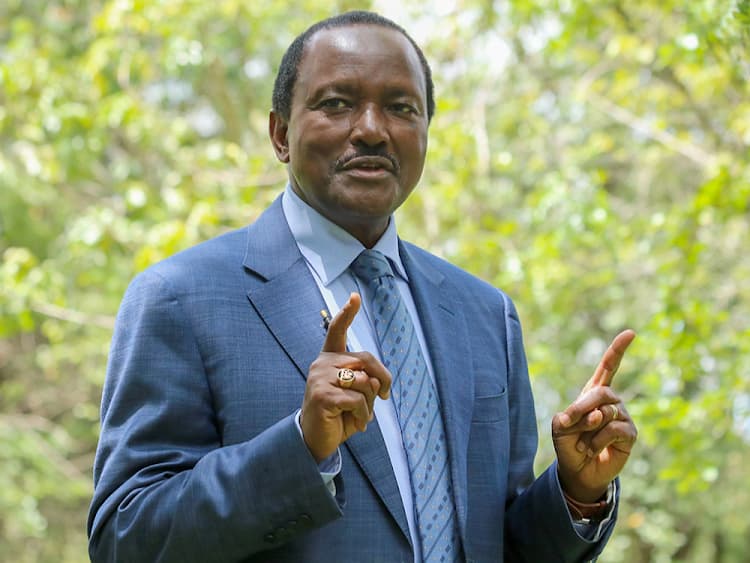
The president's forceful defense is a direct response to mounting pressure from opposition figures and civil society groups who question the tangible impact of his policies on ordinary citizens. Critics, including Wiper Party Leader Kalonzo Musyoka, have argued that the "Singapore Dream" is disconnected from the reality of company relocations and high youth unemployment.
At the heart of the debate is the administration's core economic plan, BETA, which prioritizes investments in five key pillars: Agriculture, MSMEs, Housing and Settlement, Healthcare, and the Digital Superhighway. President Ruto insists this agenda is the foundational step towards achieving first-world status, a vision he has repeatedly compared to Singapore's rapid development. He maintains that this is not a departure from his campaign promises but a direct continuation of the plan to lift every Kenyan from the bottom up.
The "Singapore Dream" has been a recurring theme for Kenyan leaders for decades, symbolizing a desire for disciplined, technocratic governance and rapid economic growth. However, analysts note a stark contrast between the two nations, pointing to Singapore's zero-tolerance on corruption and Kenya's entrenched patronage systems as significant hurdles.
While the government points to stabilizing macroeconomic indicators, many Kenyan households are yet to feel the relief. The conversation in boardrooms and political rallies often clashes with the economic reality faced by millions. Key economic pressure points include:
Economists project a GDP growth of around 4.7% to 5.4% for Kenya in 2025, a figure that outpaces the global average but one whose benefits are yet to trickle down effectively. Opposition leaders have accused the administration of wasteful spending and policies that have crippled key sectors, leading to the current economic hardship.
As President Ruto urges patience and a focus on his long-term plan, the ultimate measure of his success will be whether the grand vision of a Kenyan Singapore can be translated into more food on the table, jobs for the youth, and tangible prosperity for all.
Keep the conversation in one place—threads here stay linked to the story and in the forums.
Sign in to start a discussion
Start a conversation about this story and keep it linked here.
Other hot threads
E-sports and Gaming Community in Kenya
Active 9 months ago
The Role of Technology in Modern Agriculture (AgriTech)
Active 9 months ago
Popular Recreational Activities Across Counties
Active 9 months ago
Investing in Youth Sports Development Programs
Active 9 months ago
Key figures and persons of interest featured in this article