We're loading the full news article for you. This includes the article content, images, author information, and related articles.
President William Ruto dismisses critics of the KPC and Safaricom IPOs as "political conmen," urging Kenyans to invest KSh 350 billion in state assets to secure their economic future.
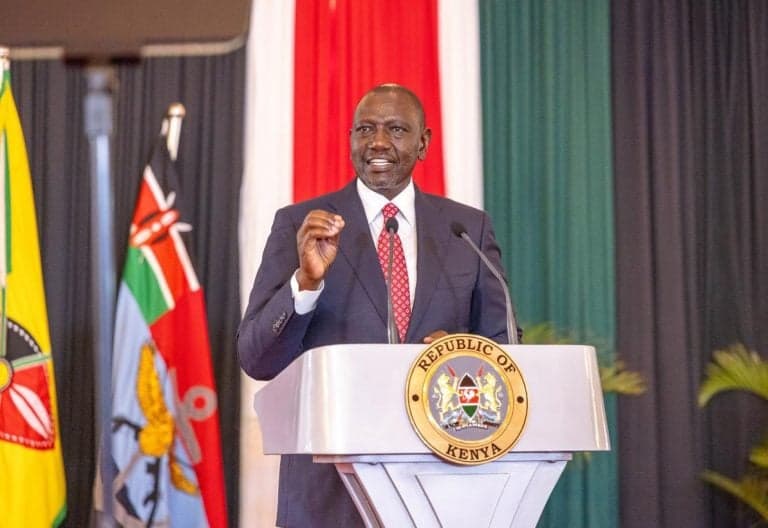
President William Ruto has issued a clarion call to the nation’s youth and hustlers, urging them to ignore "political noise" and seize a stake in the Kenya Pipeline Company (KPC) and Safaricom. In a high-stakes pitch at State House, the Head of State positioned the ongoing Initial Public Offerings (IPOs) not just as an investment, but as a critical test of Kenya’s economic sovereignty.
Speaking to thousands of graduate interns under the Affordable Housing Programme, the President did not mince his words. He framed the divestiture of state assets as the only viable path to raising the colossal KSh 350 billion needed to jumpstart the economy without sinking further into the quicksand of foreign debt. "This is your time," Ruto told the interns, characterizing the IPOs as a once-in-a-generation transfer of wealth from the state to the citizen.
The mathematics behind the President’s push is stark. The government aims to raise KSh 110 billion from the KPC listing and a further KSh 240 billion from the partial sale of Safaricom shares. President Ruto argued that this liquidity is essential to unlock a development chest war chest worth between KSh 3 trillion and KSh 4 trillion.
"We are mobilizing resources to transform this country," he declared, pushing back against a rising tide of skepticism led by opposition figures and even some allies within the Kenya Kwanza coalition. "By next year, we will have the capacity to finance our own development. But we need Kenyans to own these companies."
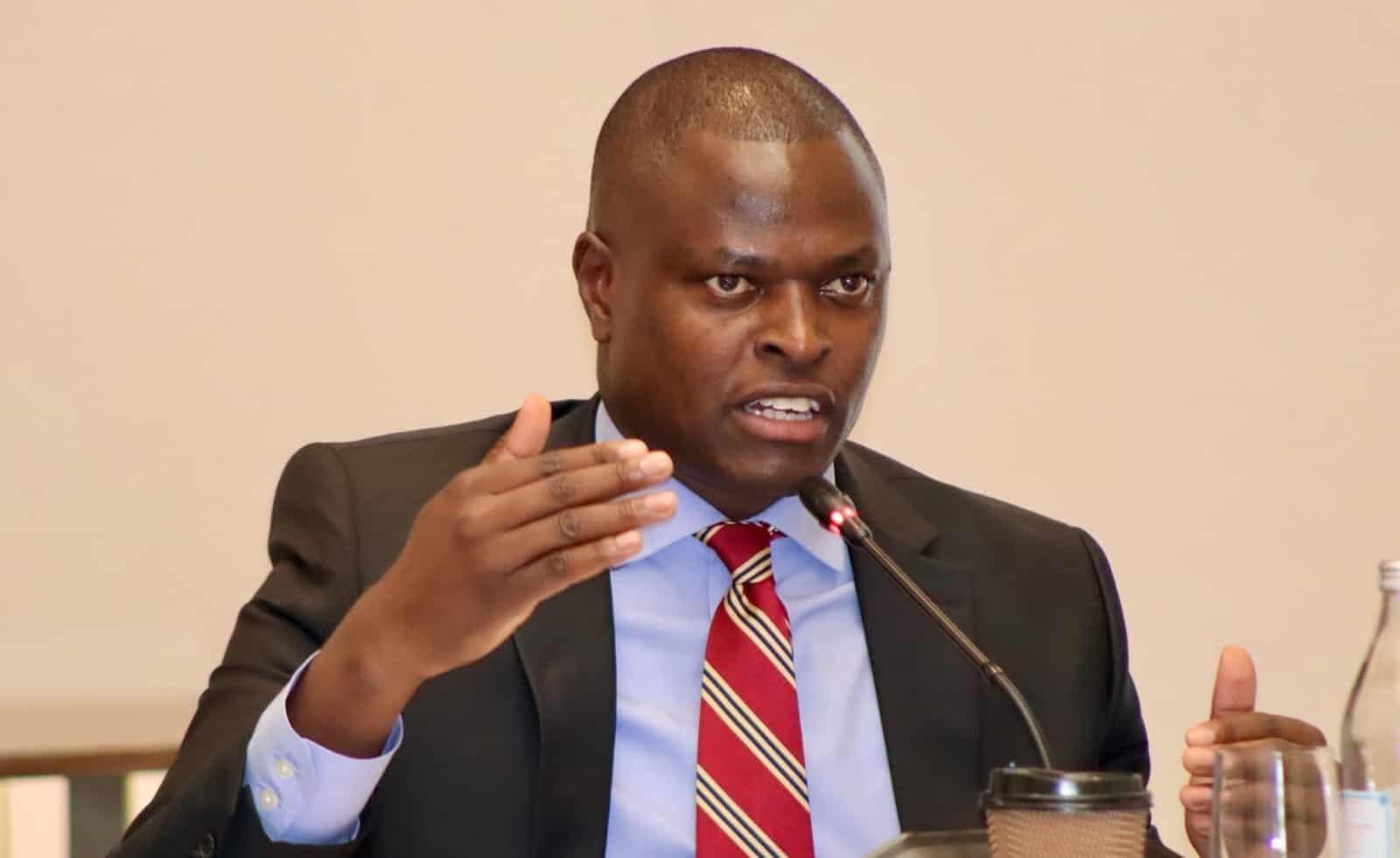
The President’s pitch comes amidst a firestorm of criticism. Just days ago, Kiharu MP Ndindi Nyoro raised alarm over the valuation of Safaricom shares, questioning who negotiated the price and whether the public was being shortchanged. Ruto’s response today was a direct counter-offensive.
"Spare us the political conmanship and intellectual deceit," Ruto fired back, visibly agitated by the suggestion of backroom deals. "Any public listed company has its value determined transparently by the market at the Exchange, not in boardrooms. Those lecturing us are the same people who ran down these institutions."
The President’s defense relies heavily on the oversight role of the Capital Markets Authority (CMA), which he insists has greenlit every step of the process. However, market analysts remain cautious. With the NSE struggling to recover from a multi-year bear run, the absorption capacity of the local market is under scrutiny. Can the Kenyan "hustler," already battered by the high cost of living, afford to buy into the President’s dream?
Economists point out that this privatization wave is reminiscent of the 2008 Safaricom IPO, which democratized share ownership in Kenya. But 2026 is a different beast. Inflation is biting, and disposable income has shrunk. Yet, Ruto remains adamant that this is the only way to break the cycle of debt.
"If you have KSh 200, buy. If you have KSh 1,000, buy," he urged. "When the dividends come, I don't want you to be spectators." As the deadline for the IPO approaches, the question remains: will Kenyans buy the shares, or will they buy the criticism?
Keep the conversation in one place—threads here stay linked to the story and in the forums.
Sign in to start a discussion
Start a conversation about this story and keep it linked here.
Other hot threads
E-sports and Gaming Community in Kenya
Active 10 months ago
The Role of Technology in Modern Agriculture (AgriTech)
Active 10 months ago
Popular Recreational Activities Across Counties
Active 10 months ago
Investing in Youth Sports Development Programs
Active 10 months ago
Key figures and persons of interest featured in this article