We're loading the full news article for you. This includes the article content, images, author information, and related articles.
**President William Ruto's UDA and the Orange Democratic Movement are in advanced discussions to form a broad-based political entity, a monumental shift set to radically reshape Kenya's political landscape ahead of the 2027 General Election.**

Kenya’s political landscape is on the brink of a seismic shift as leaders from the ruling United Democratic Alliance (UDA) and the opposition Orange Democratic Movement (ODM) orchestrate a historic political union.
This developing alliance aims to create a formidable, unified front for the 2027 General Election, effectively ending years of fierce rivalry between two of the nation's most powerful political forces. For ordinary Kenyans, the move presents a dual-edged sword: the promise of political stability against fears of a weakened democracy with diminished opposition oversight.
Discussions that began as a political truce are now evolving into the framework for a grand coalition. Plans are reportedly underway for ODM's National Delegates Council (NDC) to endorse a legally binding agreement with UDA. This pact would culminate in a joint endorsement of President William Ruto's reelection campaign. Speaking in Migori County, President Ruto signalled his support for the arrangement, stating, "Once you organise and strengthen ODM, I will organise UDA so that we meet at that point and form a government through mutual agreement."
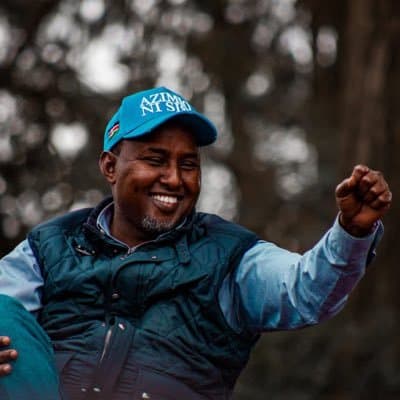
The foundation for this alliance is a 10-point reform agenda, born from a Memorandum of Understanding signed on March 7, 2025. According to National Assembly Minority Leader Junet Mohamed, half of this agenda has already been implemented, paving the way for a more structured coalition.
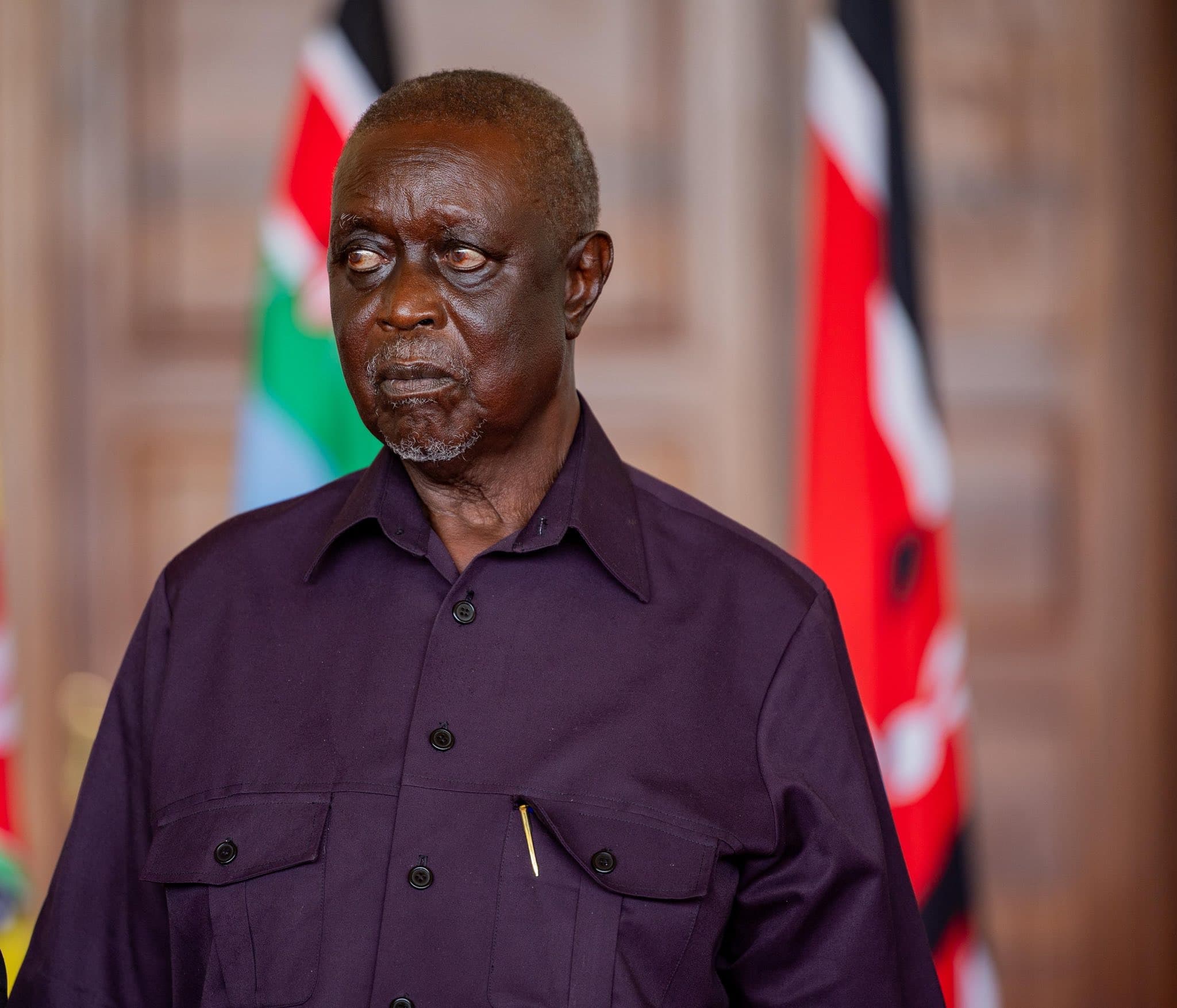
The motivations behind this political realignment are deeply strategic. For President Ruto, the alliance is a calculated move to expand his support base and compensate for potential vote losses in other regions, particularly the vote-rich Mt. Kenya area. For ODM, now under the leadership of Dr. Oburu Oginga, the pact offers a direct path to power. "All political parties are formed to capture power," Dr. Oginga recently stated, emphasizing that ODM is not destined to remain in opposition.
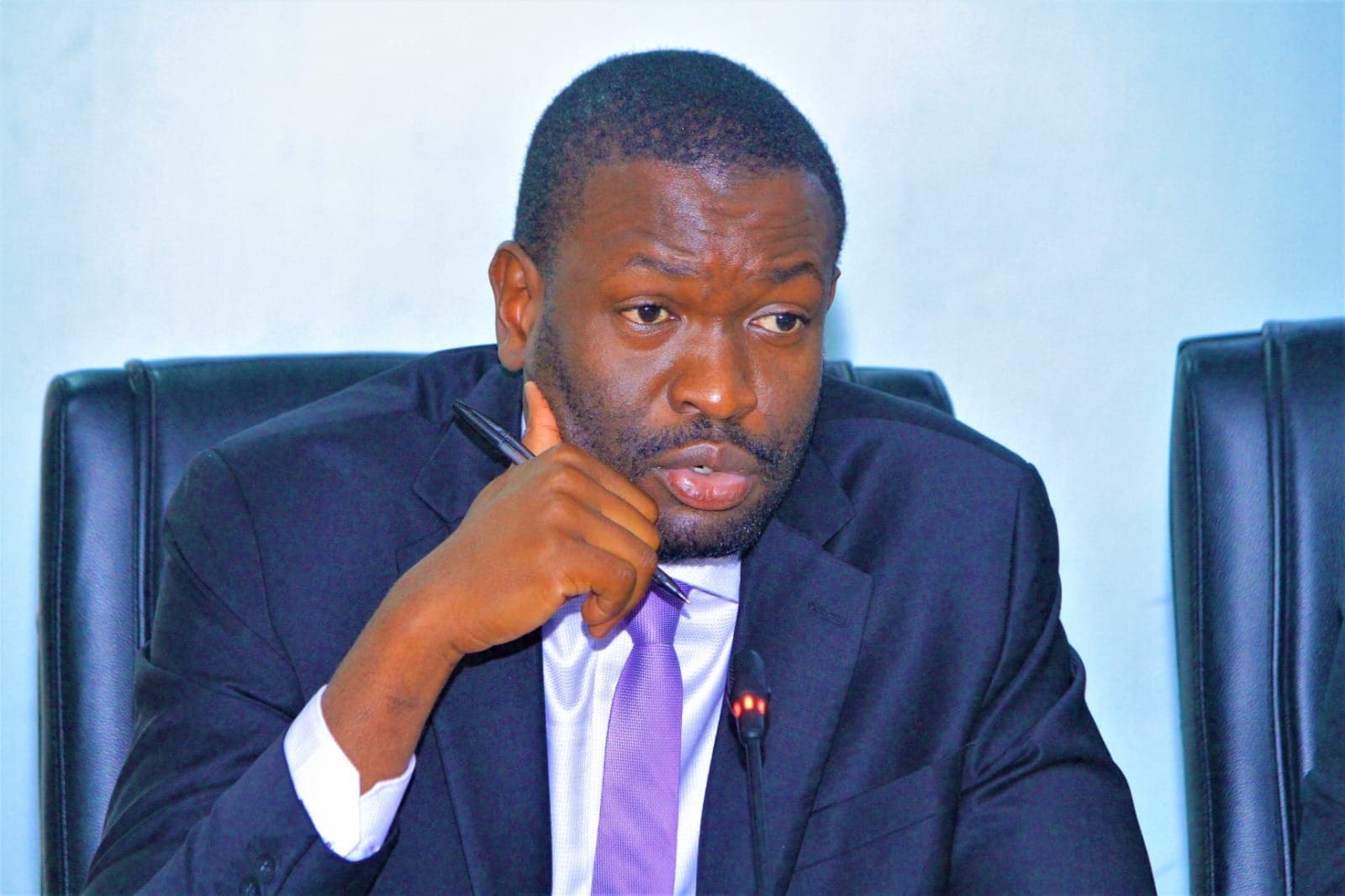
Despite the momentum, the proposed union is not without its critics and internal challenges. The plan has caused dismay among some prominent opposition figures and rebels within ODM. ODM Secretary-General Edwin Sifuna remains one of the most skeptical voices, having previously stated that the MoU does not amount to a coalition agreement. Analysts warn that the pact could stifle opposition and weaken the democratic checks and balances essential for holding the government accountable. As the two parties move closer, the risk of internal fallout and the challenge of managing divergent interests remain significant hurdles.
As the nation watches this political drama unfold, the ultimate question remains: is this the dawn of a more unified, stable political era, or the beginning of a de facto single-party state that could silence democratic dissent for years to come?
Keep the conversation in one place—threads here stay linked to the story and in the forums.
Sign in to start a discussion
Start a conversation about this story and keep it linked here.
Other hot threads
E-sports and Gaming Community in Kenya
Active 9 months ago
The Role of Technology in Modern Agriculture (AgriTech)
Active 9 months ago
Popular Recreational Activities Across Counties
Active 9 months ago
Investing in Youth Sports Development Programs
Active 9 months ago
Key figures and persons of interest featured in this article