We're loading the full news article for you. This includes the article content, images, author information, and related articles.
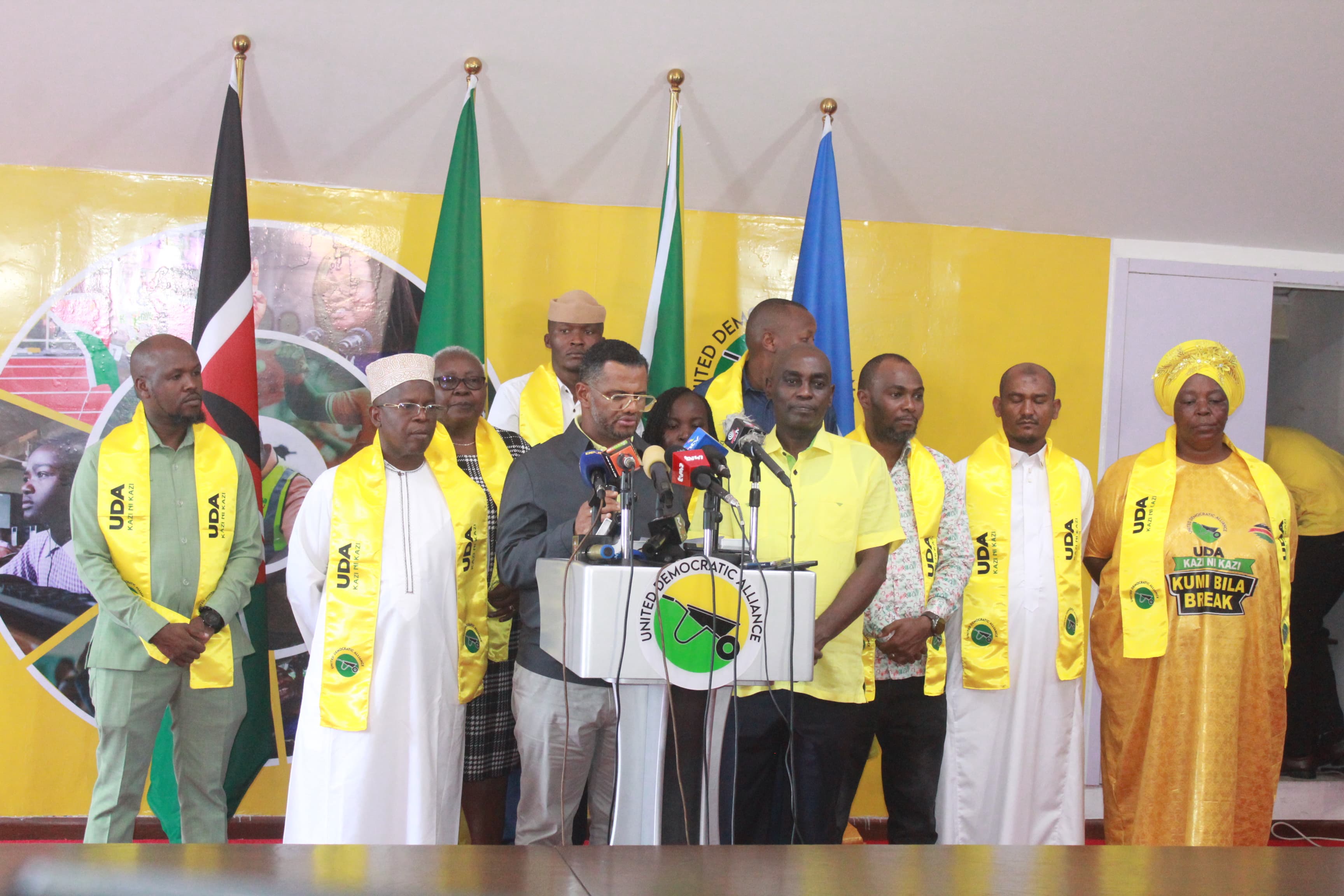
President Ruto and ODM veteran Oburu Oginga have doubled down on the UDA-ODM cooperation pact, dismissing internal dissent to solidify the coalition’s agenda.

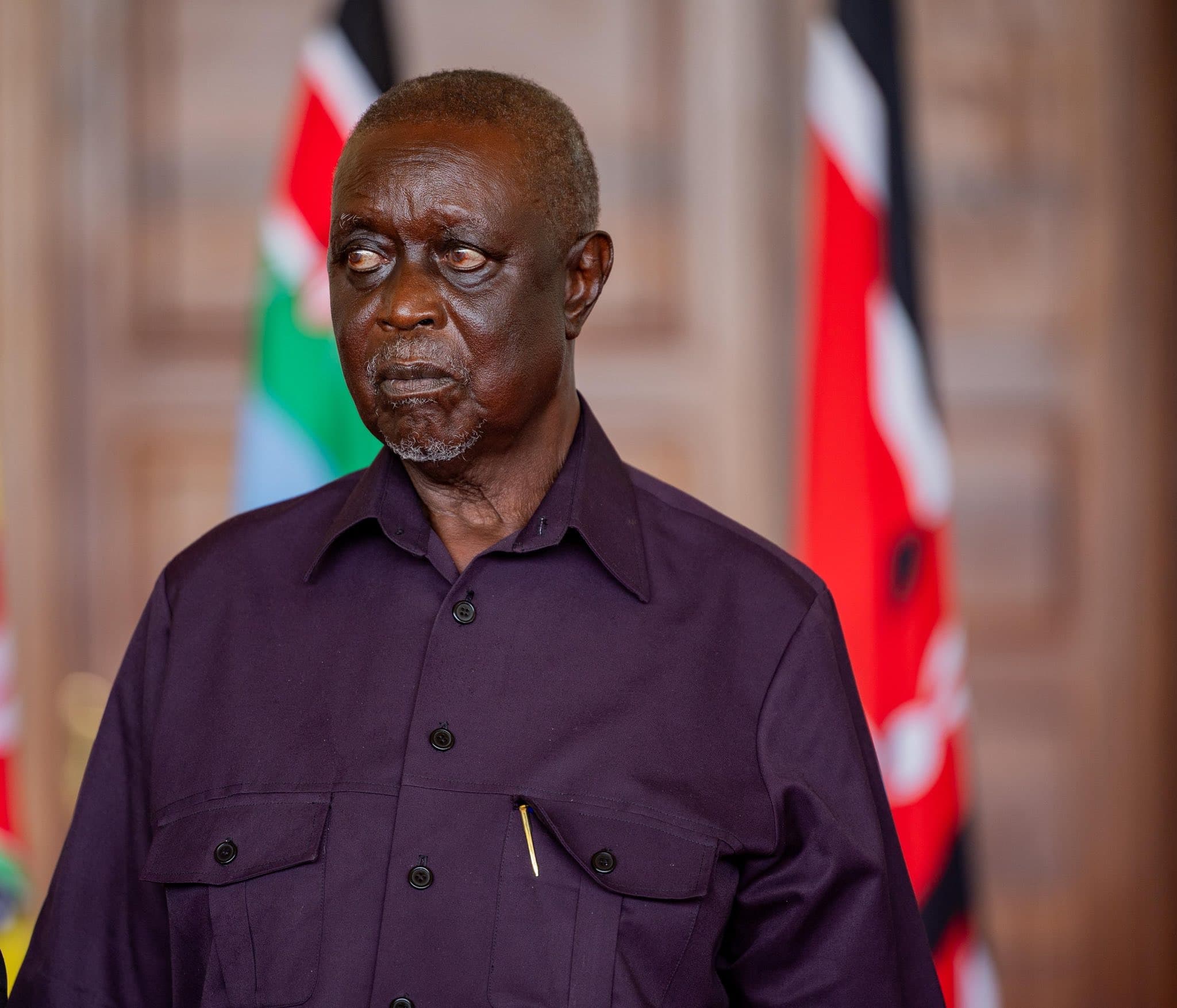
President William Ruto and veteran politician Dr. Oburu Oginga have issued a staunch defense of the current broad-based government, dismissing critics who suggest the UDA-ODM alliance is unsustainable.
Political alignments in Kenya are rarely static, but the current cooperation between President William Ruto’s United Democratic Alliance (UDA) and the Orange Democratic Movement (ODM) represents a departure from the traditional binary of governing versus opposition politics. As internal dissent mounts from various factions, the leadership has doubled down, framing the coalition as an essential partnership for national stability.
The "so what" of this development is profound: it signals a solidification of the current executive arrangement well ahead of the 2027 electoral cycle. By explicitly labeling the two parties as "equal partners," the President and Senator Oburu Oginga are attempting to silence speculation of an impending fallout, effectively insulating the Cabinet from the volatility of party-level infighting.
The rhetoric of "equal partnership" serves a strategic purpose. For the UDA administration, incorporating key figures from the ODM fold provides the legislative breathing room necessary to pass contentious bills and manage a difficult economic transition. For ODM, it offers a seat at the table, ensuring influence over policy and resource allocation that would otherwise be lost in the wilderness of opposition.
Critics, however, argue that this arrangement undermines the role of a vibrant opposition, which is traditionally necessary to hold the government to account. Despite this, the defense from figures like Senator Oburu Oginga—who holds significant sway within the ODM hierarchy—suggests that the coalition is operating on a pragmatic calculus: unity as a buffer against economic headwinds.
The alliance is not without its friction points. Within both UDA and ODM, grass-roots supporters and disgruntled MPs have raised concerns about being sidelined. The messaging from the leadership is designed to address this anxiety head-on.
Key takeaways from the current political realignment include:
As the administration looks toward the horizon, the pressure to deliver economic relief—such as stabilizing the cost of living and strengthening the Shilling against the US Dollar—remains the true test of this coalition. If the broad-based government can demonstrate tangible results, the rhetoric of partnership will likely hold. If economic conditions deteriorate, the current alliance may find itself under existential strain.
The defense by President Ruto and Senator Oburu Oginga serves as a rallying cry, but the stability of this union will ultimately be judged by the electorate in the coming year. For now, the message from the center is one of unity, forcing the political class to adjust to a new, albeit complex, era of coalition governance.
Keep the conversation in one place—threads here stay linked to the story and in the forums.
Sign in to start a discussion
Start a conversation about this story and keep it linked here.
Other hot threads
E-sports and Gaming Community in Kenya
Active 9 months ago
The Role of Technology in Modern Agriculture (AgriTech)
Active 9 months ago
Popular Recreational Activities Across Counties
Active 9 months ago
Investing in Youth Sports Development Programs
Active 9 months ago
Key figures and persons of interest featured in this article