We're loading the full news article for you. This includes the article content, images, author information, and related articles.
President William Ruto has reaffirmed the European Union's status as Kenya's premier export destination, highlighting the strategic importance of the Economic Partnership Agreement.
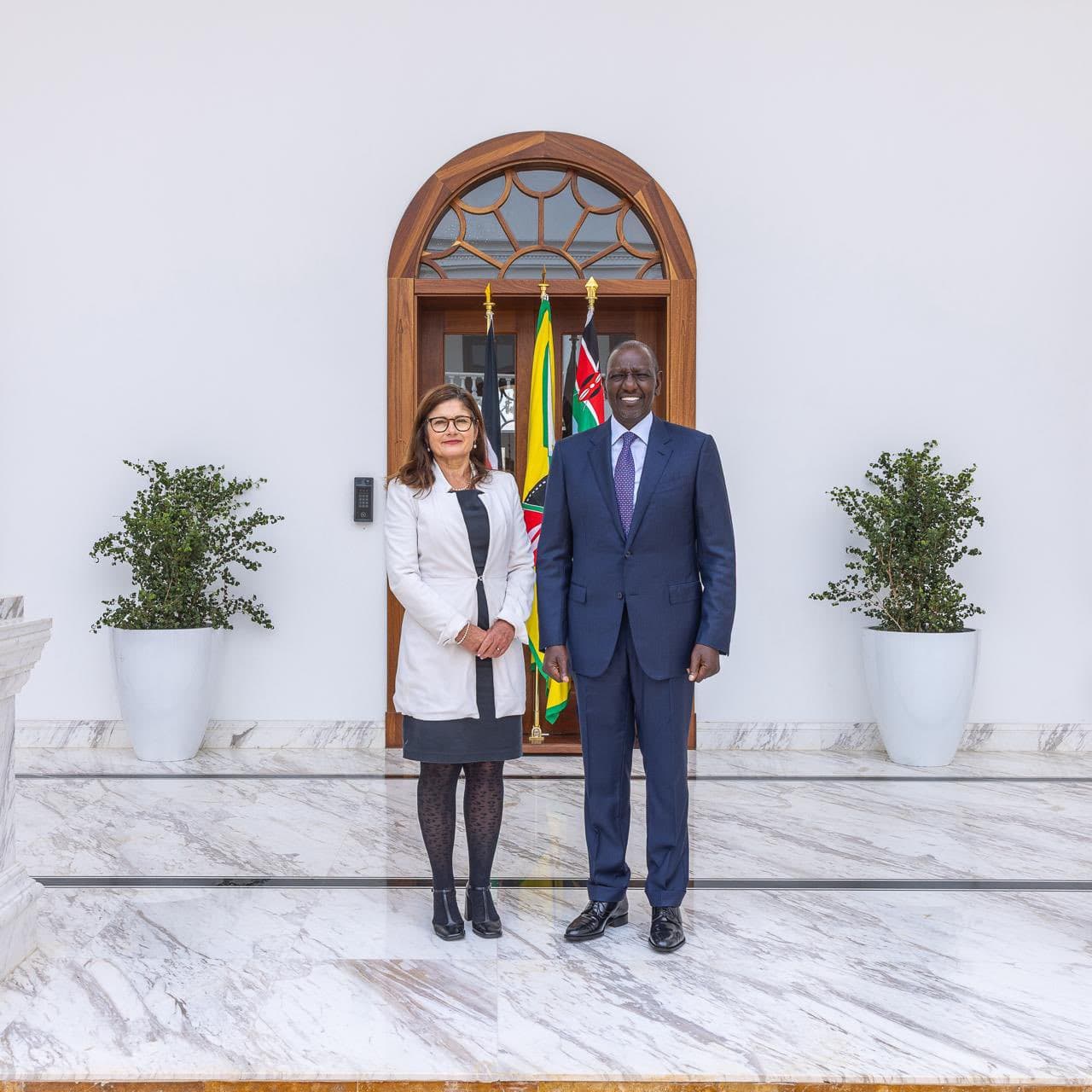
President William Ruto has reaffirmed the European Union's status as Kenya's premier export destination, highlighting the strategic importance of the Economic Partnership Agreement in boosting local agriculture and industry.
President William Ruto has emphatically declared the European Union as Kenya’s most vital export market. This affirmation underscores the government's aggressive push to secure favorable trade terms for local producers.
As global markets face unprecedented volatility, solidifying the EU-Kenya Economic Partnership Agreement (EPA) is critical. This pact guarantees duty-free, quota-free access for Kenyan goods, directly impacting the livelihoods of millions of farmers and industrial workers across the nation while stabilizing the country's macroeconomic outlook.
During high-level discussions with EU Ambassador to Kenya Henriette Geiger, President Ruto outlined a comprehensive blueprint to maximize the benefits of the EPA. The European Union currently absorbs a significant portion of Kenya's agricultural output, particularly in horticulture, tea, and coffee. Maintaining this trade corridor is essential for Kenya's foreign exchange reserves.
The dialogue focused on removing non-tariff barriers that have historically impeded smoother trade flows. By aligning Kenyan phytosanitary standards with stringent European requirements, the government aims to dramatically increase the volume and value of exported goods, transitioning from raw material exportation to value-added agro-processing.
The direct impact of these trade agreements on the grassroots economy cannot be overstated. Smallholder farmers, who form the backbone of Kenya's agricultural sector, are the primary beneficiaries of expanded European access. The government is implementing sweeping reforms to ensure these farmers receive fair compensation.
While the EU remains the anchor, President Ruto made it clear that Kenya’s economic strategy involves aggressive diversification. The goal is to leverage the high standards required by the EU to penetrate other lucrative markets, including North America and emerging Asian economies.
The administration is actively courting European foreign direct investment (FDI) to build local manufacturing capacity. This industrial pivot is designed to create millions of jobs for Kenya's youth, shifting the economic model from consumption-driven to export-oriented industrialization.
A crucial component of the ongoing EU-Kenya dialogue involves climate finance. As Europe enforces the Carbon Border Adjustment Mechanism (CBAM), Kenya is strategically positioning itself as a green manufacturing hub. The country's heavy reliance on renewable energy gives it a distinct competitive advantage.
Agreements struck during these meetings, held routinely at 11:00 AM East Africa Time (EAT), often dictate the pace of green investments flowing into Nairobi. By integrating environmental sustainability into trade policy, Kenya is future-proofing its economy against shifting global regulations.
"Our agricultural resilience is our greatest export; the European market is simply the stage where our farmers prove their unmatched quality."
Keep the conversation in one place—threads here stay linked to the story and in the forums.
Sign in to start a discussion
Start a conversation about this story and keep it linked here.
Other hot threads
E-sports and Gaming Community in Kenya
Active 9 months ago
The Role of Technology in Modern Agriculture (AgriTech)
Active 9 months ago
Popular Recreational Activities Across Counties
Active 9 months ago
Investing in Youth Sports Development Programs
Active 9 months ago