We're loading the full news article for you. This includes the article content, images, author information, and related articles.
Royal Mail is prioritizing parcels over letters, causing weeks-long delays for vital documents. For the Kenyan diaspora in the UK, this shift threatens the reliability of essential legal and personal communications.
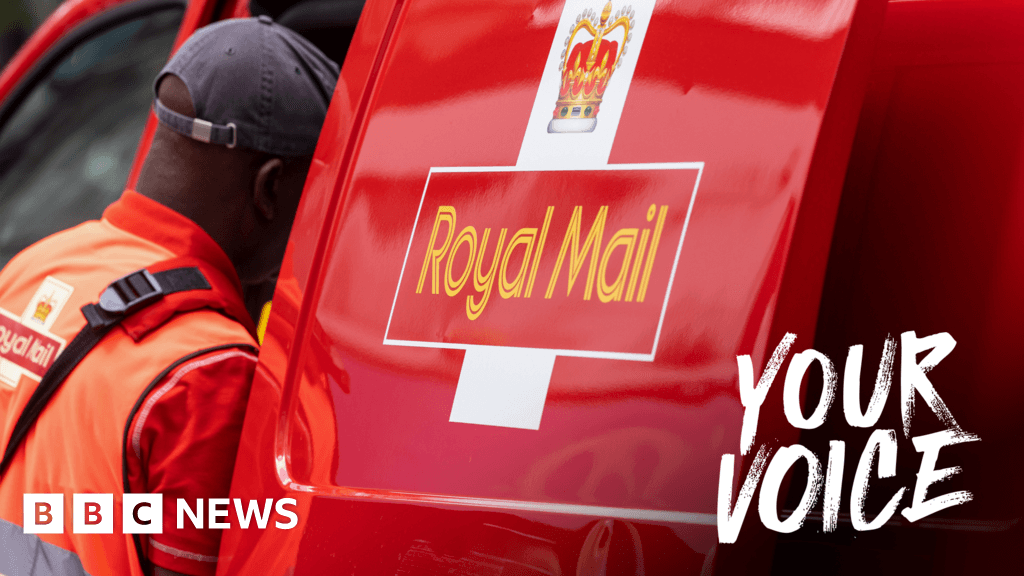
The crumbling reliability of the UK’s postal giant is no longer just a British domestic issue; for the thousands of Kenyans in the diaspora relying on the service for legal documents and connectivity, the “parcels over letters” prioritization is a brewing crisis.
The Royal Mail, a 500-year-old institution once synonymous with reliability, is reportedly teetering on the brink of functional collapse. Whistleblowers from within the organization have revealed a systematic prioritization of parcels over letters, leaving vital correspondence—including medical appointments, legal notices, and diaspora communications—gathering dust in depots for weeks. For the robust Kenyan community in the UK, this service degradation poses a unique and under-reported threat to cross-border connectivity.
At the heart of the scandal is a fundamental shift in operational logic. Facing stiff competition from agile couriers like DPD and Amazon, Royal Mail management has allegedly instructed staff to prioritize tracked parcels—which generate higher revenue—over the universal service obligation of delivering letters. The consequences are stark:
One postal worker, speaking anonymously to the BBC, described the situation as "soul-destroying," noting that the service is "stretched beyond capacity" with rounds being missed daily. The Communication Workers Union (CWU) has gone further, branding the organization "a company in crisis."
For East Africans living in the UK, the Royal Mail has long been the affordable bridge to home. While digital money transfer services have replaced the physical cheque, the post remains the primary channel for official government documentation, passport renewals, and legal paperwork. A delay in receiving a biometric residency permit or a renewed passport can have cascading effects on a Kenyan expat's ability to travel or work.
Furthermore, the breakdown in service disrupts the "social glue" of the diaspora. The tradition of sending physical items home, or receiving care packages, is being eroded by the unpredictability of the service. With the cost of private couriers like DHL often prohibitive for routine mail (costing upwards of £40 or KES 6,800 for a document), the reliance on the Royal Mail is not a choice but a necessity for many.
Royal Mail has issued standard denials, stating they "want to reassure customers that the vast majority of mail is delivered as planned." However, the sheer volume of complaints—from missing school certificates to delayed bank cards—suggests a structural rot rather than isolated incidents. As the UK grapples with this logistical breakdown, the lesson for Kenyan observers is clear: even legacy institutions are vulnerable when profit models shift away from public service obligations.
Keep the conversation in one place—threads here stay linked to the story and in the forums.
Sign in to start a discussion
Start a conversation about this story and keep it linked here.
Other hot threads
E-sports and Gaming Community in Kenya
Active 9 months ago
The Role of Technology in Modern Agriculture (AgriTech)
Active 9 months ago
Popular Recreational Activities Across Counties
Active 9 months ago
Investing in Youth Sports Development Programs
Active 9 months ago