We're loading the full news article for you. This includes the article content, images, author information, and related articles.
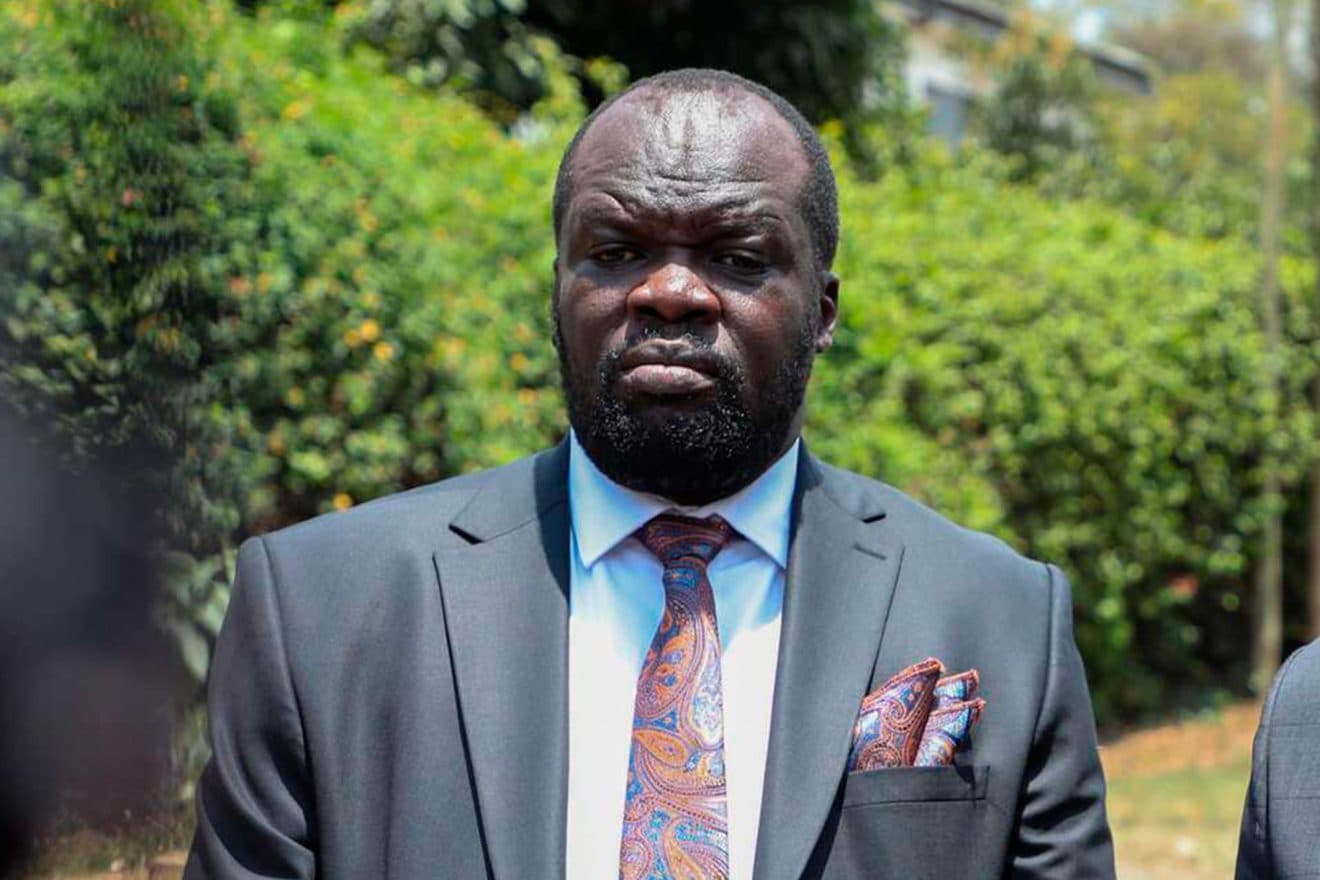
Kileleshwa MCA Robert Alai demands a fresh probe into 2007 election manipulation, reigniting national conversation on accountability and justice.

The shadows of Kenya’s 2007-2008 post-election violence—a period that permanently scarred the national consciousness—have been thrust back into the center of public discourse. Kileleshwa Member of County Assembly (MCA) Robert Alai has issued a polarizing call for the reopening of investigations into the 2007 General Election, citing what he describes as fresh, irrefutable evidence of systematic electoral manipulation captured on camera.
This demand, surfacing nearly two decades after the country was plunged into chaos, arrives at a moment of acute sensitivity for the Kenyan judiciary and the political establishment. While the International Criminal Court (ICC) eventually terminated its own proceedings regarding the violence that followed the 2007 poll, Alai’s intervention suggests that the appetite for truth—or perhaps political retribution—remains unquenched. The Kileleshwa MCA asserts that recent video documentation, purportedly featuring individuals intimately involved in the mechanics of the 2007 electoral process, provides the necessary catalyst to revisit a chapter that many in the political elite have long sought to close.
To understand the gravity of this call, one must look at the human cost of the 2007 crisis. The violence that erupted after the disputed presidential election was not merely a political failure it was a humanitarian catastrophe. According to historical data from the Waki Commission and various human rights organizations, the chaos resulted in:
For the survivors of the sexual and gender-based violence (SGBV) documented during this period, justice has been a phantom. As of early 2026, litigation efforts—such as those spearheaded by the Coalition on Violence Against Women (COVAW) and Physicians for Human Rights (PHR)—are still fighting for basic compensation in the Court of Appeal. These survivors have spent nearly eighteen years navigating a legal system that frequently defaults to delay and obfuscation, leaving them to bear the physical and psychological burdens of 2007 alone.
Legal experts remain skeptical about the viability of reopening criminal cases related to the 2007 election. The legal framework that governed the ICC’s involvement was premised on complementarity, where the Kenyan state failed to prosecute those bearing the greatest responsibility. Reopening these files domestically would require not just “on-camera confessions,” but a complete re-litigation of evidence that has, in many instances, been destroyed, tampered with, or lost to time.
Furthermore, Alai’s move is being viewed through a political lens by seasoned observers. With the 2027 election cycle looming, invoking the trauma of 2007 is a potent, if volatile, strategic instrument. By framing the current political landscape against the backdrop of historical rigging, the MCA is effectively challenging the legitimacy of established political giants who rose to prominence in the post-2007 era. Whether this is a sincere crusade for transparency or a calculated attempt to disrupt current political alliances remains the central question for the electorate.
The frustration expressed by Alai echoes a broader, simmering anger among the Kenyan public regarding the lack of accountability for historical injustices. Despite the promises of the 2010 Constitution to reform the electoral and judicial systems, the country continues to witness cycles of protest-related violence, police brutality, and institutional failure to protect citizens. The 2017, 2022, and subsequent protest years have only reinforced the perception that the state has not effectively reckoned with its violent history.
If the evidence cited by Alai is indeed substantive—and not merely the latest installment in the theater of Kenyan politics—it poses a dilemma for the Office of the Director of Public Prosecutions and the Directorate of Criminal Investigations. To ignore such claims is to invite accusations of complicity in maintaining impunity to act upon them is to potentially unleash a firestorm that could destabilize the current government’s delicate equilibrium.
The call to reopen the 2007 election case is more than a legal query it is a symptom of a society that has papered over its deepest wounds rather than healing them. True reconciliation requires more than the silence of the guns or the signing of power-sharing agreements. It requires the courage to confront the architecture of the violence, including the manipulation of the ballot that sparked it all.
Whether or not these specific claims lead to a courtroom, they remind a new generation of Kenyans that the past is never truly buried. Until the systemic failures of the electoral process are genuinely addressed—not just debated for political gain—the specter of 2007 will continue to haunt the nation, waiting for the next spark to ignite the unresolved grievances of the past.
Keep the conversation in one place—threads here stay linked to the story and in the forums.
Sign in to start a discussion
Start a conversation about this story and keep it linked here.
Other hot threads
E-sports and Gaming Community in Kenya
Active 10 months ago
Popular Recreational Activities Across Counties
Active 10 months ago
The Role of Technology in Modern Agriculture (AgriTech)
Active 10 months ago
Investing in Youth Sports Development Programs
Active 10 months ago
Key figures and persons of interest featured in this article