We're loading the full news article for you. This includes the article content, images, author information, and related articles.
With the 2027 general election approaching, the rise of early political vitriol and personality-based attacks threatens to destabilize Kenya’s economy.
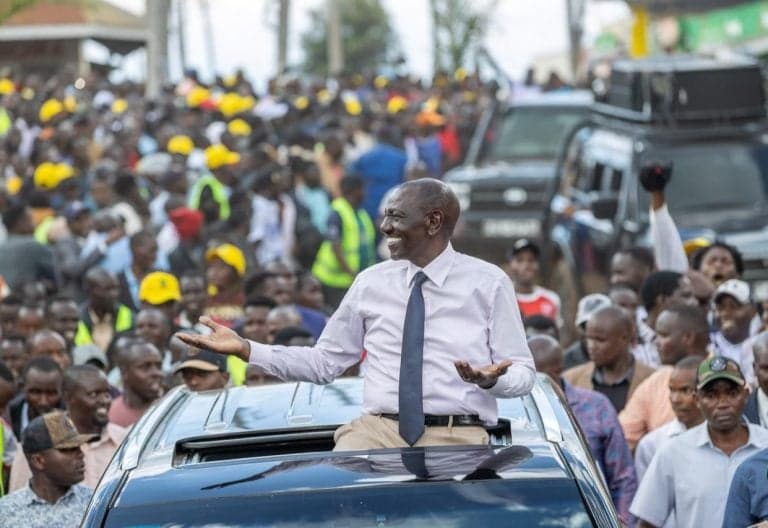
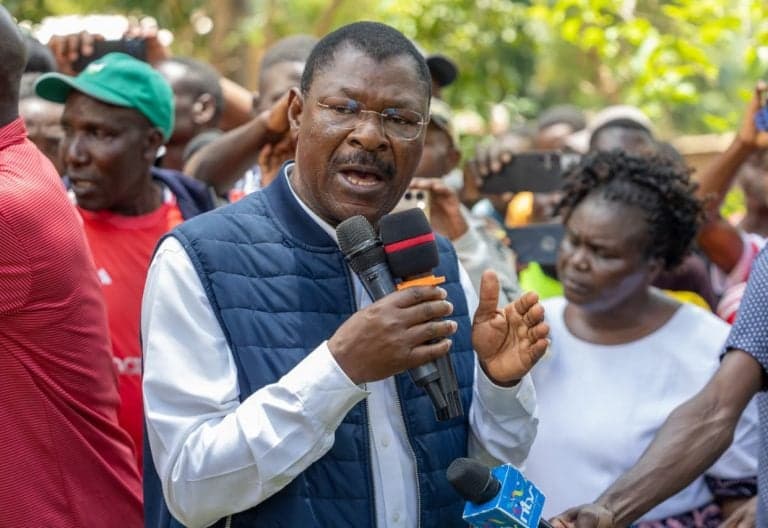
The cacophony of political insults has arrived in Kenya nearly two years ahead of the 2027 general election. As political heavyweights trade barbs across rallies and social media platforms, the substantive debate on economic recovery and policy reform remains conspicuously absent from the national discourse.
This premature escalation matters because the political climate dictates economic stability and social cohesion. With the next general election scheduled for August 2027, the early onset of mudslinging suggests a campaign cycle defined more by ethnic mobilization and character assassination than by ideological differentiation. For millions of Kenyans grappling with high inflation and unemployment, this return to confrontational politics signals a period of prolonged uncertainty that threatens to stifle investor confidence and deepen social fissures.
Political communication has undergone a radical transformation, moving from the podiums of town halls to the unfiltered arenas of digital platforms. The current trend prioritizes viral soundbites—often laced with inflammatory rhetoric—over comprehensive policy manifestos. Political analysts observing this early cycle note that the strategy is intentional, designed to energize core bases by manufacturing grievances rather than proposing solutions.
The shift is not merely stylistic it is structural. By focusing on personality-driven attacks, political actors minimize the public’s ability to hold them accountable for development records or governance failures. This creates an environment where voters are mobilized through fear and tribal loyalty rather than through an assessment of economic performance or service delivery effectiveness.
The National Cohesion and Integration Commission (NCIC) faces an monumental challenge in policing this early rhetoric. Legislative frameworks designed to curb hate speech often struggle to catch up with the speed of digital content, particularly as political operatives utilize pseudonymous accounts to disseminate vitriolic material. According to data monitored by civil society observers, the volume of inflammatory language in digital political spaces has increased by approximately 22 percent in the first quarter of 2026 compared to the same period in the previous cycle.
The NCIC has warned that unchecked rhetoric creates fertile ground for real-world conflict. History in the region has shown that the degradation of language is often a precursor to systemic instability. When political leaders normalize insults, they essentially lower the barrier for their supporters to engage in physical confrontation or harassment.
Beyond the social impact, there is a tangible economic cost to this early political theater. Investors, both domestic and international, operate on predictability. When the political landscape becomes volatile nearly two years out, capital tends to shift toward defensive positions. Economists at the University of Nairobi argue that the persistent focus on political posturing, rather than economic productivity, results in a "wait-and-see" approach from the private sector.
The impact is felt acutely by Small and Medium Enterprises (SMEs) in major urban centers. Business owners, wary of the potential for disruption or civil unrest, often curtail expansion plans, delay capital investments, or reduce inventory levels. This hesitancy creates a drag on GDP growth, which is particularly damaging in an economy currently striving to recover from external shocks and fluctuating commodity prices.
In Nairobi, small-scale traders express a sense of exhaustion with the cycle. Jane Wanjiku, a shopkeeper in the city’s central business district, notes that her customers are less concerned with who is insulting whom and more focused on the daily cost of basic commodities. She reflects a broader sentiment that the political elite are out of touch with the existential economic realities facing the average citizen.
This disconnect is not just a nuisance it is a profound failure of representative governance. When leaders spend their political capital on character attacks rather than addressing the high cost of energy or the lack of credit access for entrepreneurs, they exacerbate the cynicism that has increasingly come to define the relationship between the governed and the government in Kenya.
As the country edges closer to 2027, the question remains whether the Kenyan electorate will demand a pivot toward substance. The responsibility lies not only with the politicians to elevate their rhetoric but also with the civil society, media, and citizens to refuse the bait of inflammatory politics. If the trend continues unchecked, the 2027 election may be remembered not for the progress it delivered, but for the damage it inflicted on the nation’s fragile democratic fabric.
Keep the conversation in one place—threads here stay linked to the story and in the forums.
Sign in to start a discussion
Start a conversation about this story and keep it linked here.
Other hot threads
E-sports and Gaming Community in Kenya
Active 10 months ago
The Role of Technology in Modern Agriculture (AgriTech)
Active 10 months ago
Popular Recreational Activities Across Counties
Active 10 months ago
Investing in Youth Sports Development Programs
Active 10 months ago