We're loading the full news article for you. This includes the article content, images, author information, and related articles.
The Alliance Fleuve Congo (AFC), a coalition including M23 rebels, has begun withdrawing from the strategic city of Uvira, a move prompted by direct pressure from the United States and aimed at salvaging a fragile regional peace process
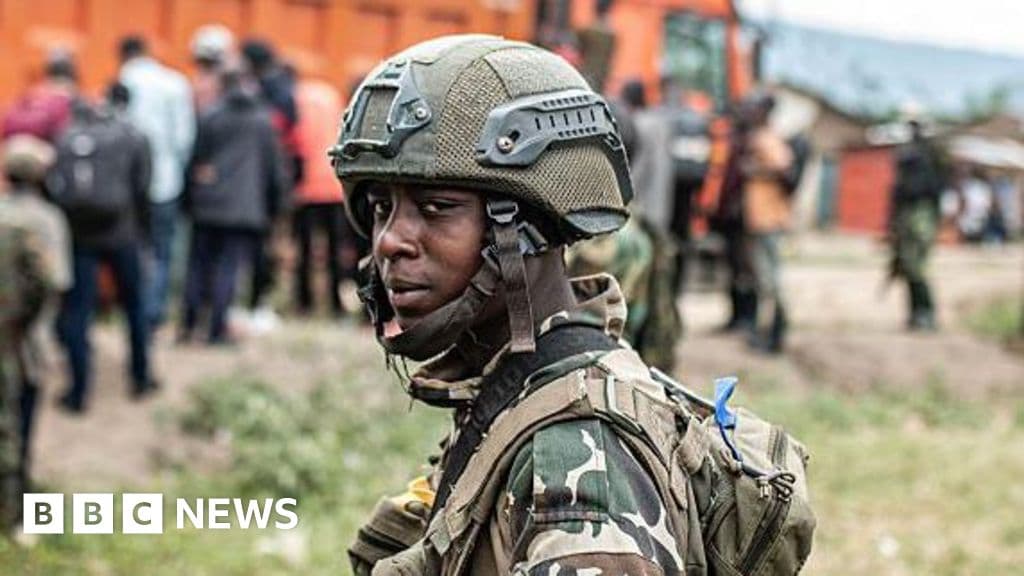
In a significant de-escalation of the escalating conflict in the eastern Democratic Republic of Congo, rebel forces have agreed to pull out of the strategic port city of Uvira. The withdrawal, confirmed by rebel leader Corneille Nangaa, follows intense diplomatic pressure from the United States, which warned that the city's capture violated a recent peace accord.
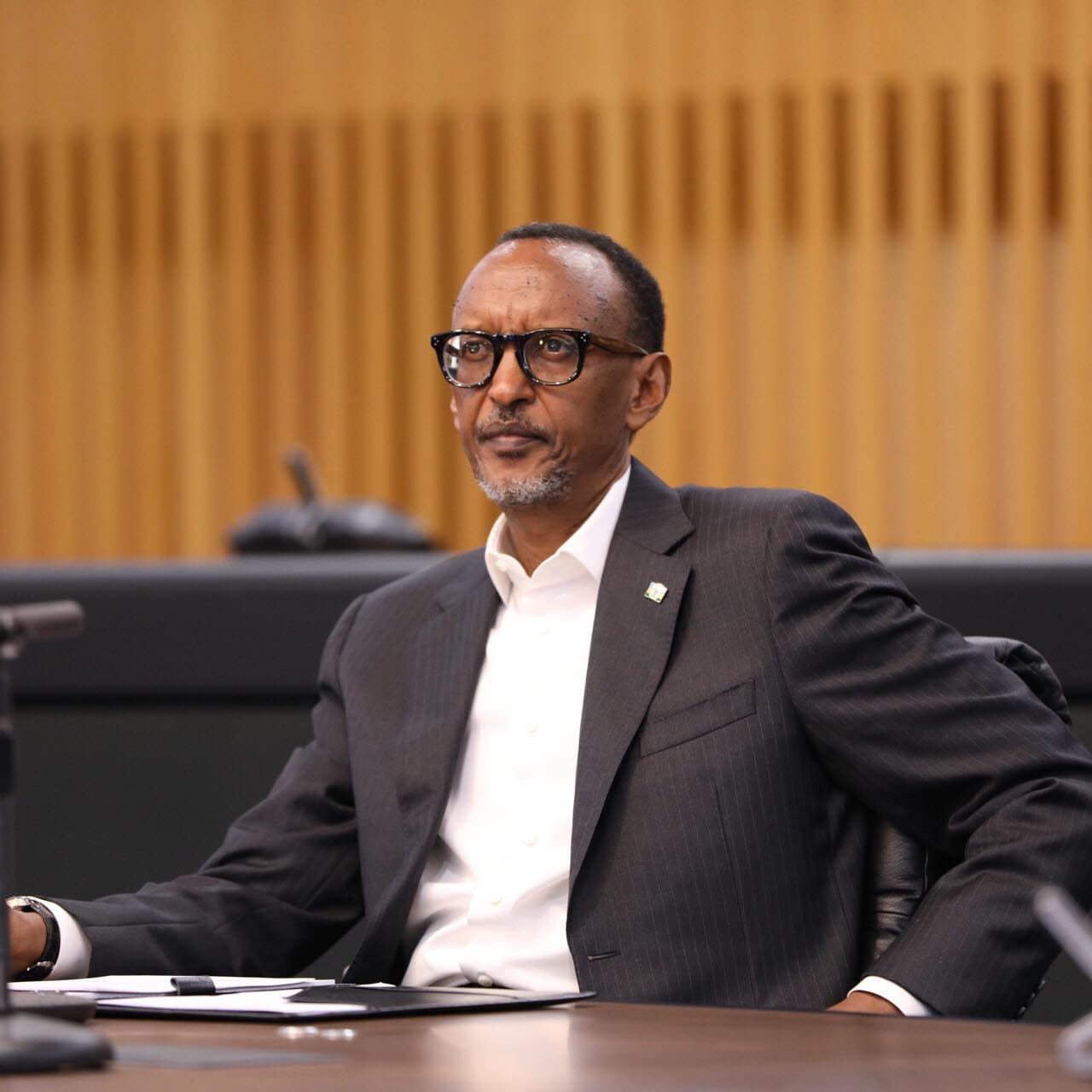
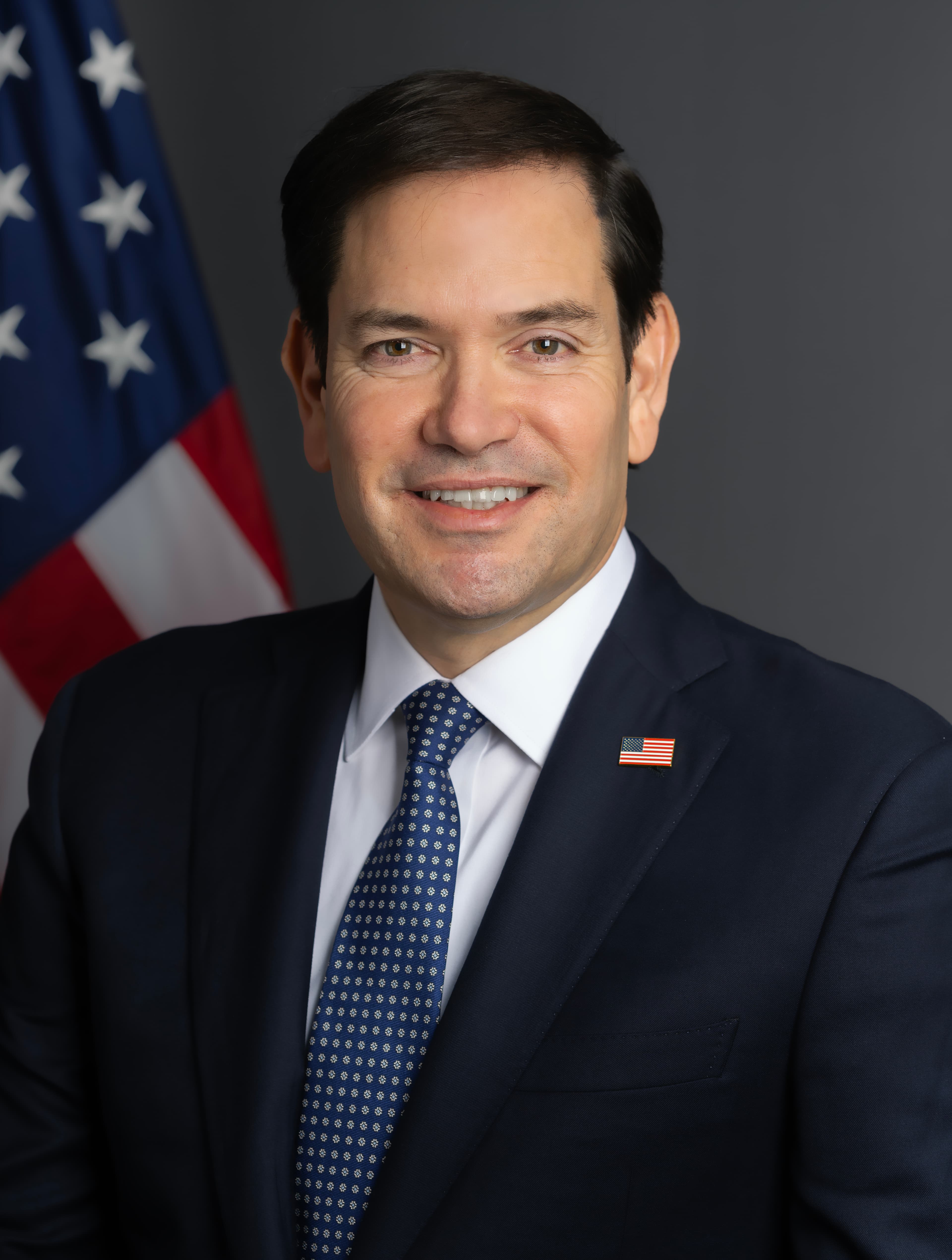
This development is a crucial test for the Washington-brokered peace deal signed on December 4 between DRC President Felix Tshisekedi and his Rwandan counterpart, Paul Kagame. The capture of Uvira by the AFC—a coalition that includes the potent M23 group—had threatened to completely unravel the agreement, prompting a stern rebuke from U.S. Secretary of State Marco Rubio and accusations that Rwanda was backing the rebels.
The withdrawal is being framed by the AFC as a “unilateral trust-building measure” to give the parallel Doha peace process a chance to succeed. However, the situation remains tense. The rebels have expressed concerns that Congolese army forces (FARDC) might exploit the pull-out to retake territory and target civilian populations perceived as sympathetic to the alliance.
The conflict's recent flare-up has already had severe consequences for the region:
For Nairobi, the instability in its fellow East African Community (EAC) member state is more than a distant headline. The DRC represents a vital and growing market for Kenyan businesses, particularly in the banking and manufacturing sectors. The conflict jeopardises not only current trade but also the long-term vision of a stable and integrated economic bloc stretching from the Indian Ocean to the Atlantic.
The U.S.-mediated peace accord, officially the "Washington Accords for Peace and Prosperity," is intrinsically linked to securing access to the DRC's vast reserves of critical minerals for American companies. Continued fighting directly threatens this economic framework, which underpins the diplomatic efforts.
While the rebels' withdrawal from Uvira offers a glimmer of hope, analysts remain cautious. The success of this de-escalation hinges on the deployment of a neutral monitoring force and the genuine commitment of all parties to the Doha and Washington peace tracks. As one analyst noted, the true test will be achieving lasting peace on the ground, not just agreements signed abroad. The path to stability in eastern DRC, and by extension the economic security of the wider region, remains fraught with uncertainty.
Keep the conversation in one place—threads here stay linked to the story and in the forums.
Sign in to start a discussion
Start a conversation about this story and keep it linked here.
Other hot threads
E-sports and Gaming Community in Kenya
Active 10 months ago
The Role of Technology in Modern Agriculture (AgriTech)
Active 10 months ago
Popular Recreational Activities Across Counties
Active 10 months ago
Investing in Youth Sports Development Programs
Active 10 months ago
Key figures and persons of interest featured in this article