We're loading the full news article for you. This includes the article content, images, author information, and related articles.
South African President Cyril Ramaphosa forcefully condemns international law violations in the Middle East, echoing concerns across Africa regarding the economic and geopolitical fallout of the escalating conflict.

As the Middle East teeters dangerously on the brink of a broader regional war, South Africa has stepped forward onto the global stage with a stark warning and a desperate plea for diplomatic intervention. The escalating violence has prompted urgent reactions from leaders worldwide, with African heads of state voicing their profound concerns.
The recent military strikes involving the United States, Israel, and Iran are not merely isolated geopolitical events playing out in a distant desert; they are seismic shocks that threaten global stability and send direct, punishing economic tremors across the African continent. From fluctuating fuel prices in Nairobi to the rising cost of living in Johannesburg, the ripple effects of this conflict are already being felt by ordinary citizens.
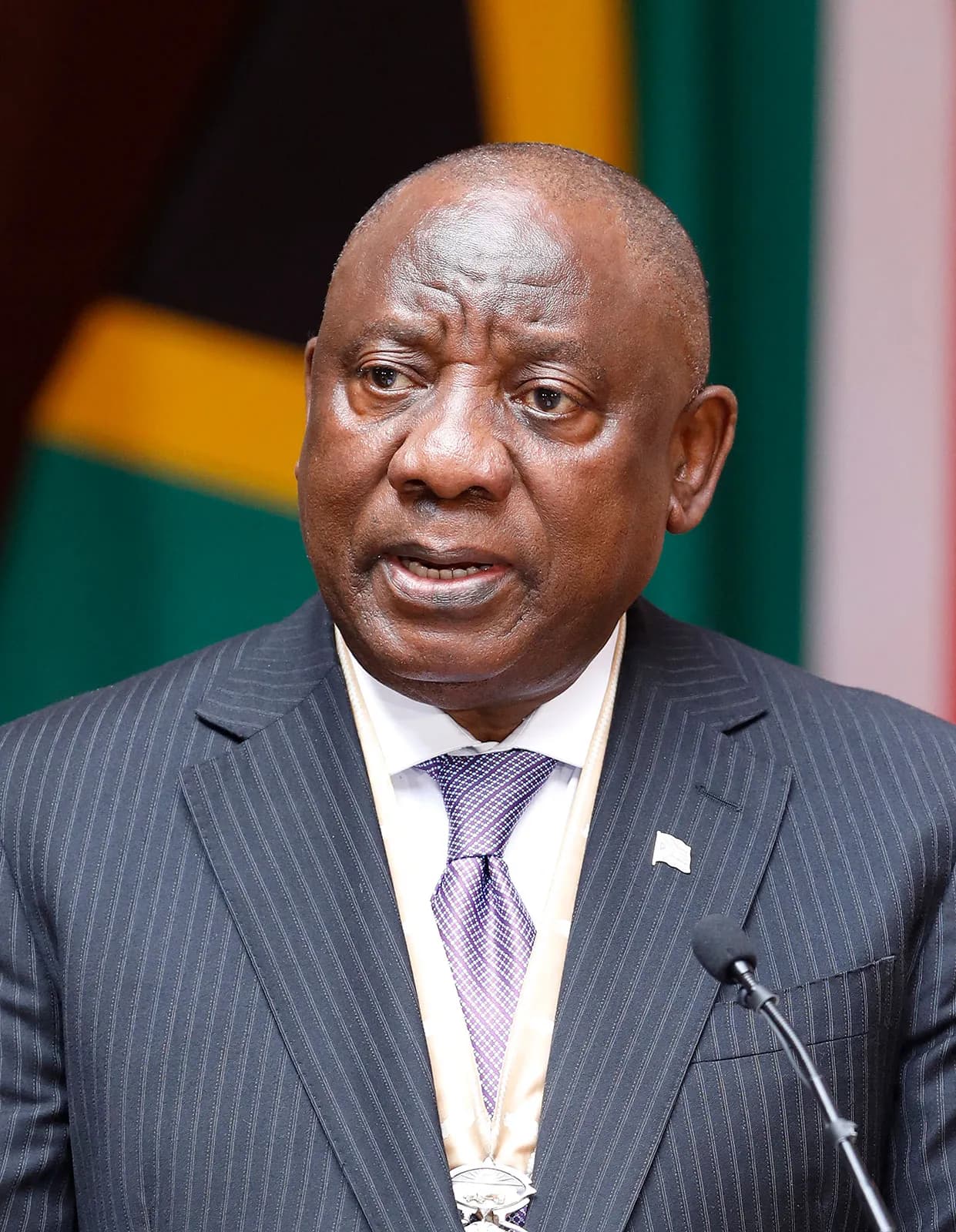
In a strongly worded press release, President Cyril Ramaphosa and the Government of the Republic of South Africa expressed deep concern regarding the rapid escalation of tensions in the Middle East. President Ramaphosa warned that these developments pose an existential threat to regional and international peace and security, carrying with them far-reaching humanitarian, diplomatic, and economic consequences.
Calling on all involved parties to exercise maximum restraint, the South African leader emphasized the absolute necessity of acting in a manner consistent with international law, international humanitarian law, and the foundational principles of the United Nations Charter. He pointedly condemned the violation of these global norms, which have been established to prevent the very chaos now unfolding.
Drawing on South Africa's own painful yet triumphant history, President Ramaphosa highlighted the futility of armed conflict. He reiterated that experience has repeatedly demonstrated that there can be no military solution to fundamentally political problems—problems that can, and absolutely should, be resolved at the negotiating table.
Military confrontation, he noted, has never delivered sustainable peace, nor has it ever successfully addressed the deep-seated, legitimate grievances that underlie such explosive conflicts. Long-term peace and stability can only be achieved through inclusive dialogue and a genuine, unwavering commitment to justice and coexistence. South Africa, a nation that successfully emerged from the dark days of apartheid and conflict through painful dialogue and reconciliation, remains steadfast in its belief that peace is imperative for the shared future of humanity.
For East Africa and the broader continent, the Middle Eastern crisis is an immediate domestic concern. When Tehran or Tel Aviv burns, Africa pays the price. The global reliance on Middle Eastern oil means that any disruption to supply chains or escalation of hostilities immediately threatens to spike fuel prices. For a country like Kenya, which is already grappling with the high cost of living, a surge in global crude prices translates to more expensive transport, higher food costs, and increased inflation.
Furthermore, the geopolitical balancing act becomes increasingly treacherous for African nations. The continent is heavily reliant on foreign direct investment, trade agreements, and development aid from both Western powers and Middle Eastern states. Being forced to navigate the diplomatic fallout of a widening war places undue strain on African economies that are still recovering from recent global shocks.
South Africa is not alone in its condemnation. Echoing Ramaphosa's sentiments, Kenyan President William Ruto has also strongly condemned the recent strikes on several Middle Eastern nations, including the UAE, Qatar, and Saudi Arabia. President Ruto warned that the regionalisation of the conflict poses a grave, immediate threat to international peace.
The Kenyan government's call for de-escalation underscores a unified African perspective: the global south cannot afford another massive conflict. As diplomatic channels strain under the weight of incoming missiles, the African Union and its member states are increasingly raising their voices to demand a ceasefire.
In a world tightly interconnected by fragile trade networks and complex alliances, the flames of the Middle East cast a long, chilling shadow over Africa, demanding that global powers finally prioritize the pen over the sword.
Keep the conversation in one place—threads here stay linked to the story and in the forums.
Sign in to start a discussion
Start a conversation about this story and keep it linked here.
Other hot threads
E-sports and Gaming Community in Kenya
Active 9 months ago
The Role of Technology in Modern Agriculture (AgriTech)
Active 9 months ago
Popular Recreational Activities Across Counties
Active 9 months ago
Investing in Youth Sports Development Programs
Active 9 months ago
Key figures and persons of interest featured in this article