We're loading the full news article for you. This includes the article content, images, author information, and related articles.
Former Chief Agent Saitabao Kanchory claims the 'Broad-Based Government' was never a coalition, but a calculated setup with a March 2026 expiry date designed to expose Kenya Kwanza’s failures.

It was not a handshake; it was a handcuffs deal. According to Saitabao Ole Kanchory, the former Chief Agent to the late Raila Odinga, the ODM leader’s decision to allow his top lieutenants into President William Ruto’s cabinet was not a capitulation, but a strategic Trojan Horse designed to ensure the Kenya Kwanza administration collapses before the 2027 polls.
Speaking on Spice FM this morning, Kanchory dropped a bombshell that redefines the political landscape: the celebrated "10-Point Agenda" signed at KICC on March 7, 2025, was allegedly a ticking time bomb. With the deadline for implementation set for March 2026, Kanchory asserts that Ruto walked into a trap where failure is the only mathematical probability.
Kanchory’s revelation challenges the prevailing narrative that the opposition died when ODM heavyweights—John Mbadi, Opiyo Wandayi, Hassan Joho, and Wycliffe Oparanya—joined the cabinet. He insists these leaders were merely "donated experts," sent not to merge parties, but to execute a specific, time-bound mandate.
"I have heard people say that Raila left us in government; he did not," Kanchory emphasized. "Raila left Mbadi, Wandayi, Joho, and Oparanya in government. He never asked his supporters to back Ruto."
The distinction is critical for the millions of ODM supporters who have felt adrift. According to Kanchory, the base was deliberately kept separate from the government to preserve the opposition's voting bloc for 2027, while the "experts" managed the technicalities of the 10-point demands.
The crux of the alleged strategy lies in the timeline. Kanchory revealed that the 10-point agenda came with a strict deadline: March 2026. This date is strategically placed one year before the next general election.
"Raila strategically gave Ruto until March 2026 to implement the agenda, knowing the tasks would require more than a year to complete," Kanchory noted, suggesting the late premier used his decades of political experience to set an impossible test.
In a somber reflection on the late opposition chief, Kanchory cited what he termed Raila’s "last words" on the matter: "Who told you that ODM will not have a candidate?"
This rhetorical question serves as a haunting reminder of Odinga’s tactical ambiguity. By keeping the party machinery distinct from the government cooperation deal, the opposition has theoretically preserved its capacity to field a formidable candidate in 2027—whether that is a successor endorsed by the party or a revitalized movement born from the collapse of the current deal.
For the common mwananchi, this political chess game has real-world consequences. The uncertainty surrounding the stability of the "Broad-Based Government" could spook investors, affecting the shilling which currently trades at volatile levels against the dollar. Furthermore, if the ODM ministers exit en masse in early 2026, it could trigger a cabinet reshuffle and policy paralysis just as the economy struggles to recover.
As the clock ticks toward March 2026, President Ruto faces a precarious choice: accelerate the impossible implementation of the 10-point agenda or prepare for a rejuvenated opposition that has been waiting on the sidelines, watching him fail.
Keep the conversation in one place—threads here stay linked to the story and in the forums.
Sign in to start a discussion
Start a conversation about this story and keep it linked here.
Other hot threads
E-sports and Gaming Community in Kenya
Active 9 months ago
The Role of Technology in Modern Agriculture (AgriTech)
Active 9 months ago
Popular Recreational Activities Across Counties
Active 9 months ago
Investing in Youth Sports Development Programs
Active 9 months ago
Key figures and persons of interest featured in this article
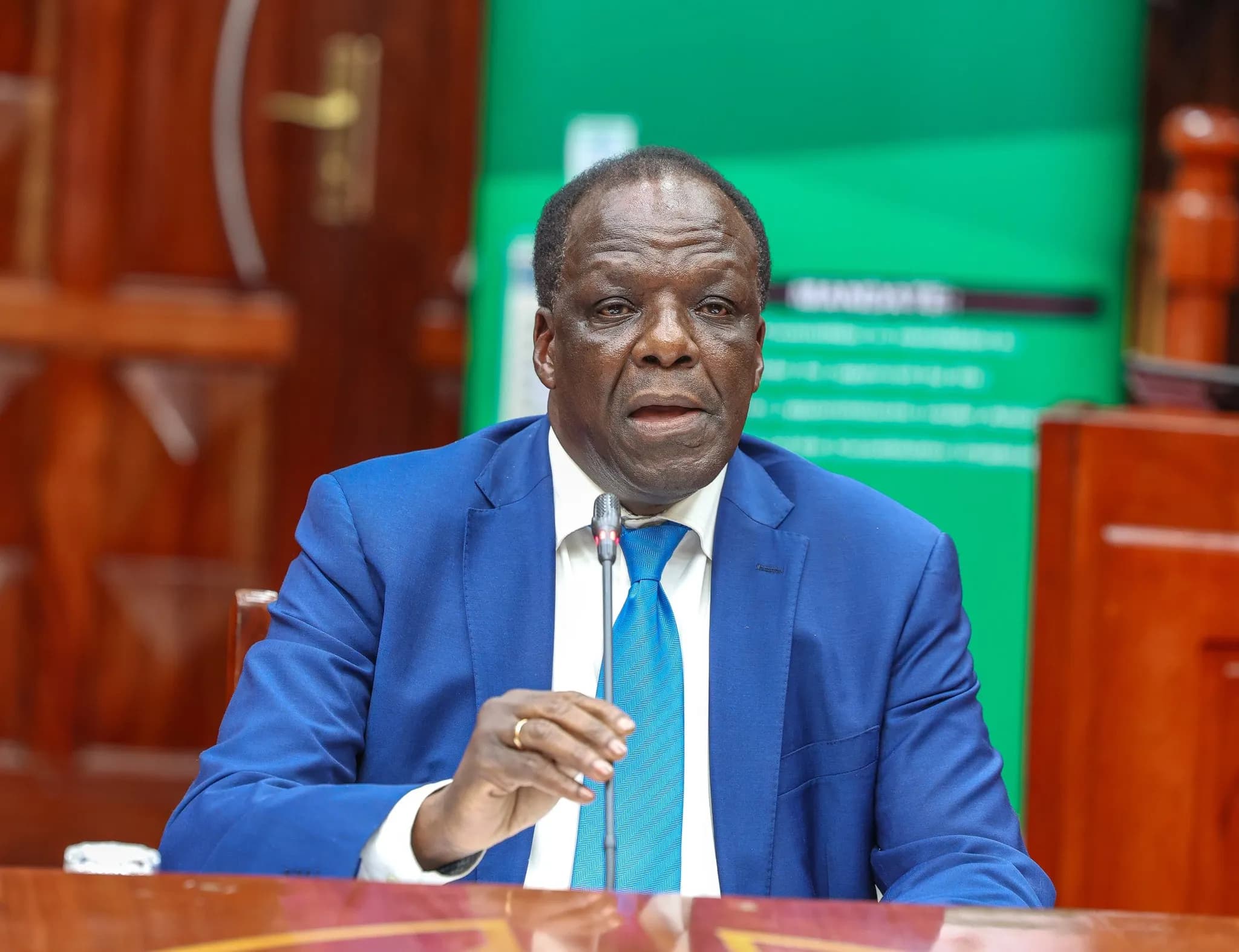
Cabinet Secretary for Cooperatives and MSME Development
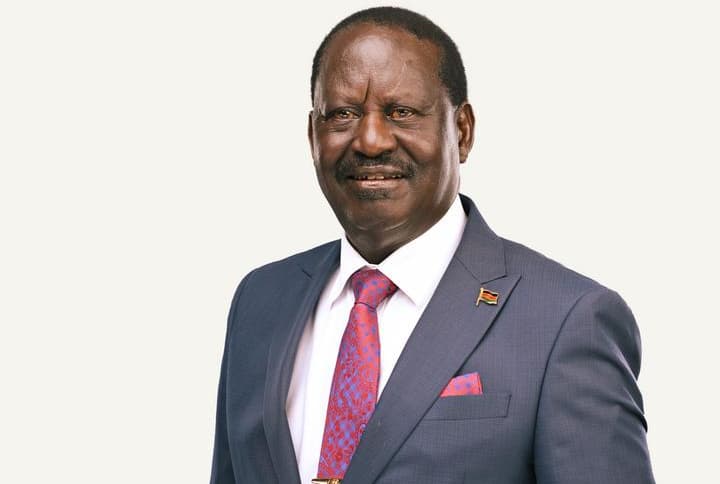
Leader of the Opposition
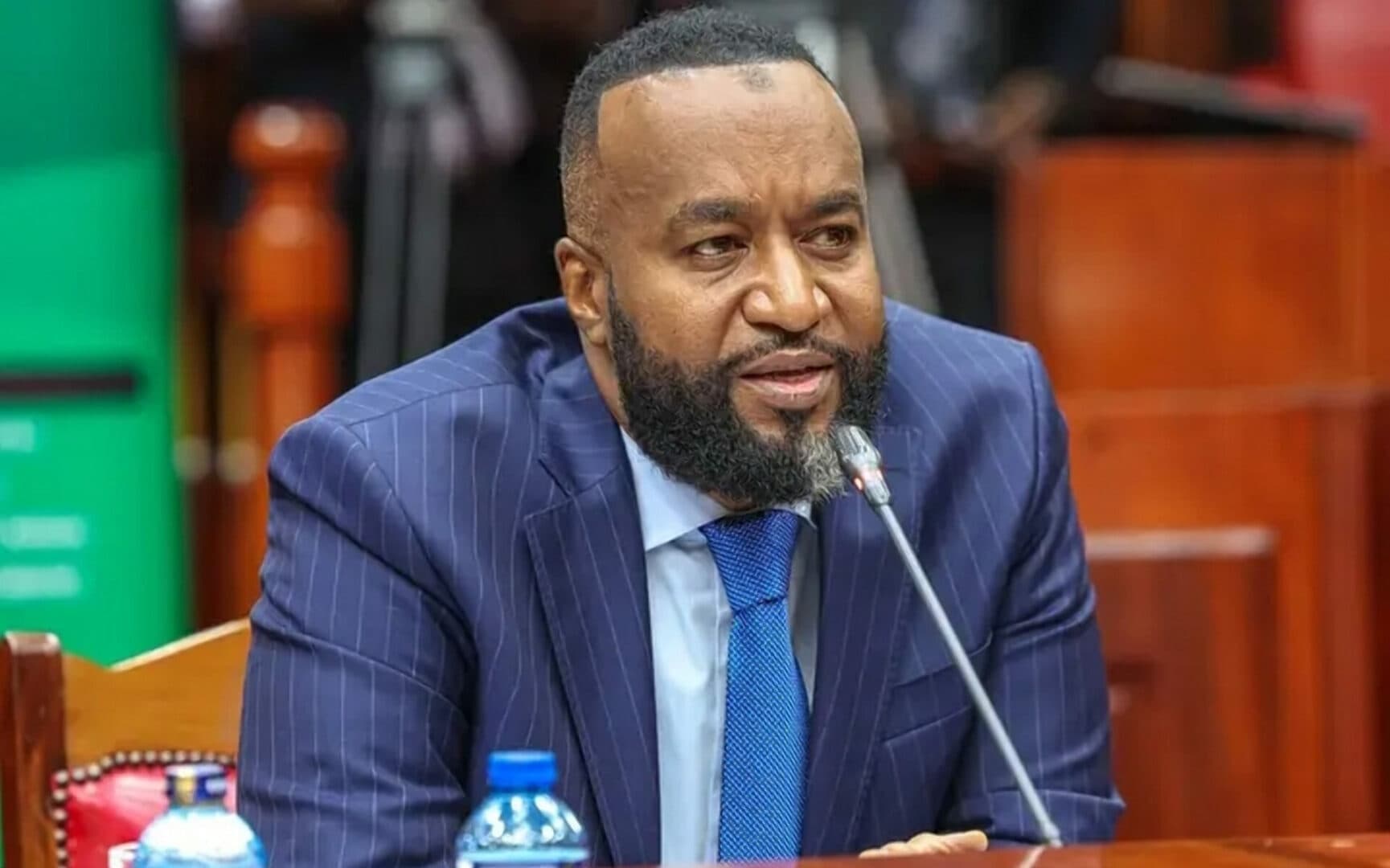
Cabinet Secretary for Mining, Blue Economy and Maritime Affairs
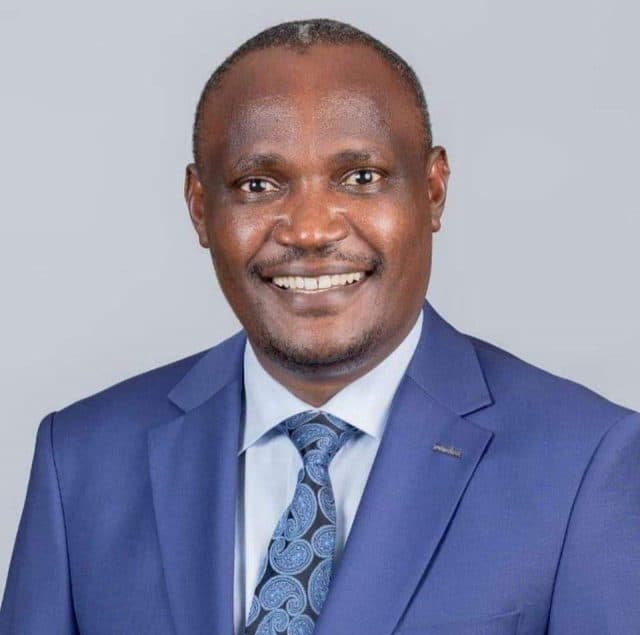
Cabinet Secretary for National Treasury and Economic Planning



