We're loading the full news article for you. This includes the article content, images, author information, and related articles.
A proposal for chemical castration of rapists sparks a fierce debate among Great Lakes lawmakers, pitting public safety demands against human rights concerns.
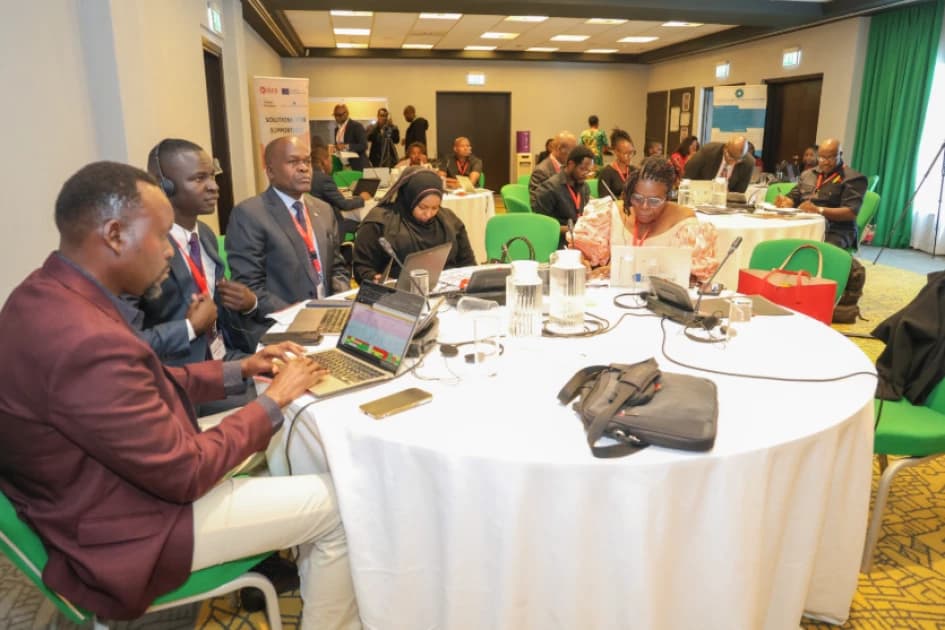
A fierce moral and legal storm has erupted among Great Lakes leaders over the proposed introduction of chemical castration for sex offenders.
What began as a regional parliamentary meeting in Nairobi to discuss child protection has spiraled into a heated ideological battle. The proposal, contained in a Kenyan Gender-Based Violence (GBV) taskforce report, has exposed a deep fracture in the region’s conscience: can the state violate the physical integrity of a perpetrator to protect the innocence of a child?
The controversy centers on a recommendation by the taskforce led by former Deputy Chief Justice Nancy Baraza. The proposal suggests chemical castration—the administration of drugs to suppress male sex hormones—as a penalty for convicted rapists. For proponents, this is a necessary escalation in a war against a sexual violence epidemic that current laws have failed to curb. For opponents, it is a return to draconian state violence disguised as justice.
Dr. Katakwe Alex, a Zambian MP, led the charge against the measure. "You cannot claim to protect life while endorsing a punishment that permanently damages the body," he argued, citing medical evidence of long-term risks like osteoporosis and cardiovascular disease. His stance was unexpectedly supported by Kenya’s own Nominated MP Suleka Harun, who labeled the proposal "frivolous" and lacking in human sensitivity. This cross-border alliance of skeptics suggests that the measure faces a steep uphill battle to become law.
Civil society groups at the forum were less interested in the ethics of castration and more focused on the failure of current systems. They blasted the leaders for "weak legislative frameworks" that have turned the region into a playground for predators. The castration debate, they argued, is a distraction from the lack of basic enforcement, victim support, and preventative education. While the politicians debate the biology of punishment, the reality of violence continues unabated.
As the delegates depart Nairobi, the consensus is fractured. The region is united in its diagnosis of the problem but hopelessly divided on the cure. The question remains: will the Great Lakes nations find a unified strategy to protect their children, or will they remain paralyzed by philosophical debates while the crisis deepens?
Keep the conversation in one place—threads here stay linked to the story and in the forums.
Sign in to start a discussion
Start a conversation about this story and keep it linked here.
Other hot threads
E-sports and Gaming Community in Kenya
Active 9 months ago
The Role of Technology in Modern Agriculture (AgriTech)
Active 9 months ago
Popular Recreational Activities Across Counties
Active 9 months ago
Investing in Youth Sports Development Programs
Active 9 months ago